Botanicals & Herbs
Botanical ingredients come from roots, leaves, seeds, and flowers. Some, like ashwagandha and turmeric, are staple supplements in the US market; others appear in skincare as extracts and oils. Browse 93 entries in this category.
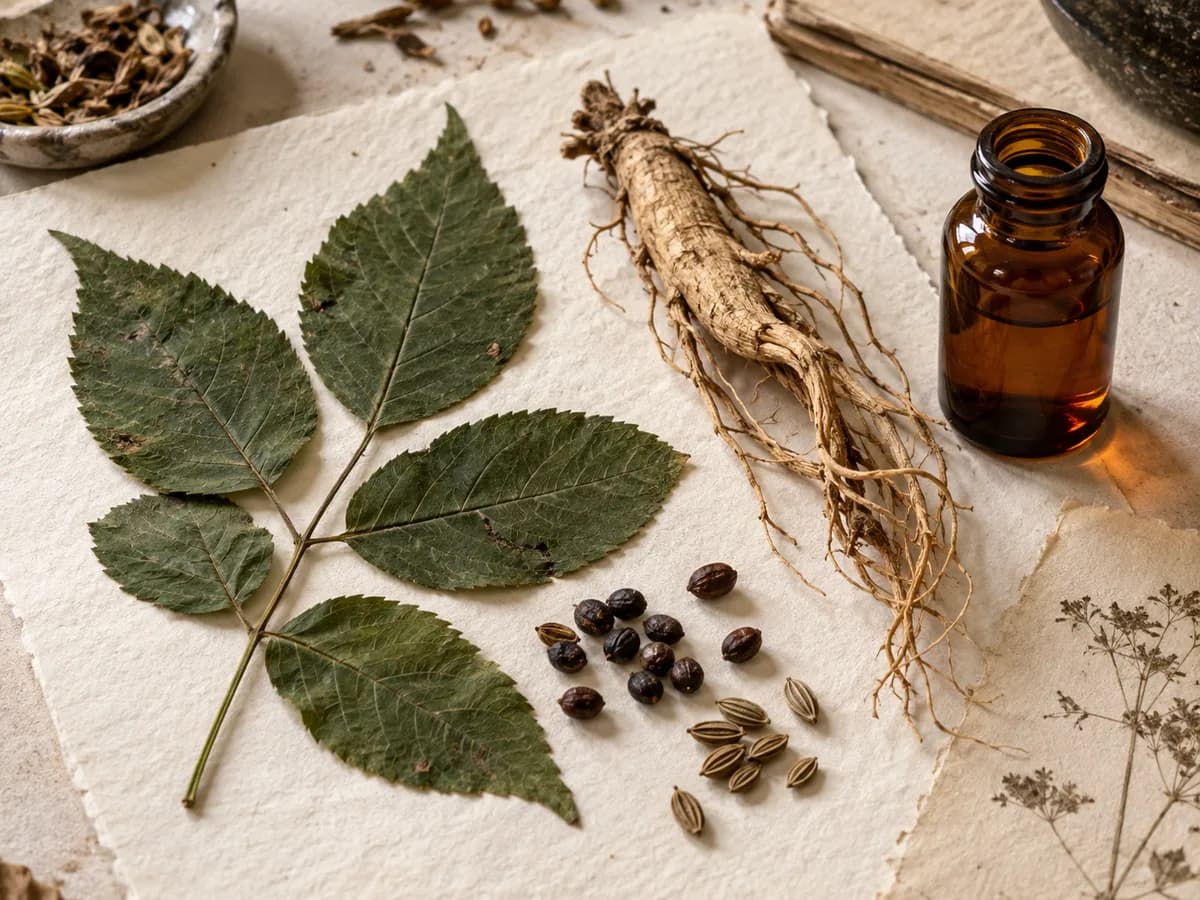
Illustrated guides
Selected entries interpreted through varied editorial art and photography.
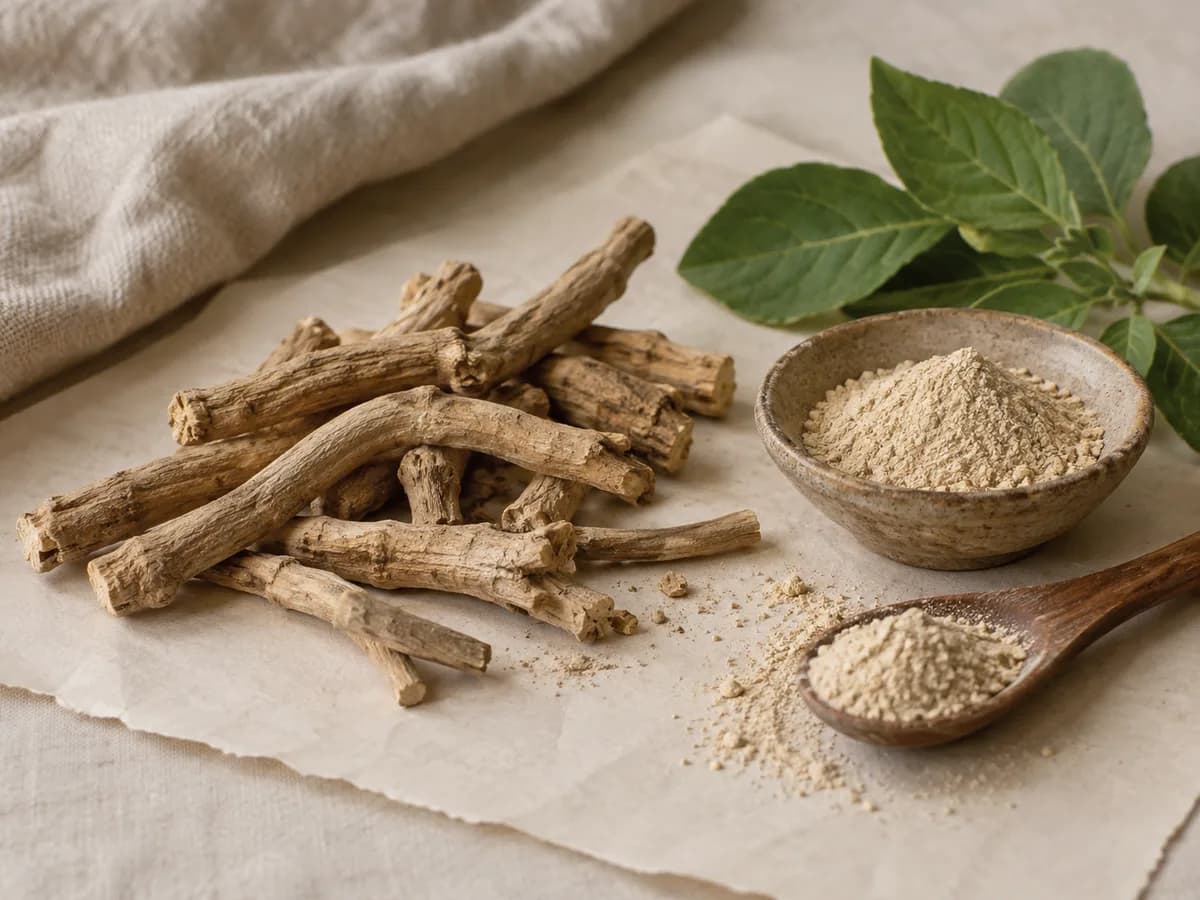
Ashwagandha
An adaptogenic herb from Ayurvedic medicine, best known for reducing stress and supporting sleep.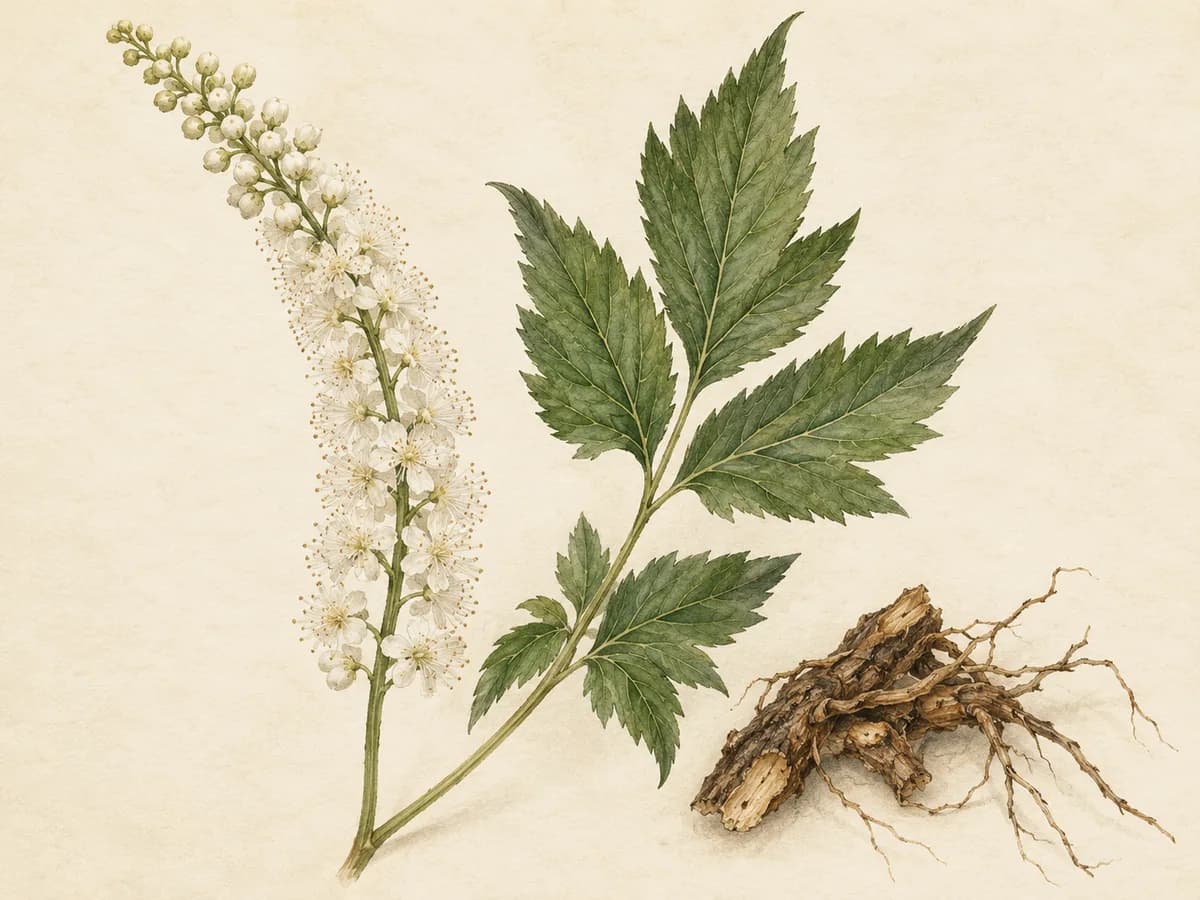
Black Cohosh
A menopause-oriented botanical with conflicting extract evidence and unresolved liver-safety concerns.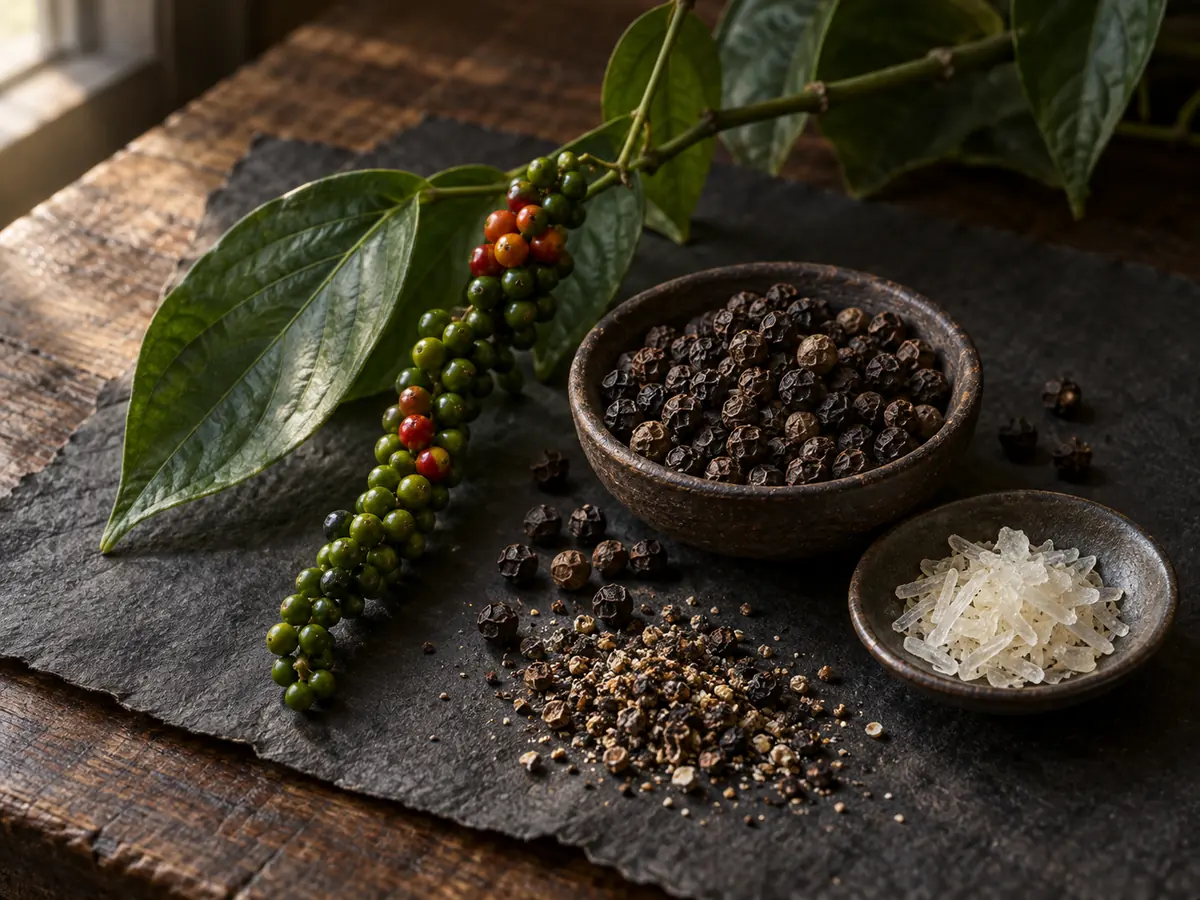
Black Pepper (Piperine)
A spice and concentrated alkaloid extract best known for changing the absorption and metabolism of other compounds.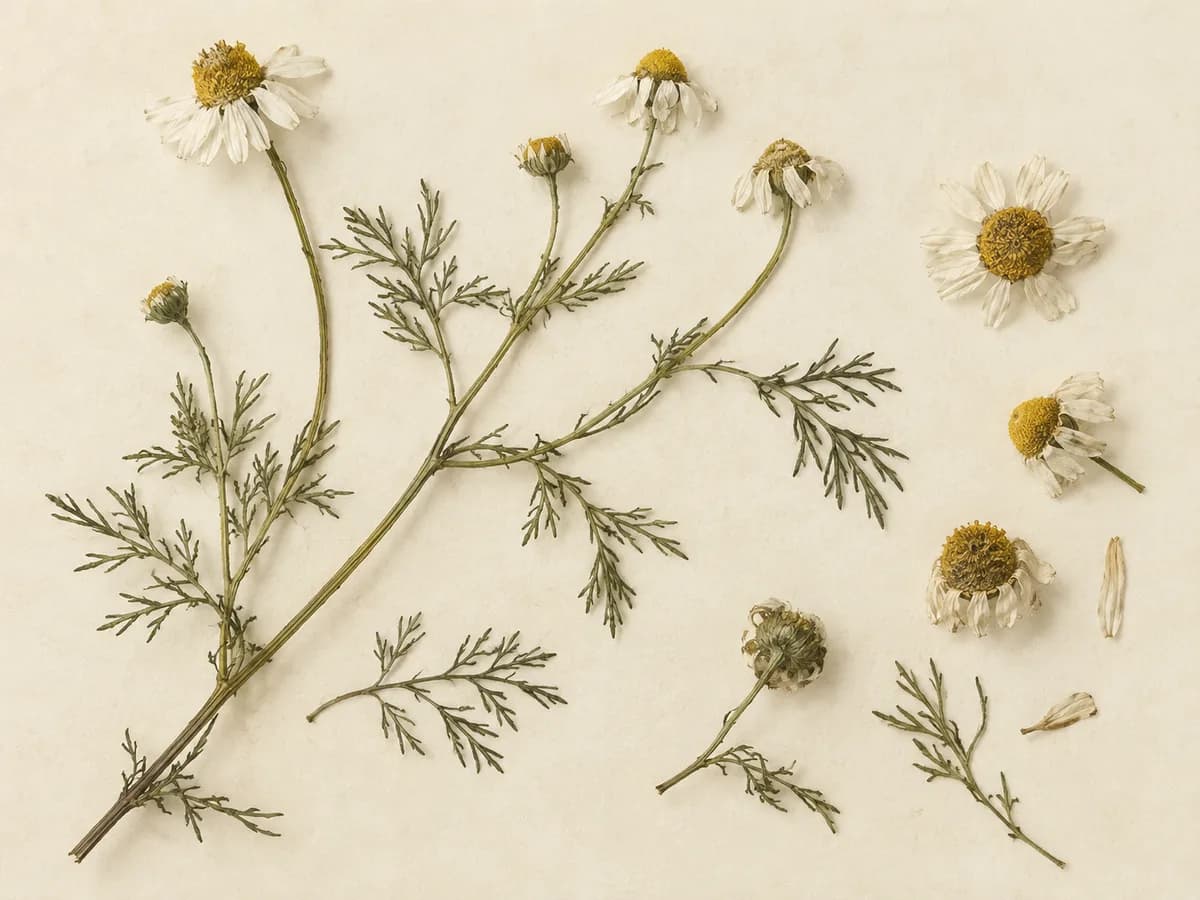
Chamomile
The bedtime tea flower — genuinely calming, with modest evidence for sleep, anxiety, and skin soothing.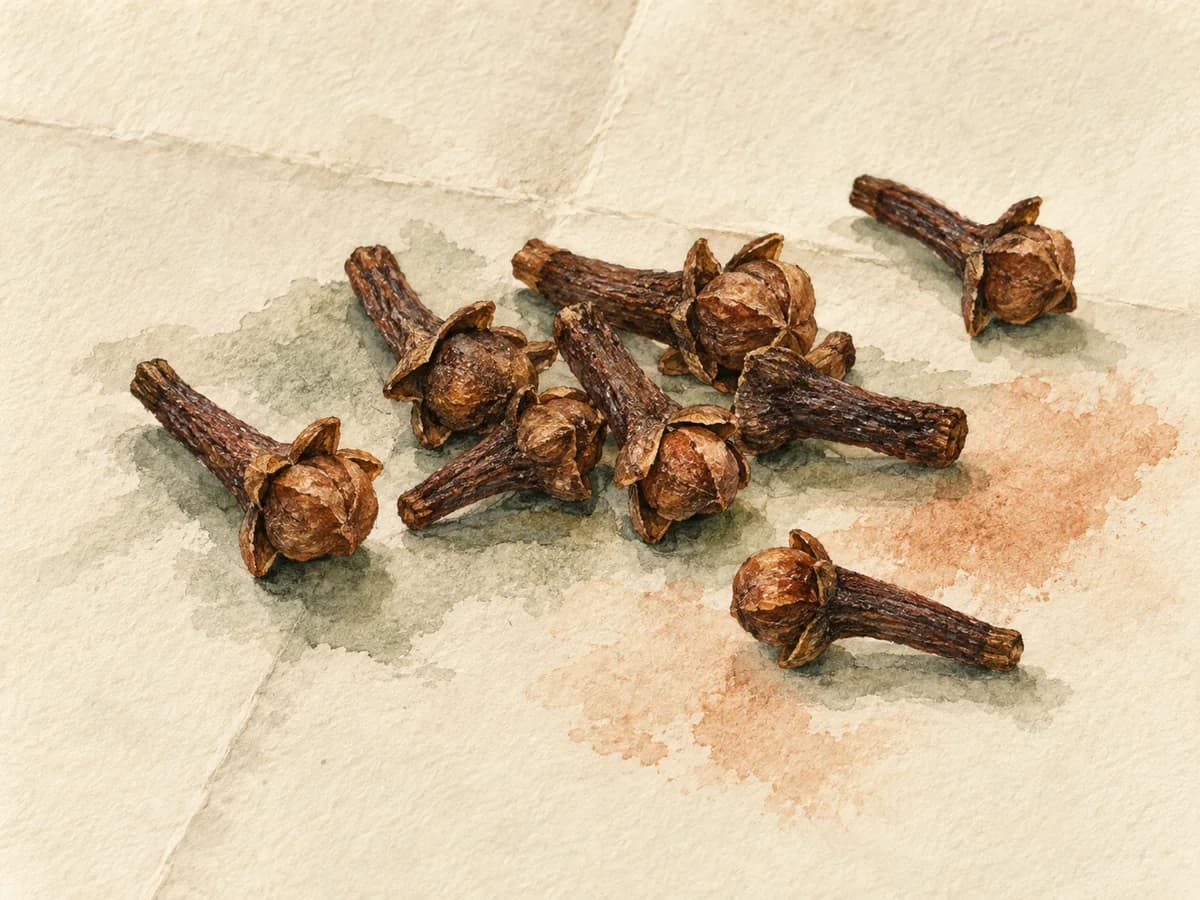
Clove
A culinary flower bud whose concentrated oil and dental preparations need different evidence and safety judgments.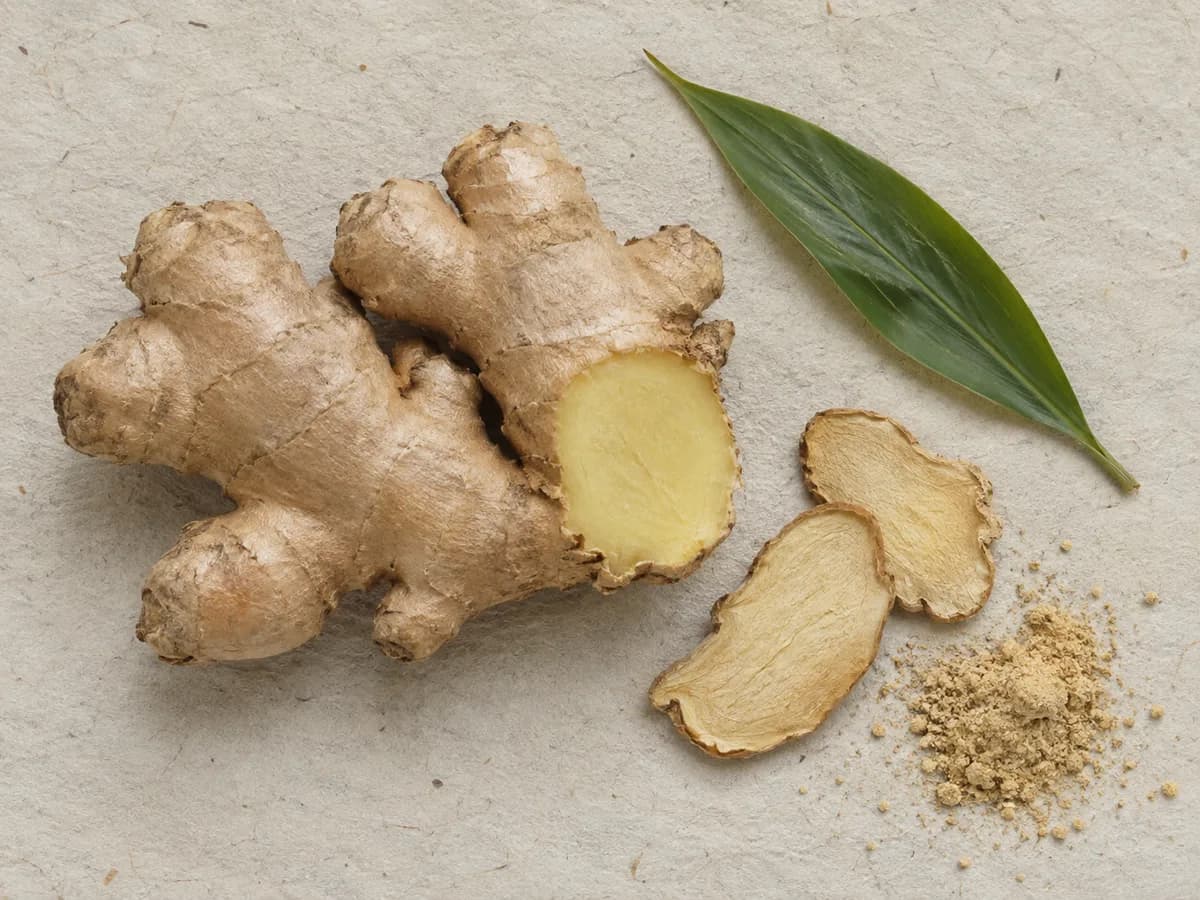
Ginger
The anti-nausea root with real clinical evidence — a first-line natural option for morning sickness and motion sickness.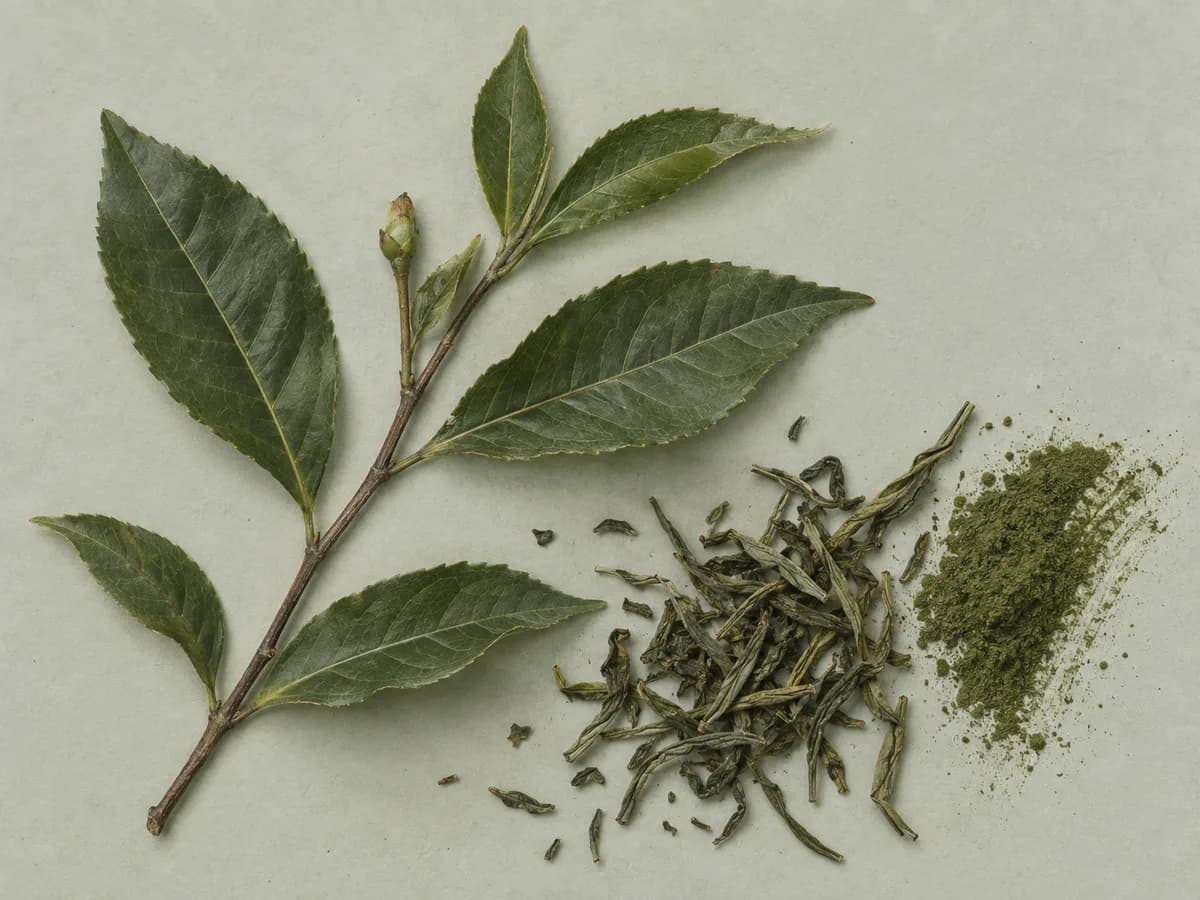
Green Tea Extract (EGCG)
The catechin powerhouse — EGCG antioxidants for skin photoprotection and modest metabolic effects, with a liver-safety asterisk.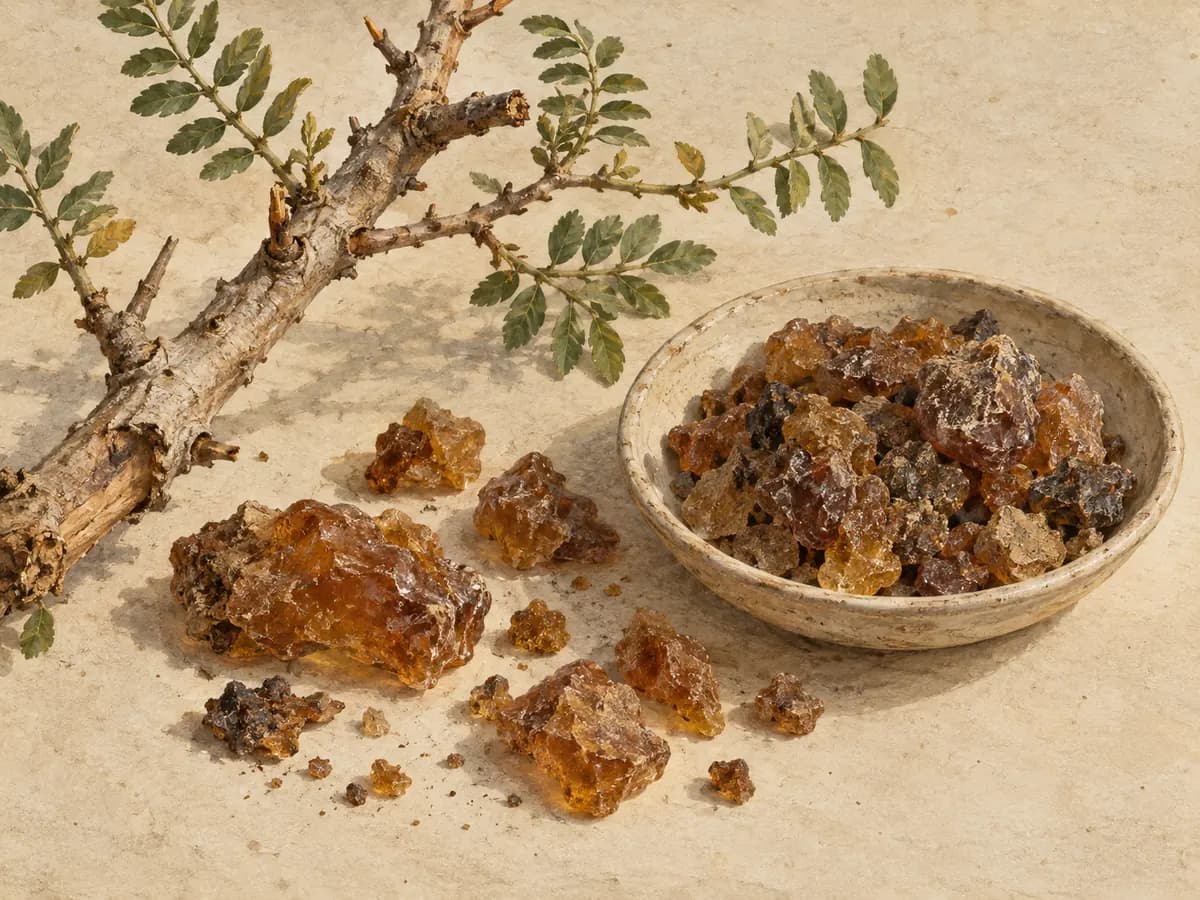
Guggul
An Ayurvedic resin extract with conflicting cholesterol evidence and meaningful interaction concerns.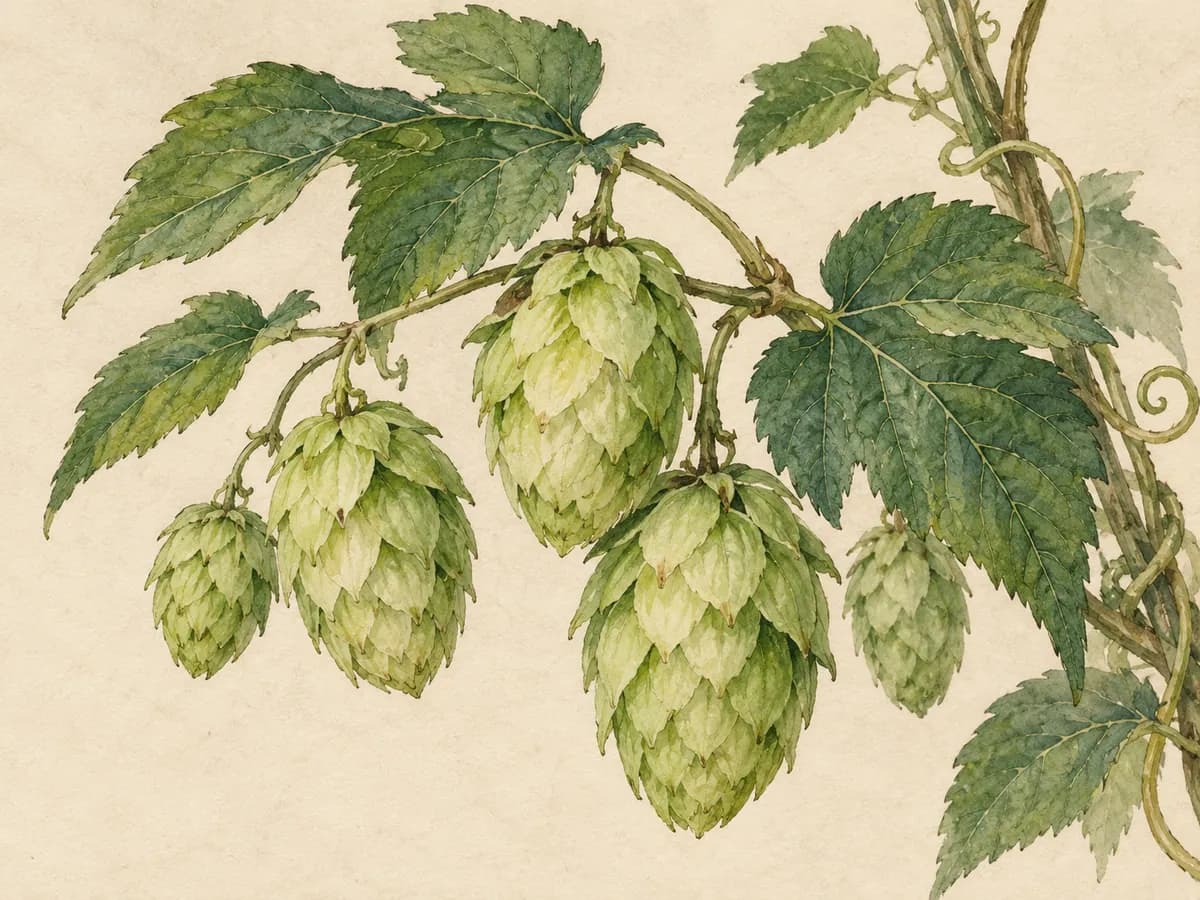
Hops
A brewing botanical with limited supplement research; sleep blends and standardized phytoestrogen extracts answer different questions.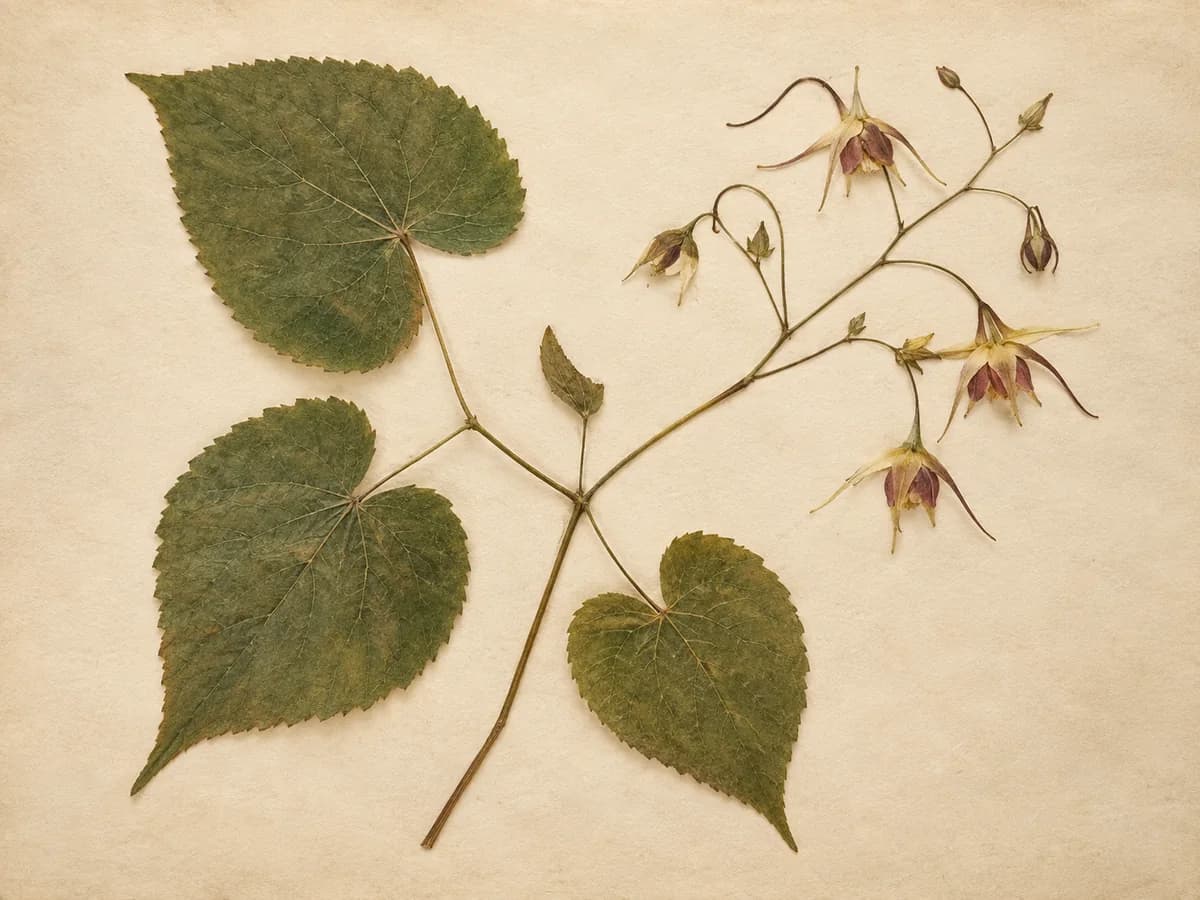
Horny Goat Weed
An Epimedium botanical marketed for libido; laboratory enzyme activity is not proof of erectile-dysfunction treatment.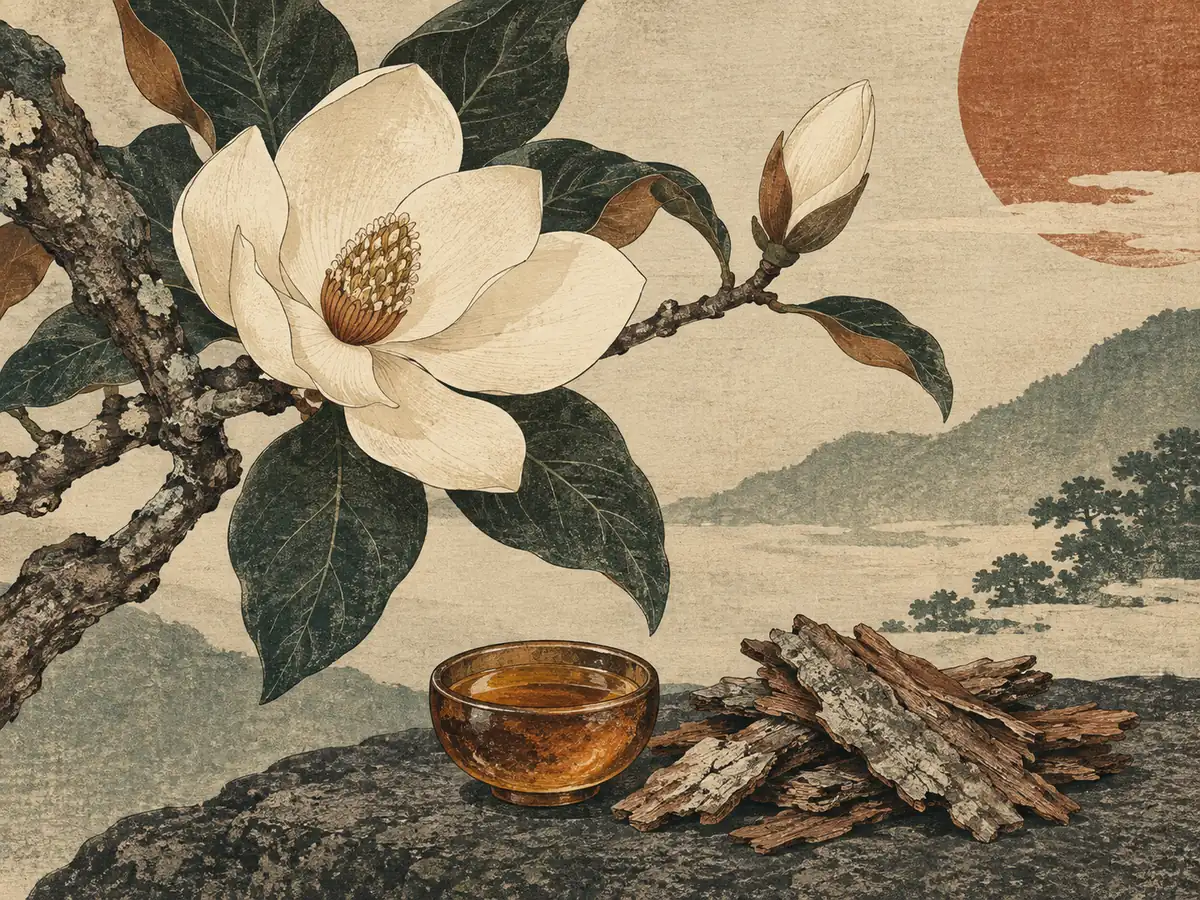
Magnolia Bark
A traditional bark extract marketed for stress and sleep, with most human evidence coming from combination products.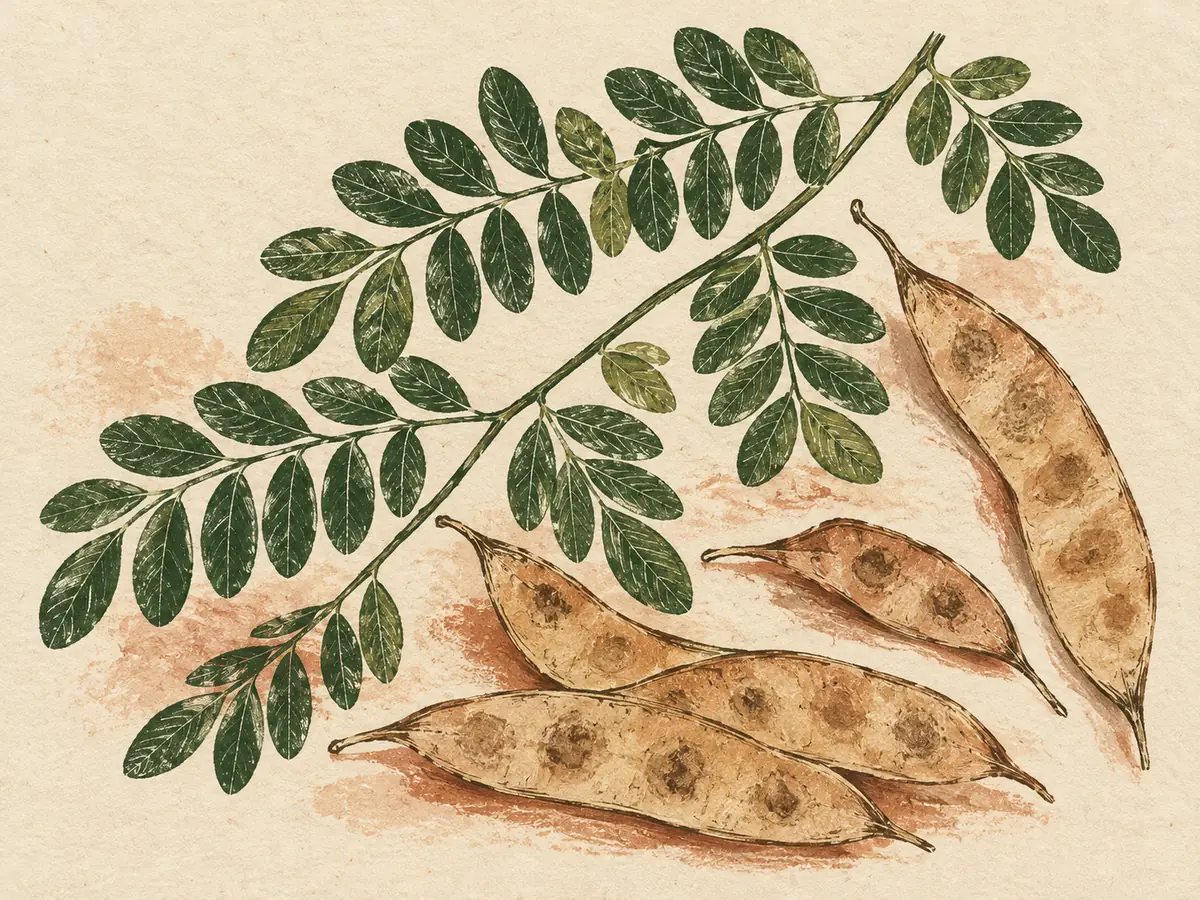
Senna
A stimulant laxative, with a conditional constipation recommendation; leaf mass is not the same as sennoside content.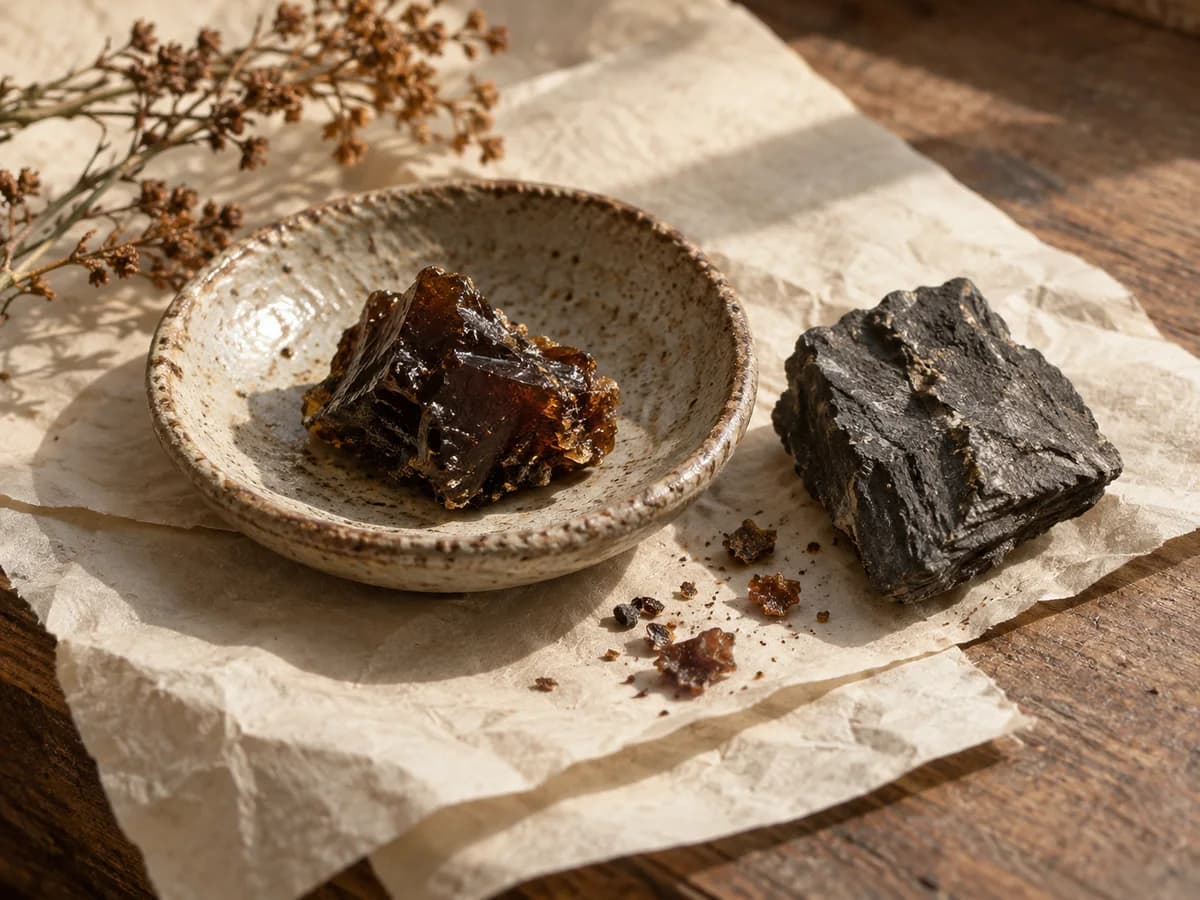
Shilajit
A variable resin-like material with limited hormone evidence; purification and contamination testing are separate questions.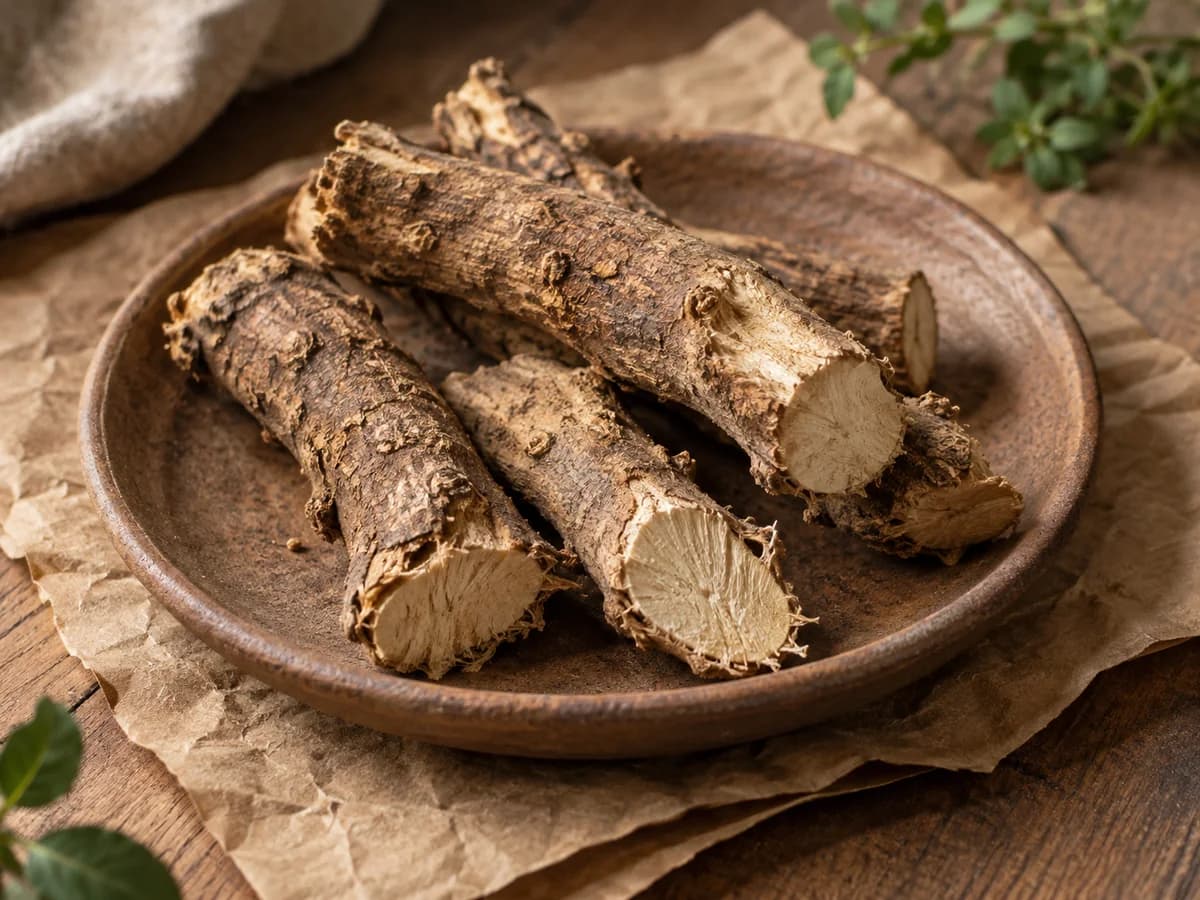
Tongkat Ali
A root extract with limited testosterone evidence and an unresolved, extract-specific genotoxicity safety finding.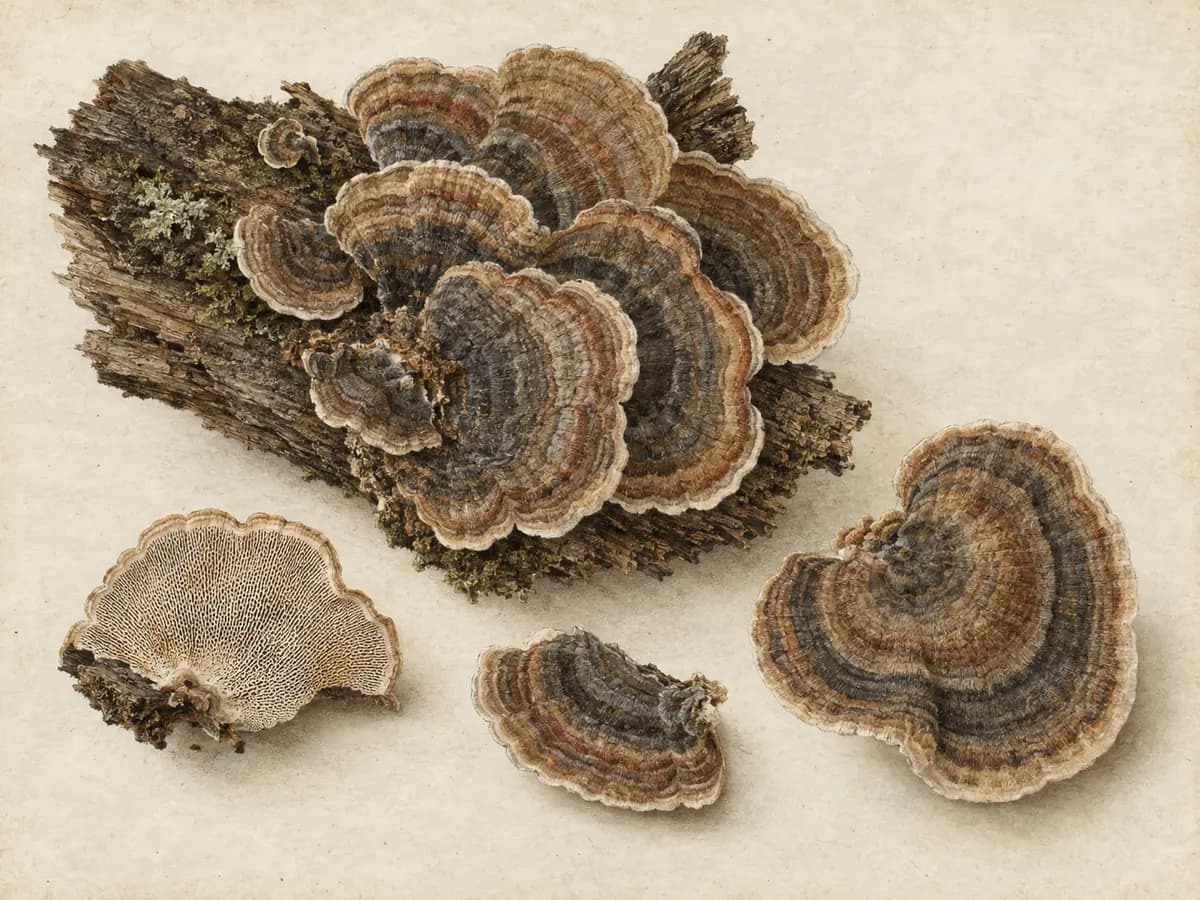
Turkey Tail
A bracket mushroom studied mainly through standardized extracts used alongside cancer treatment in Asia.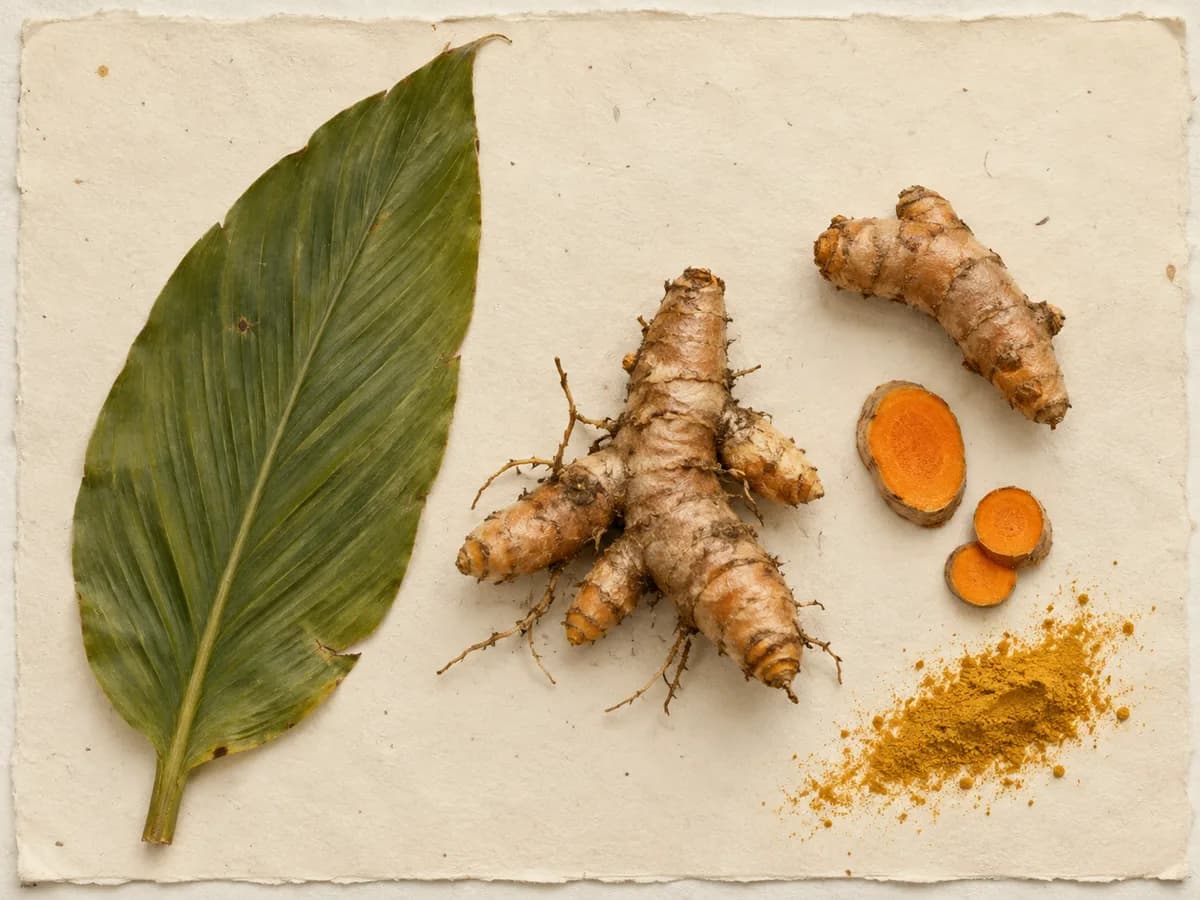
Turmeric / Curcumin
The golden spice and its active curcuminoids, studied for joint comfort and inflammatory support — with a famous absorption problem.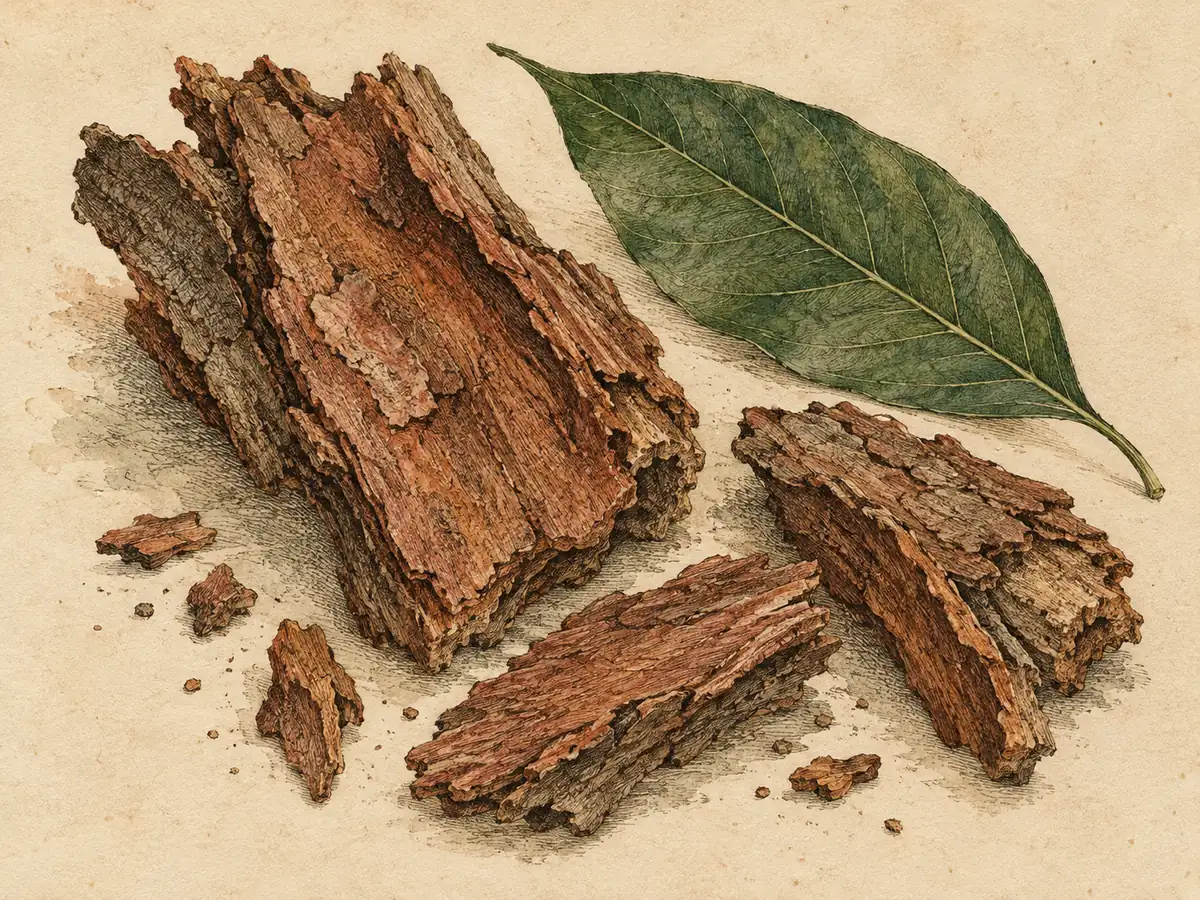
Yohimbe
A bark supplement with uncertain benefits, variable yohimbine exposure and significant cardiovascular and drug-interaction concerns.Botanicals & Herbs
- 01Aloe VeraThe succulent gel of sunburn fame — real topical benefits for burns and skin, with caution around oral use.
- 02Amla (Indian Gooseberry)The vitamin-C powerhouse of Ayurveda — a genuinely antioxidant-rich fruit with hair, skin, and lipid traditions.
- 03AndrographisThe bitter immune herb of Ayurveda and TCM — one of the better-evidenced botanicals for shortening common colds.
- 04ArnicaThe bruise-and-soreness herb — a topical-only traditional remedy with mixed trials and a firm 'never ingest' rule.
- 05Artichoke ExtractThe liver-and-digestion vegetable in extract form — real cholesterol and dyspepsia data from a Mediterranean dinner staple.
- 06AshwagandhaAn adaptogenic herb from Ayurvedic medicine, best known for reducing stress and supporting sleep.
- 07AstragalusThe TCM immune tonic — astragalosides with real immunomodulatory chemistry and a long, under-trialed tradition.
- 08Bacopa MonnieriThe Ayurvedic memory herb — bacosides with the best-studied cognitive profile of any traditional brain botanical.
- 09BerberineA yellow plant alkaloid with the strongest supplement evidence for blood sugar support, often compared to metformin.
- 10BilberryThe anthocyanin-rich wild blueberry — night-vision folklore meets real eye-vessel and circulation evidence.
- 11Black CohoshA menopause-oriented botanical with conflicting extract evidence and unresolved liver-safety concerns.
- 12Black Pepper (Piperine)A spice and concentrated alkaloid extract best known for changing the absorption and metabolism of other compounds.
- 13Black Seed OilThe 'blessed seed' of the Middle East — thymoquinone-rich oil with a mountain of small trials and few definitive answers.
- 14Boswellia (Frankincense)The anti-inflammatory resin — boswellic acids with genuine osteoarthritis data and an arthritis-adjacent niche.
- 15Burdock RootThe 'detox' root of traditional medicine — antioxidant inulin chemistry and a famous acne-linked tradition, with thin modern proof.
- 16Butcher's BroomThe venous-toning evergreen — ruscogenins that tighten veins, with real evidence for leg heaviness and hemorrhoids.
- 17ButterburThe migraine herb with genuine trial data — provided you buy the PA-free extract that makes it safe.
- 18CalendulaThe marigold of wound healing — a soothing botanical with real data for skin repair, dermatitis, and radiation skin reactions.
- 19Cayenne (Capsaicin)The heat molecule with a medical license — capsaicin cream is FDA-approved for pain, the pills mostly boost metabolism modestly.
- 20Centella AsiaticaThe wound-healing herb behind every 'cica' cream — tiger grass with collagen-stimulating compounds and a soothing reputation.
- 21ChagaThe black birch fungus of Siberia — extraordinary antioxidant numbers, with human evidence still catching up to the legend.
- 22ChamomileThe bedtime tea flower — genuinely calming, with modest evidence for sleep, anxiety, and skin soothing.
- 23ChasteberryThe women's-hormone herb — dopamine-mediated prolactin modulation with real evidence for PMS and cyclical breast pain.
- 24CinnamonThe blood-sugar spice with a coumarin catch — modest glucose effects, and cassia vs Ceylon matters.
- 25CloveA culinary flower bud whose concentrated oil and dental preparations need different evidence and safety judgments.
- 26CordycepsThe high-altitude athlete's fungus — cordycepin chemistry and modest but real endurance-performance data.
- 27CranberryThe UTI-prevention berry — proanthocyanidins that stop bacteria from sticking, with real but population-specific evidence.
- 28Dandelion RootThe lawn weed with a pharmacy past — a genuinely diuretic root with bitter prebiotic fiber and thin modern trials.
- 29Devil's ClawThe Kalahari root with arthritis credentials — anti-inflammatory harpagoides backed by real trials and gastric cautions.
- 30Dong QuaiTCM's 'female ginseng' — a coumarin-rich blood mover with thin clinical evidence and real anticoagulant interactions.
- 31EchinaceaThe purple coneflower of cold season — evidence leans to slightly fewer and shorter colds, with species and dose caveats.
- 32ElderberryThe dark-purple berry of cold season, rich in anthocyanins — evidence suggests shorter colds, not prevention.
- 33EleutheroThe original research adaptogen — stress-resistance and endurance data from the Soviet era, minus the ginseng name's baggage.
- 34EucalyptusThe vapor-rub tree — eucalyptol clears airways through real mucolytic chemistry, topically and in steam.
- 35FennelThe anise-scented digestive seed — gentle relief for bloating and colic, with a hormone-mimicry asterisk.
- 36FenugreekA spice-cum-supplement studied for blood sugar and milk production — with a maple-syrup body-odor quirk.
- 37FeverfewThe migraine daisy — parthenolide chemistry with mixed but historically significant migraine-prevention trials.
- 38Garcinia CambogiaThe 2010s weight-loss phenomenon whose active HCA works modestly — and whose 'fat blocker' fame ran ahead of the evidence.
- 39GarlicThe cardiovascular herb of the kitchen — modest, real effects on blood pressure and cholesterol, with a bleeding-risk asterisk.
- 40GingerThe anti-nausea root with real clinical evidence — a first-line natural option for morning sickness and motion sickness.
- 41Ginkgo BilobaThe 200-million-year-old 'memory tree' — studied for decades, with modest vascular and cognitive benefits at best.
- 42GinsengThe king of adaptogens — two millennia of use, with modest evidence for energy, blood sugar, and erectile function.
- 43Grape Seed ExtractWine's discarded seeds turned cardiovascular supplement — oligomeric proanthocyanidins with evidence for blood pressure and veins.
- 44Green Coffee Bean ExtractUnroasted coffee's chlorogenic acid — a modest metabolic-support extract made briefly famous by TV, then cut down by science.
- 45Green Tea Extract (EGCG)The catechin powerhouse — EGCG antioxidants for skin photoprotection and modest metabolic effects, with a liver-safety asterisk.
- 46GuaranaThe Amazon's slow-release caffeine seed — up to twice coffee's stimulant concentration, with tannins that smooth the ride.
- 47GuggulAn Ayurvedic resin extract with conflicting cholesterol evidence and meaningful interaction concerns.
- 48HawthornEurope's traditional heart tonic — berry, leaf, and flower extracts with trial support for mild heart failure and blood-pressure management.
- 49HibiscusThe ruby-red blood-pressure tea — hibiscus sabdariffa lowers systolic pressure by a genuinely useful few points.
- 50Holy Basil (Tulsi)India's sacred adaptogen — a revered stress herb with preliminary trials and the safety profile of a kitchen plant.
- 51HopsA brewing botanical with limited supplement research; sleep blends and standardized phytoestrogen extracts answer different questions.
- 52Horny Goat WeedAn Epimedium botanical marketed for libido; laboratory enzyme activity is not proof of erectile-dysfunction treatment.
- 53Horse ChestnutThe vein herb with European medicine status — aescin reduces leg swelling with trial evidence to match.
- 54HorsetailThe prehistoric silica herb — a traditional diuretic and hair-nails-bones tonic with real silicon content and real caveats.
- 55KavaThe Pacific anxiety herb with real trial data — kavalactones that calm like a mild anxiolytic, with a liver-safety asterisk.
- 56LavenderThe calming classic — real anxiety and sleep evidence in aromatherapy, plus one controversial endocrine question for young boys.
- 57Lemon BalmThe lemon-scented calming herb — gentle stress relief and one of the better-evidenced natural cold-sore treatments.
- 58Licorice Root ExtractThe brightening-soothing botanical — glabridin for dark spots and glycyrrhizin for redness, with an oral blood-pressure caution.
- 59Lion's ManeThe shaggy cognitive mushroom — nerve-growth-factor compounds with promising but preliminary brain data.
- 60MacaThe high-altitude Peruvian root marketed for libido and energy — evidence is suggestive but thin.
- 61Magnolia BarkA traditional bark extract marketed for stress and sleep, with most human evidence coming from combination products.
- 62MaitakeThe dancing mushroom — beta-glucan immune chemistry with blood-sugar hints and a delicious culinary identity.
- 63Milk ThistleThe traditional liver herb — safe and popular, though trials show lab improvements more than proven outcomes.
- 64MoringaThe 'miracle tree' of the tropics — genuinely nutrient-dense leaves with modest, consistent blood-sugar and lipid benefits.
- 65NeemThe 'village pharmacy' of India — a topical antimicrobial workhorse whose internal use deserves real caution.
- 66Olive LeafThe olive tree's antiviral leaf — oleuropein with genuine blood-pressure and metabolic evidence, plus immune-tradition claims.
- 67Oregano OilThe carvacrol-rich antimicrobial oil — impressive in the lab, thinner in humans, and hard on the stomach.
- 68PassionflowerThe dreamy vine of the Americas — a gentle GABA-ergic calming herb, strongest in combination blends.
- 69Peppermint OilThe IBS remedy with gastroenterology's blessing — enteric-coated peppermint oil is a guideline-level treatment.
- 70Pumpkin SeedThe prostate-and-bladder seed — modest trial support for BPH and overactive bladder, plus a genuinely mineral-rich food.
- 71PygeumThe African plum bark for prostate comfort — a European urology staple with modest but real BPH symptom evidence.
- 72Red CloverThe phytoestrogen flower — isoflavone-rich red clover for menopause symptoms, with real but modest trial data.
- 73ReishiThe 'mushroom of immortality' — immune-modulating triterpenes with real polysaccharide chemistry and uneven human trials.
- 74Rhodiola RoseaThe Arctic adaptogen for fatigue and stress — one of the better-evidenced botanicals for burnout-style exhaustion.
- 75RooibosSouth Africa's caffeine-free red tea — aspalathin chemistry, gentle antioxidant effects, and zero jitters.
- 76RosemaryThe kitchen herb with a lab resume — carnosic-acid antioxidants and a genuinely studied hair-loss role for rosemary oil.
- 77Saw PalmettoThe prostate herb — popular for decades, but large well-run trials found no meaningful benefit for urinary symptoms.
- 78SchisandraThe five-flavor berry of Chinese tonic tradition — adaptogenic stamina and liver-protection data with an intriguing all-tastes profile.
- 79SennaA stimulant laxative, with a conditional constipation recommendation; leaf mass is not the same as sennoside content.
- 80ShilajitA variable resin-like material with limited hormone evidence; purification and contamination testing are separate questions.
- 81SkullcapThe calming herb of the mint family — traditional sleep and anxiety use backed by thin trials and interesting baicalin chemistry.
- 82St. John's WortThe depression herb with real trial data — and the supplement aisle's most dangerous drug-interaction profile.
- 83Stinging NettleThe sting that soothes — nettle root for prostate symptoms, nettle leaf for allergies, with iron-rich food credentials.
- 84Tea Tree OilThe Australian antimicrobial essential oil — useful for acne and nail fungus, toxic if swallowed.
- 85Tongkat AliA root extract with limited testosterone evidence and an unresolved, extract-specific genotoxicity safety finding.
- 86Tribulus TerrestrisThe classic 'testosterone booster' herb — real libido data from animal and some human work, but no T-boost in healthy men.
- 87TriphalaAyurveda's three-fruit formula — a gentle daily laxative with emerging evidence for gut, metabolic, and oral health.
- 88Turkey TailA bracket mushroom studied mainly through standardized extracts used alongside cancer treatment in Asia.
- 89Turmeric / CurcuminThe golden spice and its active curcuminoids, studied for joint comfort and inflammatory support — with a famous absorption problem.
- 90Valerian RootThe classic herbal sedative — a gentle, if smelly, sleep aid with a GABA connection and mixed trial results.
- 91Witch HazelThe classic astringent toner made from a North American shrub — soothing for skin, with a caveat about alcohol versions.
- 92Yerba MateSouth America's caffeinated tea — energy without the coffee jitters, plus a genuine hot-drink cancer caveat.
- 93YohimbeA bark supplement with uncertain benefits, variable yohimbine exposure and significant cardiovascular and drug-interaction concerns.