Minerals
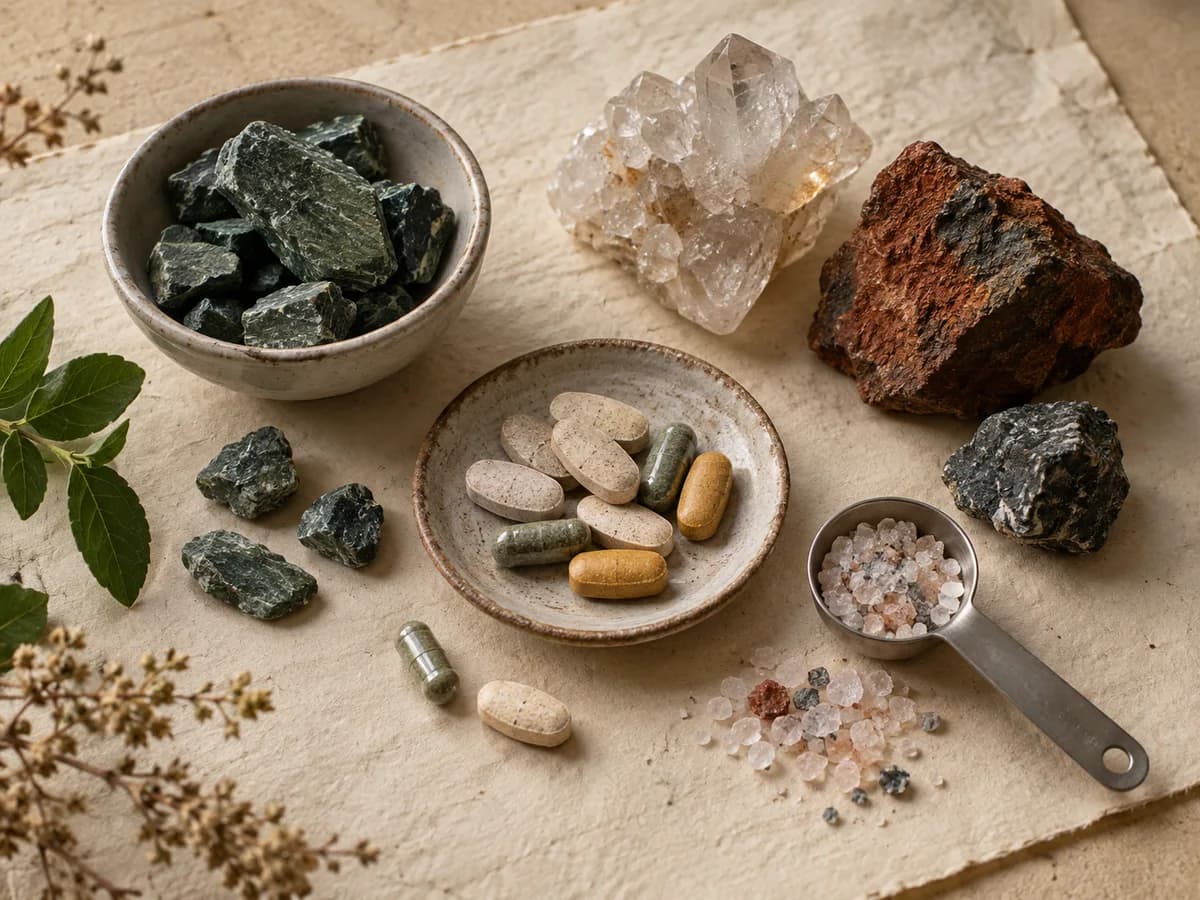
Minerals are inorganic elements that act as cofactors in enzyme reactions, carry oxygen, build bone, and support nerve and muscle function. Common minerals in supplements include magnesium, zinc, iron, calcium, and selenium. Browse 19 entries in this category.
Illustrated guides
Selected entries interpreted through varied editorial art and photography.

Calcium
The most abundant mineral in the body — essential for bone, with the practical question of food versus pills.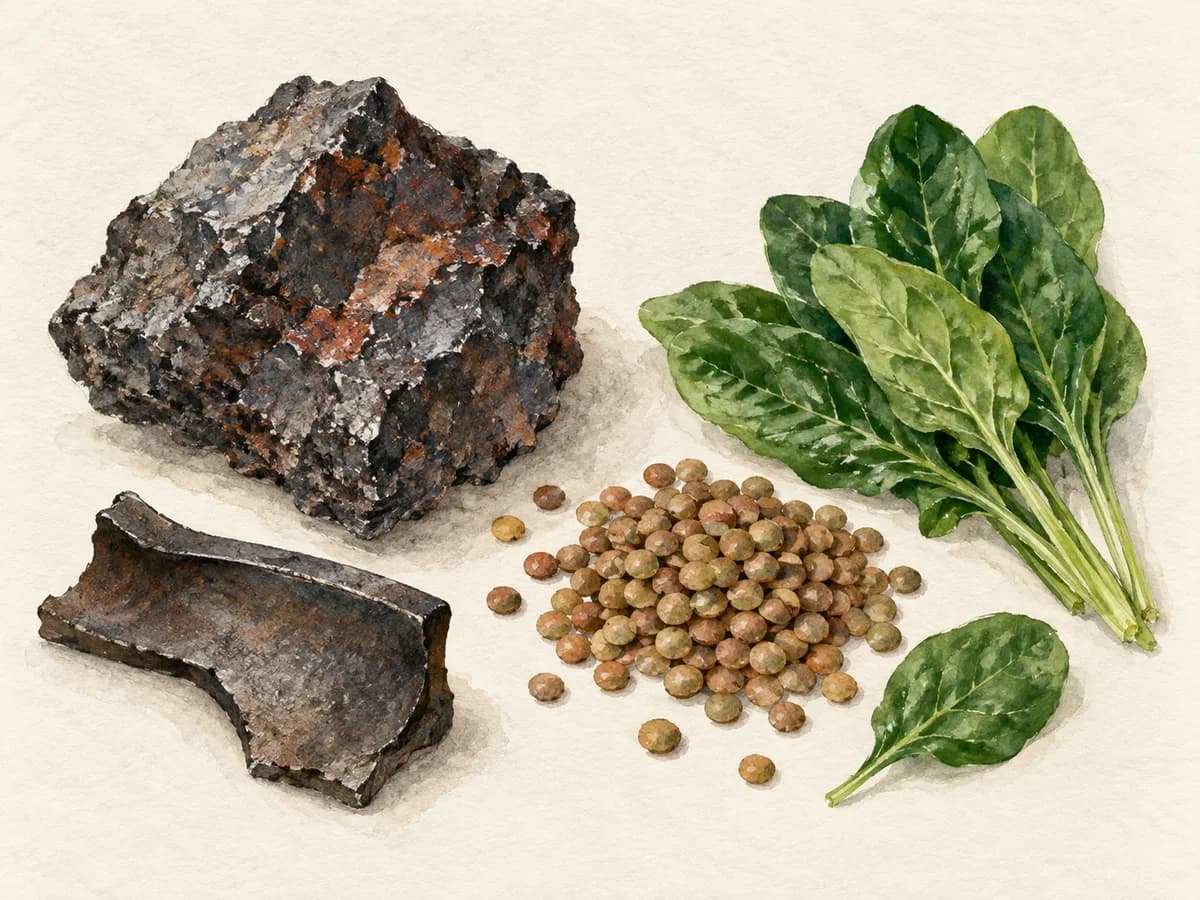
Iron
An essential mineral that carries oxygen in the blood; the most common nutrient deficiency in the world.
Magnesium
An essential mineral involved in more than 300 enzyme reactions, widely supplemented for sleep, muscle, and nerve function.
Selenium
The thyroid-and-immunity trace mineral — essential in small amounts, toxic in large ones, easy to overdo with Brazil nuts.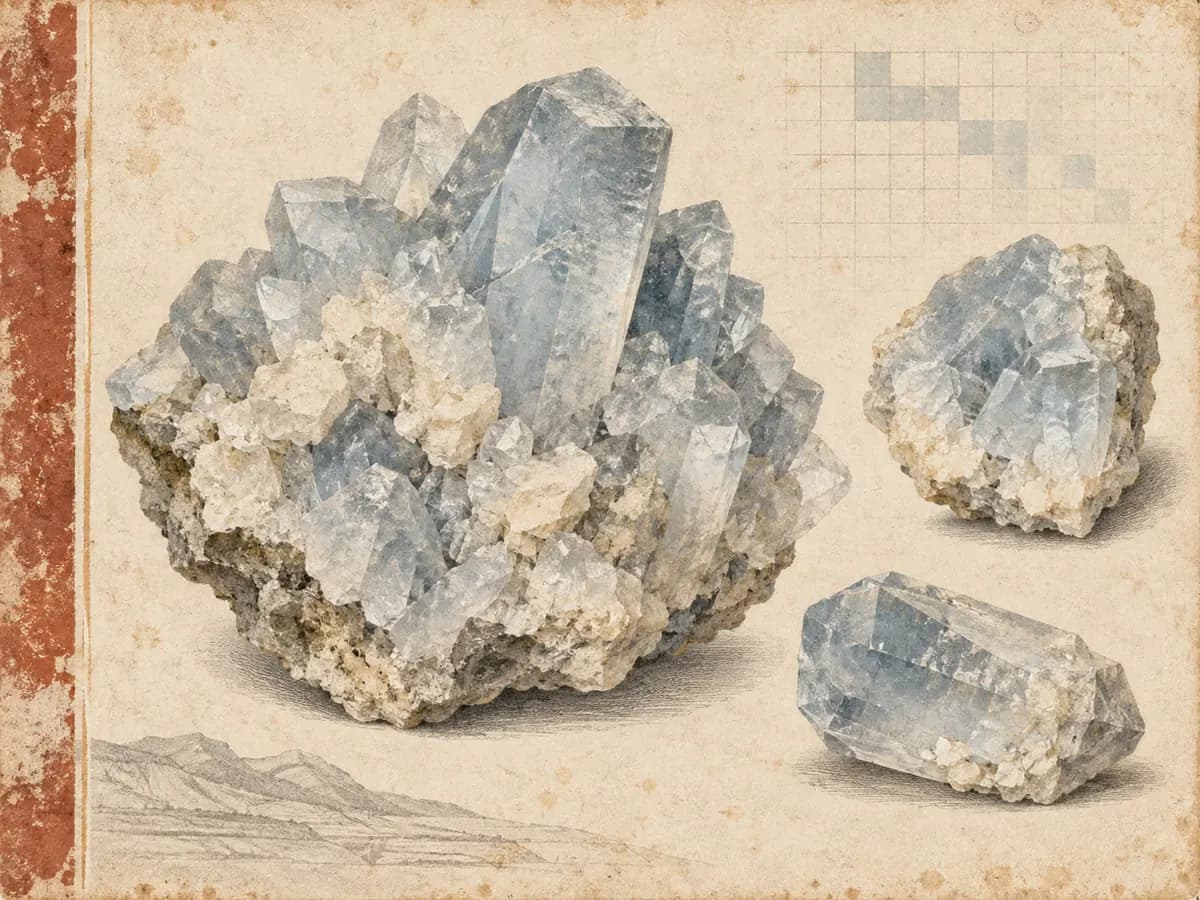
Strontium
A calcium-like element sold for bone support, where supplement salts must not be confused with the restricted medicine strontium ranelate.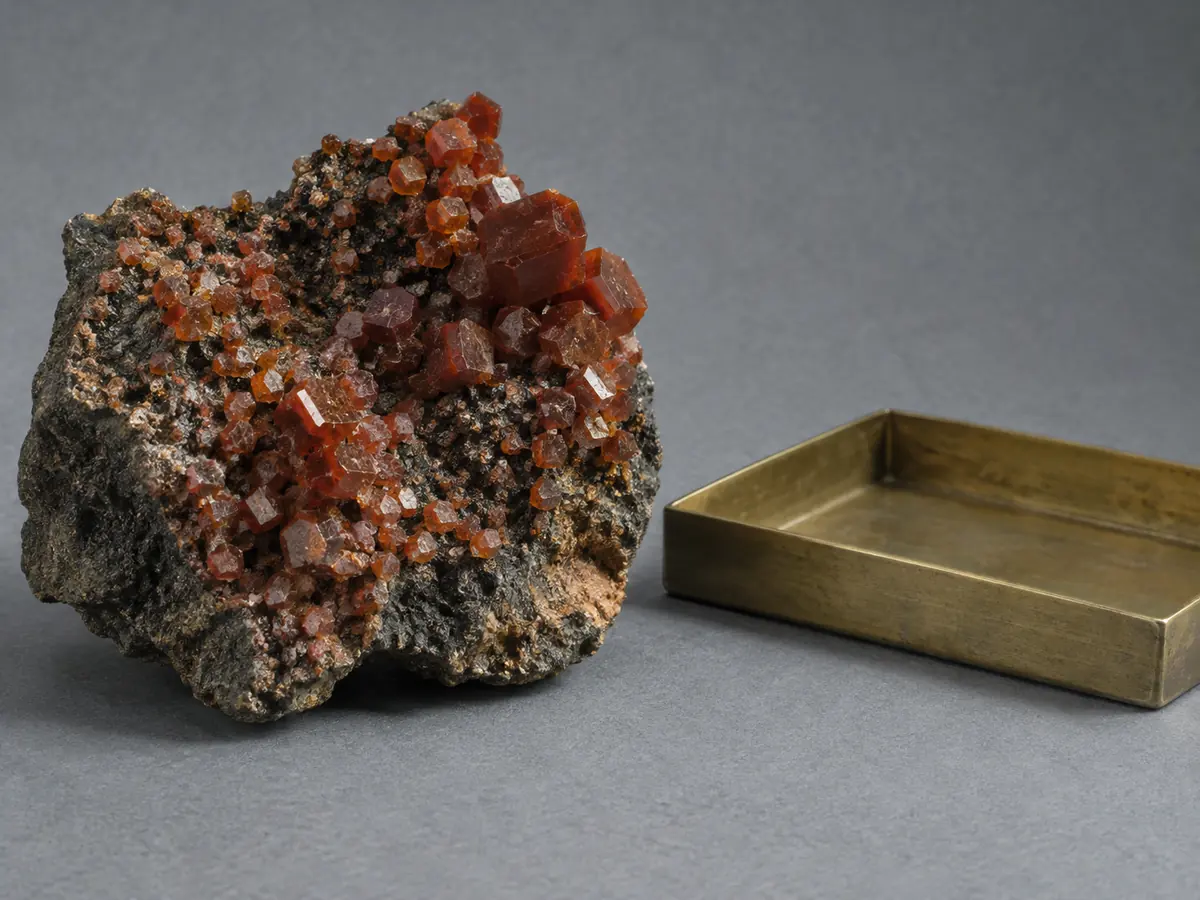
Vanadium
A trace element studied for insulin-like effects but not established as an essential human nutrient or safe diabetes supplement.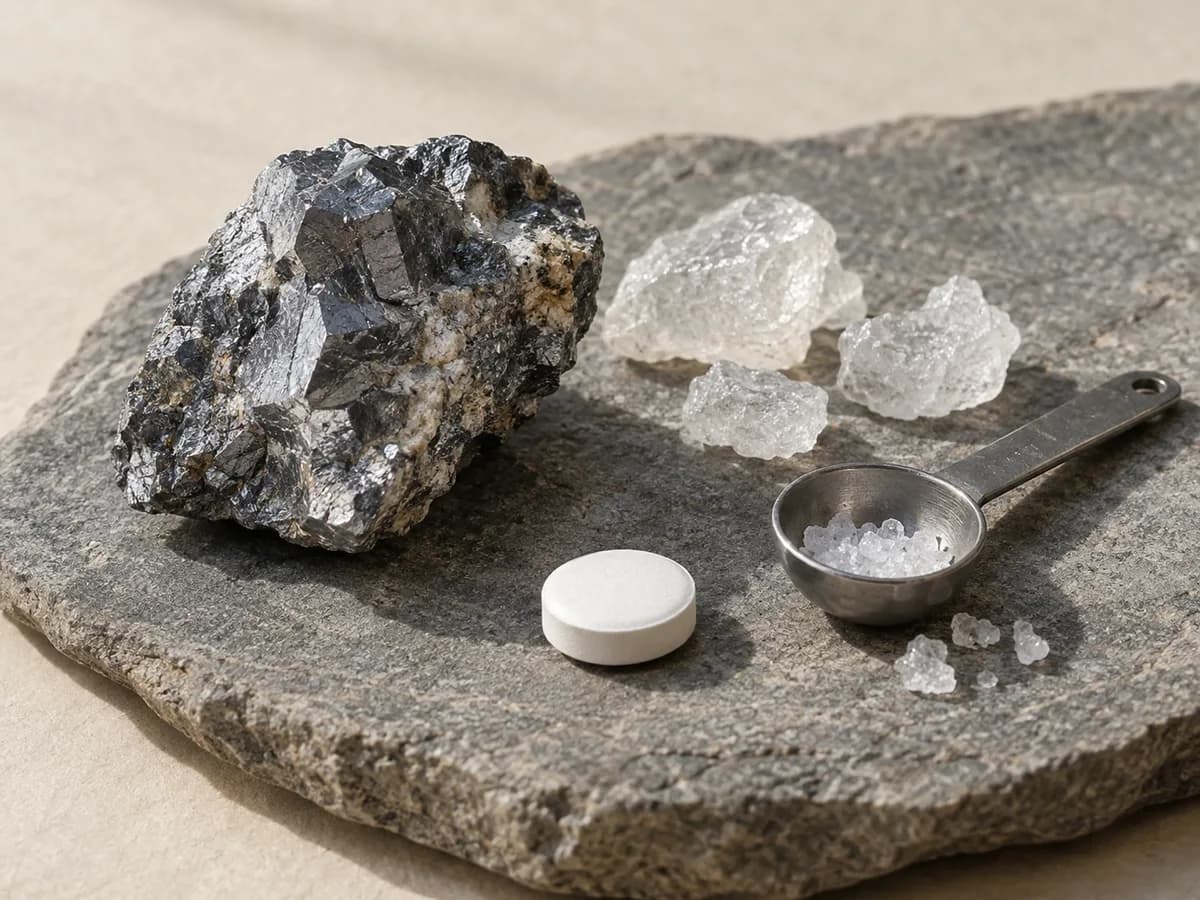
Zinc
An essential trace mineral for immunity, skin, and wound healing, found in supplement and skincare routines alike.Minerals
- 01BoronThe bone-and-joint trace mineral — small trials, a calcium-magnesium-vitamin D partnership, and a 20 mg upper limit.
- 02CalciumThe most abundant mineral in the body — essential for bone, with the practical question of food versus pills.
- 03ChromiumThe trace mineral once marketed for fat loss and blood sugar — effects too small to matter for most people.
- 04CopperThe connective-tissue mineral — enzyme cofactor for collagen crosslinking, with a skincare second act as copper peptides.
- 05FluorideThe cavity-fighting mineral — the most effective public-health dental intervention ever measured, consumed mostly in toothpaste.
- 06IodineThe thyroid-fuel mineral — essential for hormones and fetal brain development, dangerous to megadose.
- 07IronAn essential mineral that carries oxygen in the blood; the most common nutrient deficiency in the world.
- 08Lithium (Orotate)The mood element at microdoses — trace lithium's intriguing neurological data, with a heavy medication caution.
- 09MagnesiumAn essential mineral involved in more than 300 enzyme reactions, widely supplemented for sleep, muscle, and nerve function.
- 10ManganeseThe antioxidant-enzyme mineral — essential in tiny amounts, toxic when inhaled, and rarely needed as a supplement.
- 11MolybdenumThe trace mineral that detoxifies sulfites — essential for enzymes, essentially never deficient, and a niche sulfite-sensitivity aid.
- 12PhosphorusThe second-most-abundant mineral — bone, energy, and DNA depend on it, and modern diets oversupply it.
- 13PotassiumThe blood-pressure electrolyte — best obtained from food, with supplements legally capped at 99 mg per pill.
- 14SeleniumThe thyroid-and-immunity trace mineral — essential in small amounts, toxic in large ones, easy to overdo with Brazil nuts.
- 15SiliconThe bone-and-connective-tissue mineral — real collagen biology, with hair-skin-nails evidence that is promising but partial.
- 16SodiumThe electrolyte everyone gets too much of — essential for nerve and muscle function, with a public-health problem in excess.
- 17StrontiumA calcium-like element sold for bone support, where supplement salts must not be confused with the restricted medicine strontium ranelate.
- 18VanadiumA trace element studied for insulin-like effects but not established as an essential human nutrient or safe diabetes supplement.
- 19ZincAn essential trace mineral for immunity, skin, and wound healing, found in supplement and skincare routines alike.