Surfactants & Emulsifiers
Surfactants let cleansers lift dirt and oil from skin, while emulsifiers keep creams and lotions from separating. This category covers common members like glycerin-derived cleansers and emulsifying waxes. Browse 23 entries in this category.
Illustrated guides
Selected entries interpreted through varied editorial art and photography.
Behentrimonium Chloride
A cationic conditioning ingredient that reduces hair static and improves combing in rinse-off and leave-on formulas.
Ceteareth-20
An ethoxylated fatty-alcohol emulsifier: the number describes chemistry, not a 20% cream concentration.
Cetrimonium Chloride
A positively charged conditioning ingredient used for slip and static control, not evidence of hair regrowth.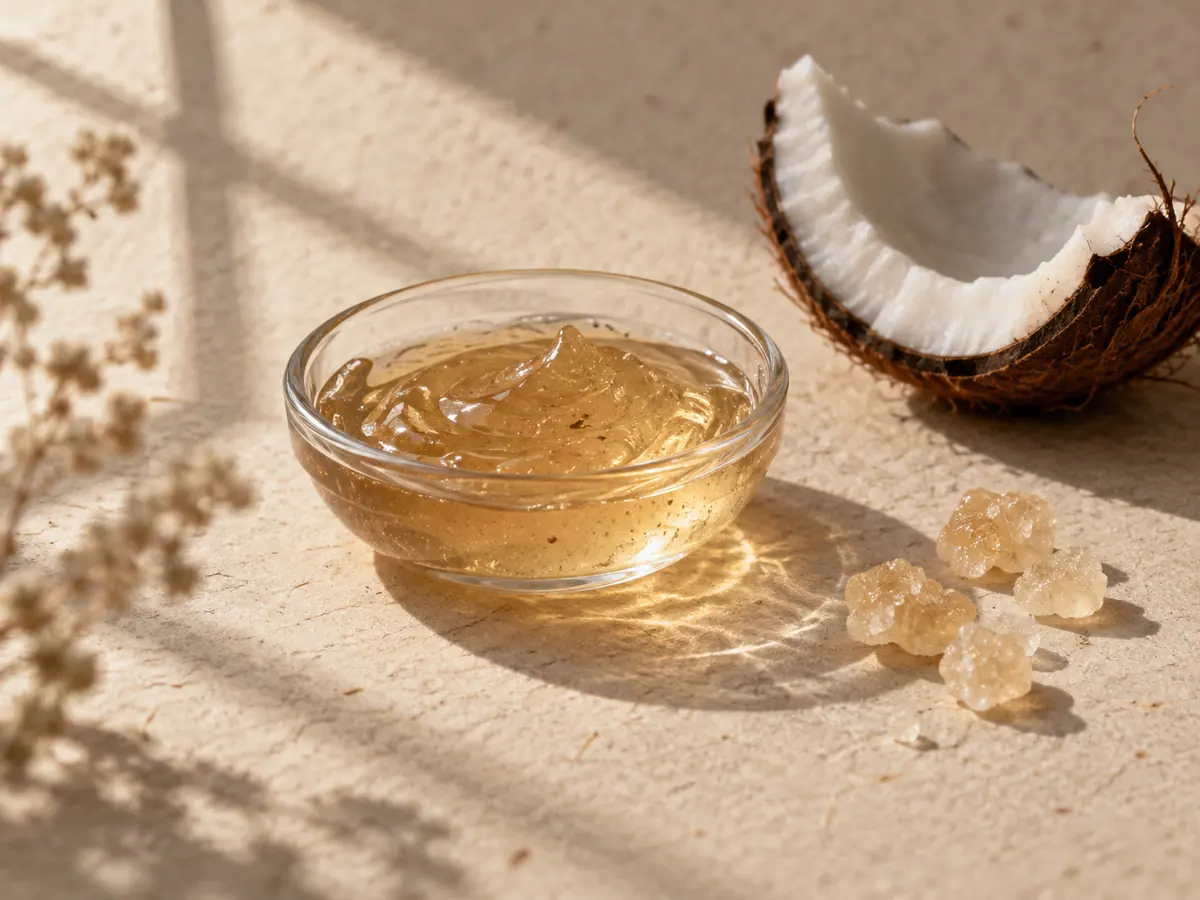
Coco-Glucoside
A nonionic sugar-based surfactant used to cleanse and foam, often in products positioned as mild.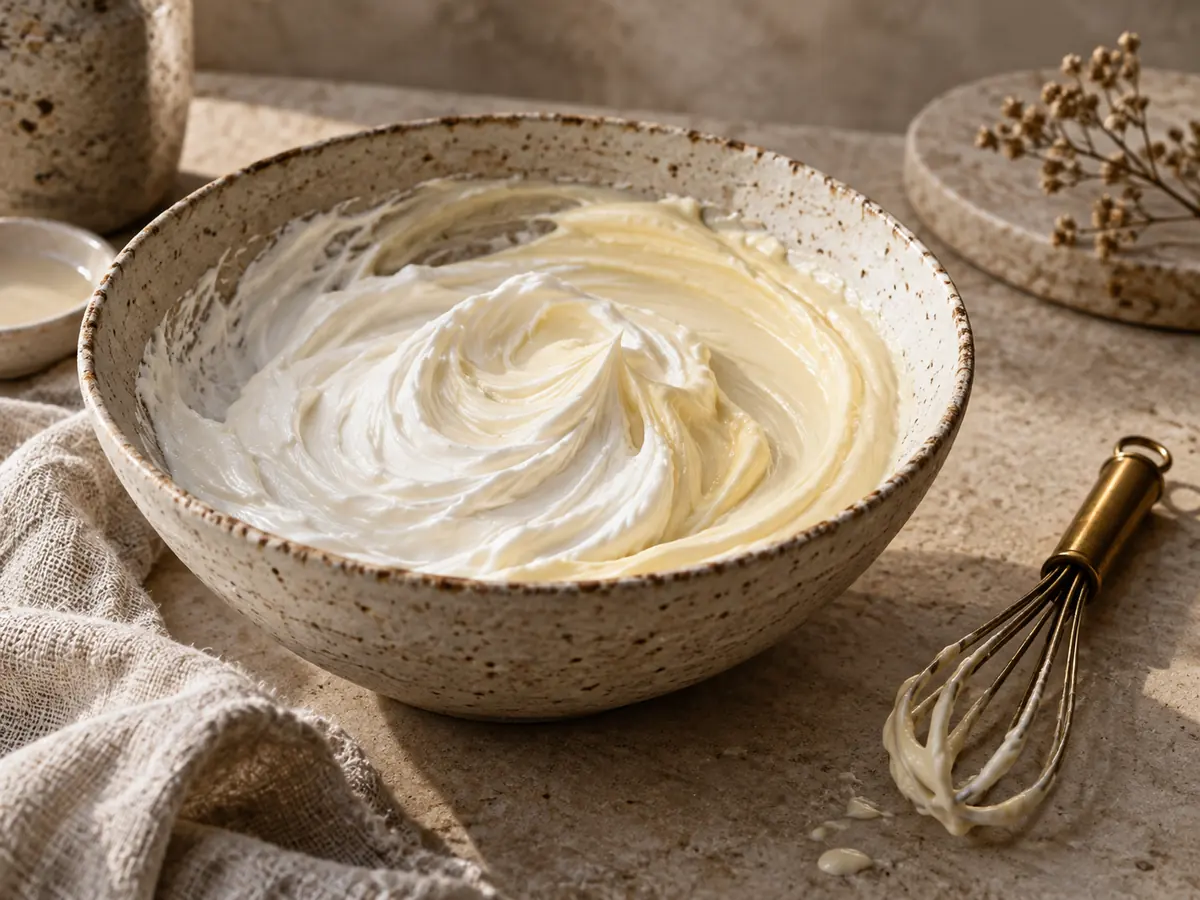
Glyceryl Stearate
A glycerin-and-stearic-acid ester that helps oil and water stay mixed while adding body and slip.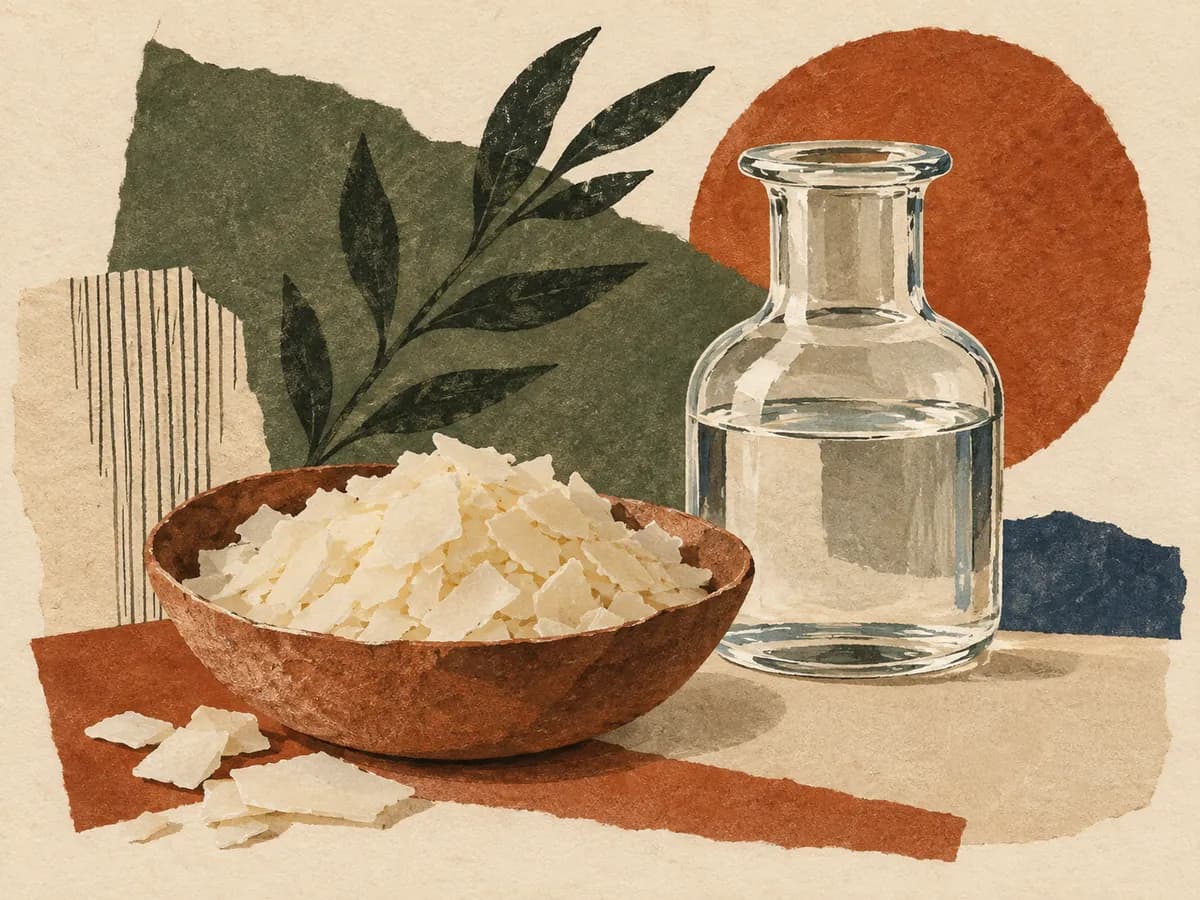
Polyethylene Glycol (PEGs)
A family of polymers and derivatives with different sizes and uses; cosmetic PEGs, laxatives and rare PEG allergy need separate interpretation.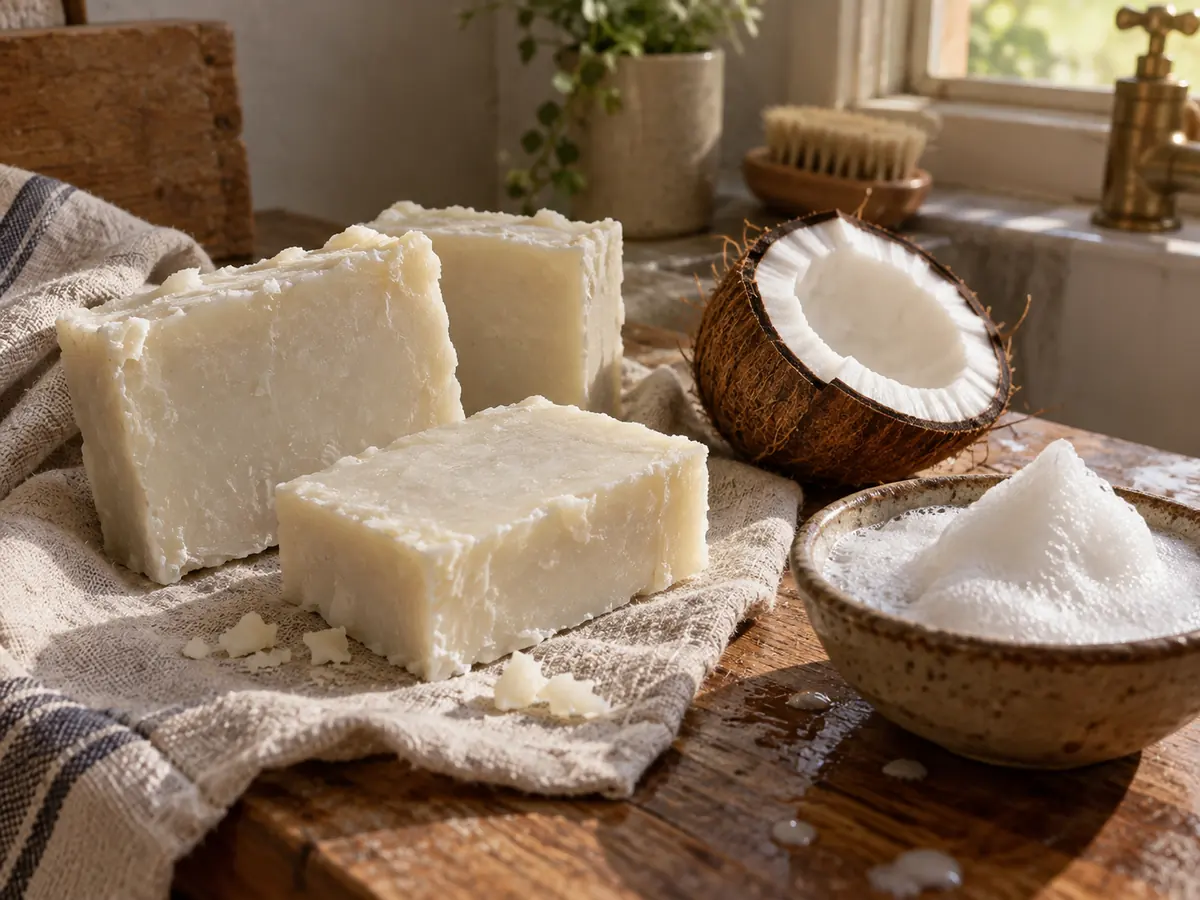
Sodium Cocoate
The sodium soap made from coconut-oil fatty acids, valued for cleansing and lather but capable of drying skin in high-pH formulas.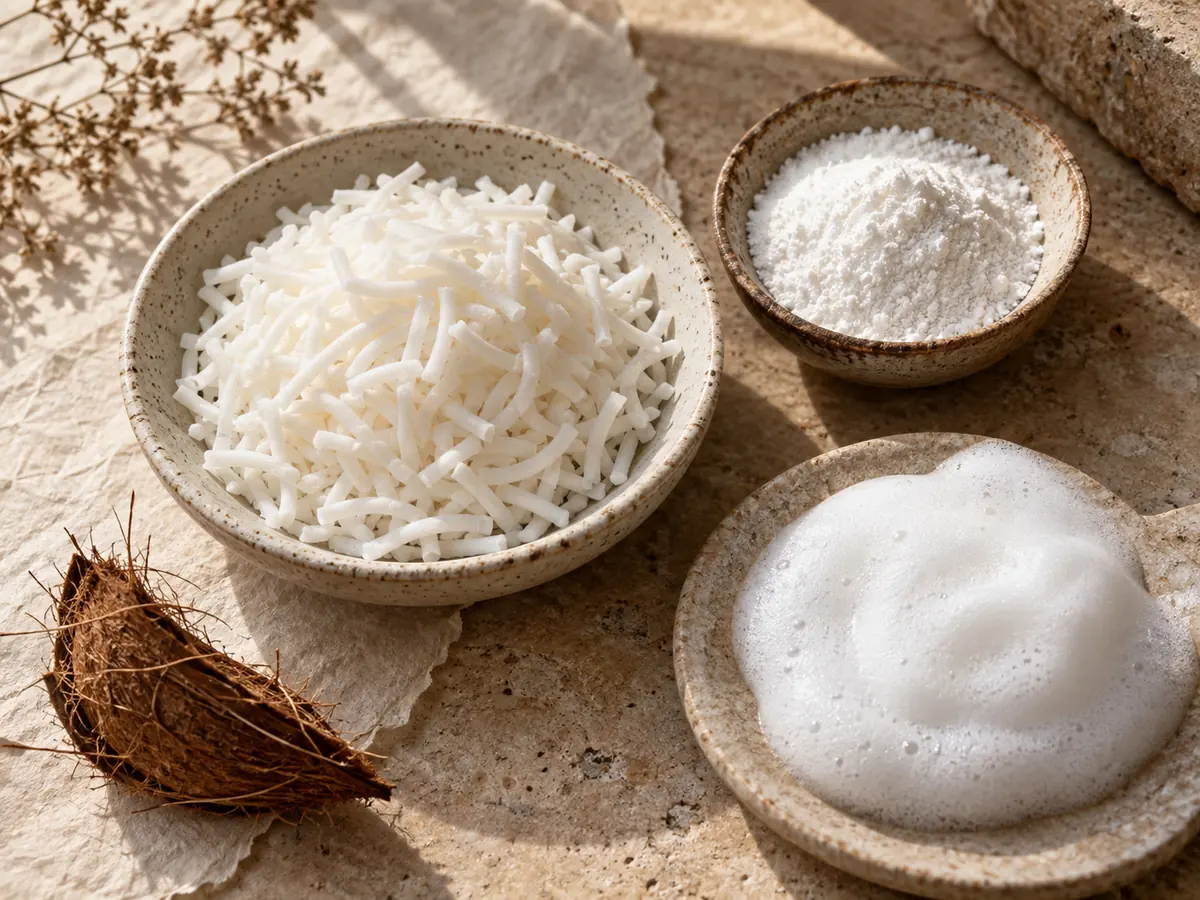
Sodium Cocoyl Isethionate
A coconut-fatty-acid-derived anionic surfactant valued for dense foam and generally milder cleansing than soap.
Sodium Lauroyl Sarcosinate
An anionic surfactant used for cleansing and foam in facial washes, shampoos, and oral-care products.
Sodium Methyl Cocoyl Taurate
A taurate cleanser made with coconut-derived fatty acids; sulfate-free does not mean irritation-free.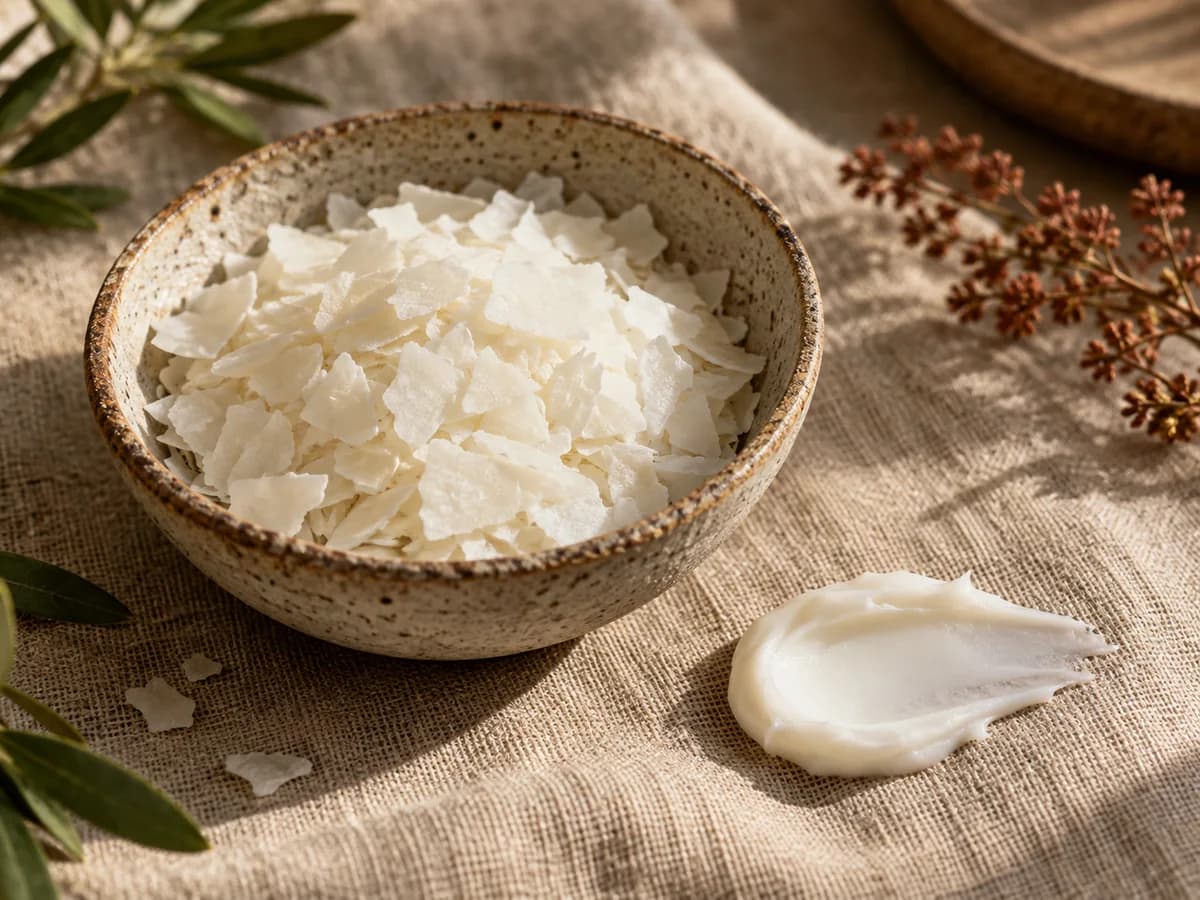
Stearic Acid
A waxy fatty acid used to shape creams and cleansers, not an exfoliating acid or a proven standalone skin treatment.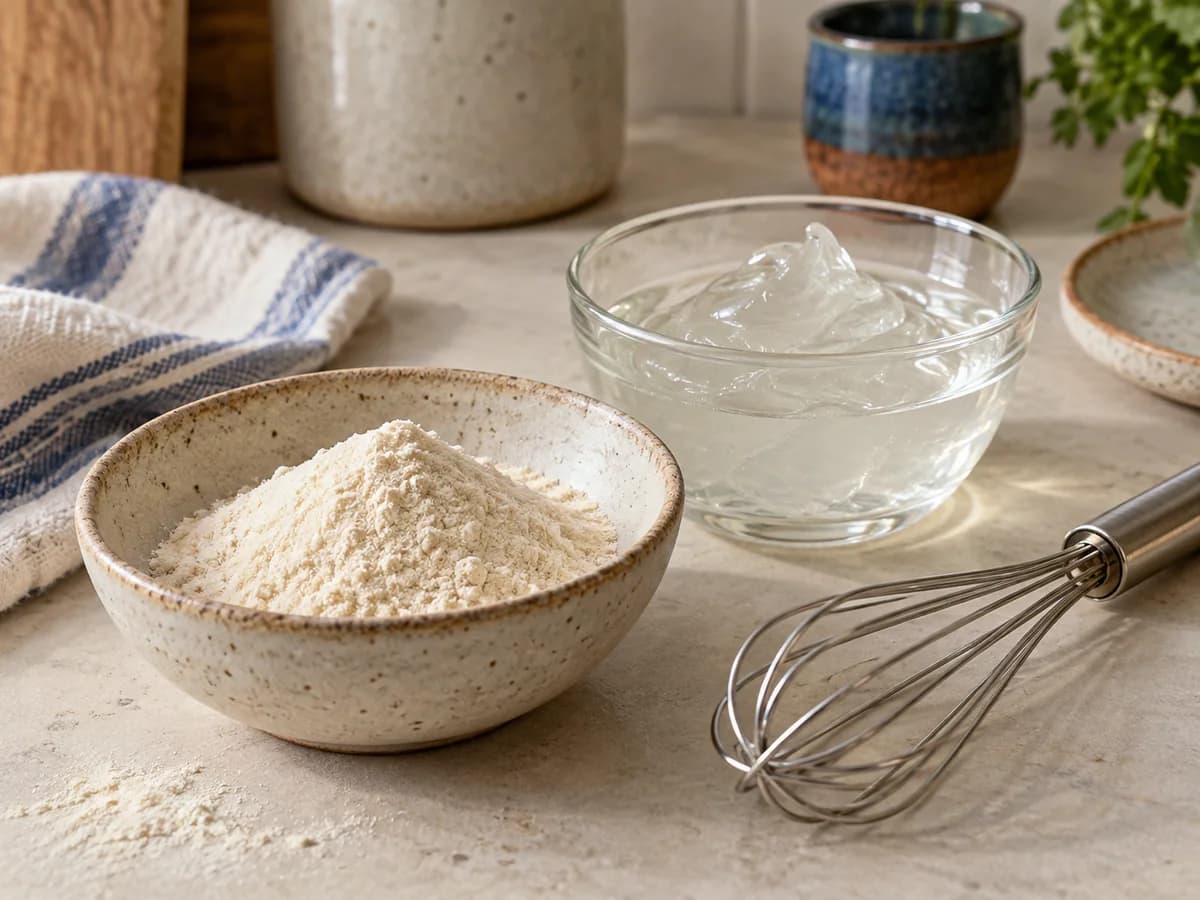
Xanthan Gum
A fermentation-derived thickener and stabilizer, not a live probiotic or a primary cleansing surfactant.Surfactants & Emulsifiers
- 01Behentrimonium ChlorideA cationic conditioning ingredient that reduces hair static and improves combing in rinse-off and leave-on formulas.
- 02CarbomerThe gel-builder behind every clear serum — an invisible thickener with a confusing name and a clean safety record.
- 03Cellulose GumPlant cellulose made water-loving — the thickening fiber in ice cream, toothpaste, and the gut-permeability research debate.
- 04Ceteareth-20An ethoxylated fatty-alcohol emulsifier: the number describes chemistry, not a 20% cream concentration.
- 05Cetearyl AlcoholThe fatty-alcohol blend that gives creams their body — a 'drying alcohol' by name only, and an emollient in fact.
- 06Cetrimonium ChlorideA positively charged conditioning ingredient used for slip and static control, not evidence of hair regrowth.
- 07Cetyl AlcoholThe C16 fatty alcohol behind silky creams — a moisturizing thickener from coconut/palm, not a drying alcohol.
- 08Cocamidopropyl BetaineThe foam-boosting co-surfactant from coconut — gentle enough for baby shampoo, with an allergy reputation built on impurities.
- 09Coco-GlucosideA nonionic sugar-based surfactant used to cleanse and foam, often in products positioned as mild.
- 10Decyl GlucosideThe sugar-based cleanser — genuinely plant-derived, genuinely gentle, and the backbone of the 'clean' cleansing era.
- 11Glyceryl StearateA glycerin-and-stearic-acid ester that helps oil and water stay mixed while adding body and slip.
- 12Guar GumThe bean-derived thickener and fiber — a functional food ingredient with real cholesterol and blood-sugar data.
- 13Polyethylene Glycol (PEGs)A family of polymers and derivatives with different sizes and uses; cosmetic PEGs, laxatives and rare PEG allergy need separate interpretation.
- 14Polysorbate 20The gentler, water-loving polysorbate — a mild cleanser and solubilizer with less gut controversy than its big sibling.
- 15Polysorbate 80The emulsifier that makes oil and water mix — essential in vaccines, ice cream, and creams, controversial in some gut studies.
- 16Sodium CocoateThe sodium soap made from coconut-oil fatty acids, valued for cleansing and lather but capable of drying skin in high-pH formulas.
- 17Sodium Cocoyl IsethionateA coconut-fatty-acid-derived anionic surfactant valued for dense foam and generally milder cleansing than soap.
- 18Sodium Laureth SulfateSLS's gentler cousin — the ethoxylated cleanser behind most shampoos, milder by design and by decades of data.
- 19Sodium Lauroyl SarcosinateAn anionic surfactant used for cleansing and foam in facial washes, shampoos, and oral-care products.
- 20Sodium Lauryl Sulfate (SLS)The foaming workhorse of shampoo and toothpaste — an effective, safe-at-rinse-off cleanser with an irritation reputation to manage.
- 21Sodium Methyl Cocoyl TaurateA taurate cleanser made with coconut-derived fatty acids; sulfate-free does not mean irritation-free.
- 22Stearic AcidA waxy fatty acid used to shape creams and cleansers, not an exfoliating acid or a proven standalone skin treatment.
- 23Xanthan GumA fermentation-derived thickener and stabilizer, not a live probiotic or a primary cleansing surfactant.