Cetrimonium Chloride
Also known as: Cetyltrimethylammonium chloride, CTAC
A positively charged conditioning ingredient used for slip and static control, not evidence of hair regrowth.
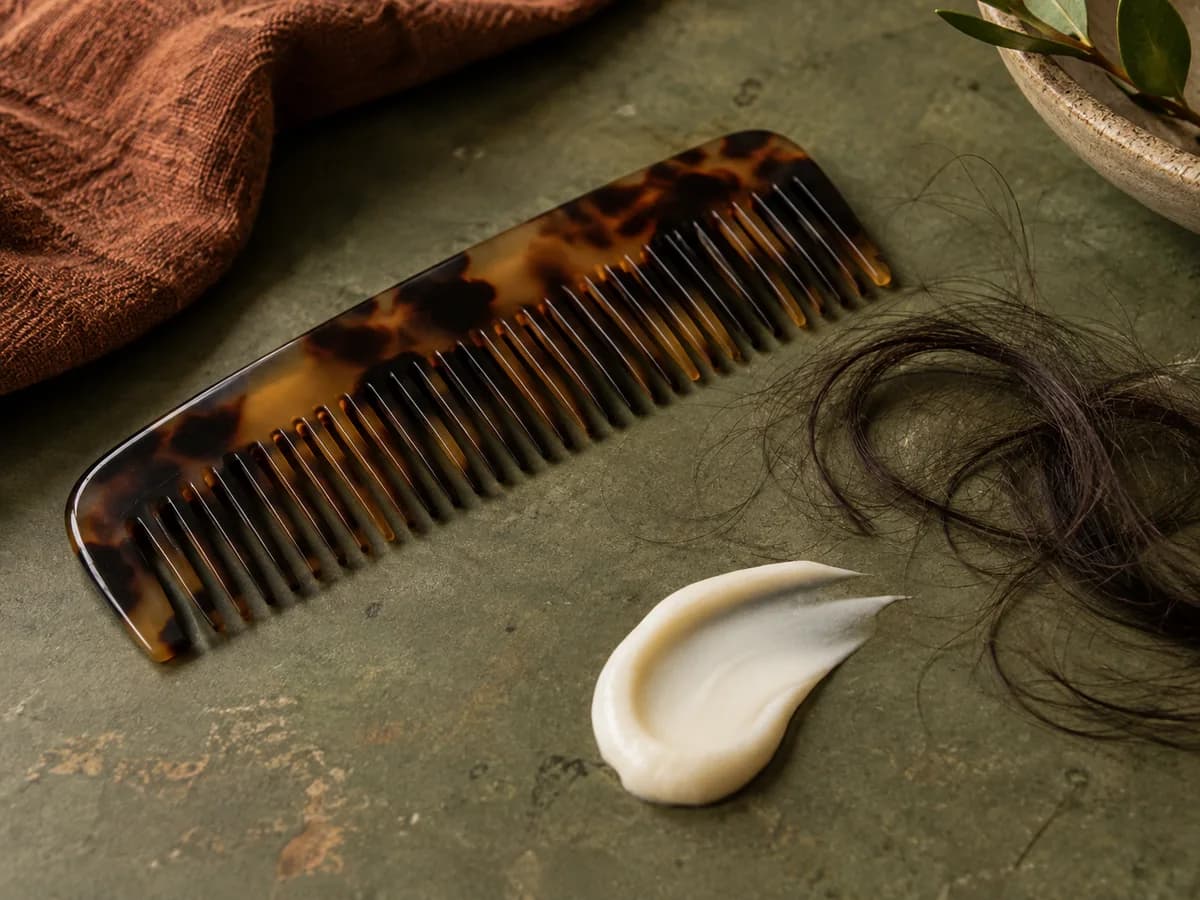
Cetrimonium chloride is a cationic surfactant used in hair conditioners and antistatic formulas. Its cosmetic role is to improve handling of hair, not to regrow follicles. CIR assessed trimonium ingredients as safe under the reported uses when the finished product is formulated to be nonirritating.1
- A quaternary ammonium conditioning ingredient.1
- Reported functions include antistatic and hair-conditioning use.1
- CIR's conclusion requires nonirritating formulations.1
What is Cetrimonium Chloride?
The positive charge is relevant to how a conditioner interacts with hair. This chemistry is different from the cleansing role of many anionic shampoo surfactants. Cetrimonium chloride is also not cetrimonium bromide: the counter-ion and intended formulation should remain attached to any safety claim.1
Where it comes from
Natural sources
- Not a botanical extract; the origin of a fatty feedstock does not make the final surfactant unprocessed.
How it's made
Manufactured quaternary ammonium salt with a chloride counter-ion.
What it does in products
Benefits
Conditioning and manageability
limited evidenceCetrimonium chloride has a documented conditioning role. That supports its presence in a detangling formula, not a promise of hair growth or permanent fiber repair.1
The CIR group assessment documents cosmetic functions and safety, using data across related trimoniums. It is not a clinical alopecia trial or a head-to-head conditioner performance test.
Evidence scope and limitations
Cetrimonium chloride in cosmetic hair products, interpreted within the trimonium group safety assessment.
- Some group conclusions rely on related-compound data rather than tests of every ingredient.
- Safety and conditioning function do not establish a hair-regrowth benefit.
Evidence last checked: 2026-10-01
Side effects & safety
Safety considerations
- Compatibility with other surfactants is a formulation question, not a consumer supplement interaction.
- Not for: Avoid eye contact and discontinue a product that repeatedly irritates the scalp.
- Not for: A known ingredient allergy requires avoidance even when a group assessment is favorable.
Amounts studied & product use
These figures describe research or common product use, not a personal dose or treatment recommendation.
In skincare studies and products
No single concentration fits all conditioners. The CIR assessment distinguishes product types and exposure; raw-material percentages must not be copied into a leave-on or DIY product without formulation assessment.
Regulatory status
- A U.S. cosmetic conditioning ingredient. A cosmetic safety review does not grant FDA approval for hair-regrowth claims.
- INCI name on cosmetic labels: Cetrimonium Chloride.
- Included in the 2012 trimonium group assessment, with a nonirritating-formulation qualification.
Rinse-off is not the same exposure as leave-on
A rinse-out conditioner contacts skin differently from a leave-in cream or a concentrated raw ingredient. Product type, amount, contact time and the rest of the formula belong in the safety question.
The word chloride also does not turn this ingredient into chlorine bleach. Consumer evaluation is more useful when it focuses on the actual finished conditioner than on fragments of its chemical name.
1Frequently asked questions
Is it the same as behentrimonium chloride?
No. They are related conditioning salts but have different alkyl-chain profiles. Data sharing in a group safety assessment does not make their performance or exact use levels interchangeable.1
Does it repair hair permanently?
The cited assessment supports conditioning and antistatic functions, not permanent reconstruction of damaged fibers or new hair growth.1
The bottom line
Judge the finished conditioner and exposure, not the word chloride. Conditioning performance and follicle growth are separate claims.
References
- Becker LC, Bergfeld WF, Belsito DV et al.. Safety assessment of trimoniums as used in cosmetics. International Journal of Toxicology / Cosmetic Ingredient Review (2012) · safety assessment · PMID 23283705; DOI 10.1177/1091581812467378
- Allergens in Cosmetics. U.S. Food and Drug Administration · government guidance · Undated live resource; accessed October 1, 2026
- FDA Authority Over Cosmetics: How Cosmetics Are Not FDA-Approved, but Are FDA-Regulated. U.S. Food and Drug Administration (2013) · government guidance · Page updated August 3, 2013; accessed October 1, 2026
Revision history
- Initial AI-assisted evidence compilation with source-linked claims, formulation distinctions and explicit research limitations; not independent medical review.