Ceteareth-20
An ethoxylated fatty-alcohol emulsifier: the number describes chemistry, not a 20% cream concentration.
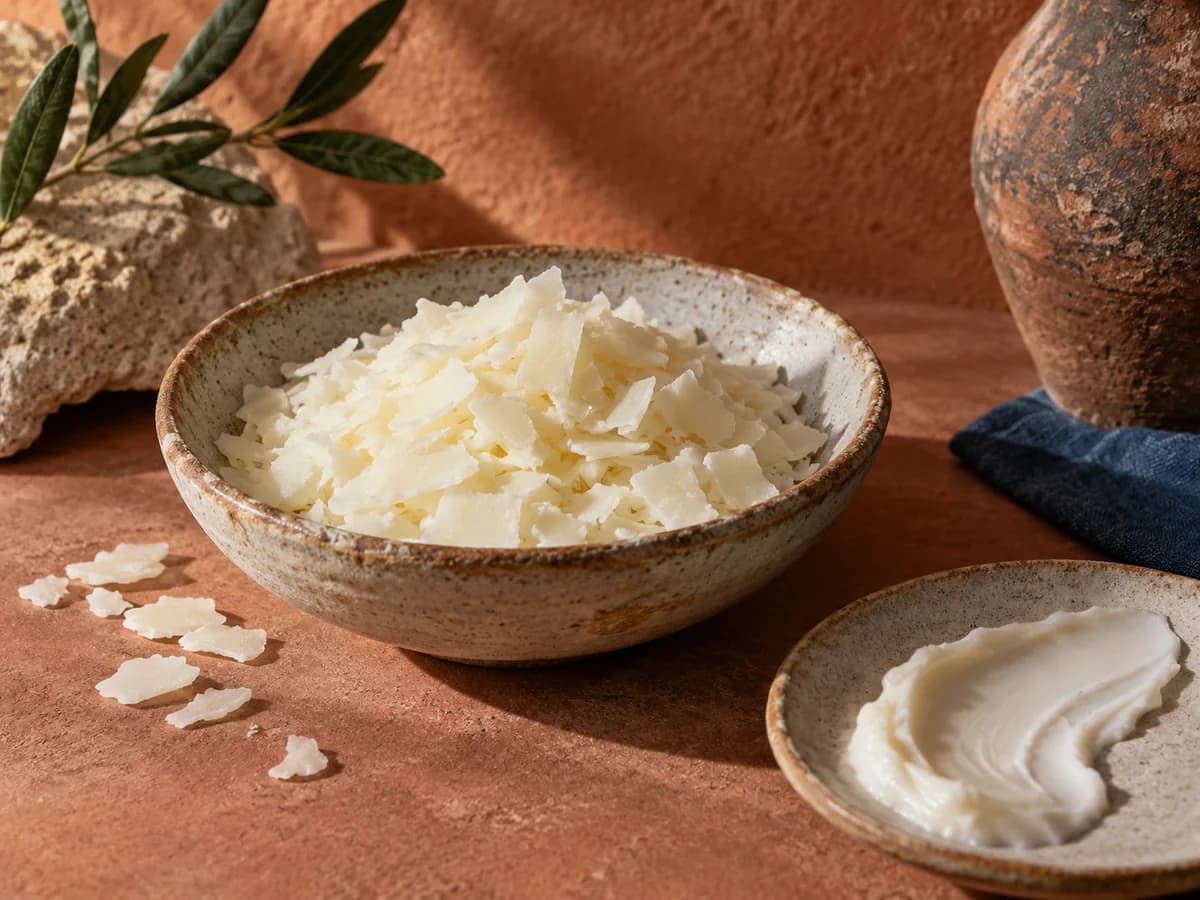
Ceteareth-20 is a nonionic emulsifier made from ethoxylated cetearyl alcohol. It helps a cream combine oil and water; the 20 is not its percentage in the jar. The original CIR ceteareth report supported cosmetic use with a damaged-skin caution, while broader related-ether assessments emphasize nonirritating formulations.1, 2
- A PEG ether of cetearyl alcohol.1
- The suffix is not a product concentration.1
- The original report cautioned against use on damaged skin.1
What is Ceteareth-20?
A moisturizer needs more than headline actives: its phases must stay mixed and spread predictably. Ceteareth-20 helps perform that formulation job. It is not equivalent to unmodified cetearyl alcohol, and the presence of ethylene-oxide-derived chemistry does not tell you the impurity level in a finished cream.1
Where it comes from
Natural sources
- Fatty feedstocks can have plant or other origins; the finished emulsifier is chemically processed.
How it's made
Manufactured by ethoxylating cetearyl alcohol, with control of residual impurities.
What it does in products
Benefits
A stable, spreadable emulsion
limited evidenceEvidence scope and limitations
Cosmetic ceteareth-20, the original ceteareth report and contextual alkyl PEG/PPG-ether safety literature.
- Historical group safety data do not test every current cream.
- No impurity measurement or personal risk estimate is inferred from an INCI name.
Evidence last checked: 2026-10-01
Side effects & safety
Safety considerations
- Residual ethoxylation impurities are manufacturing-quality issues; their concentration cannot be inferred from the ingredient name.
- Not for: The original ceteareth report cautioned against damaged-skin use.
- Not for: Avoid a product after a confirmed ingredient reaction.
Amounts studied & product use
These figures describe research or common product use, not a personal dose or treatment recommendation.
In skincare studies and products
No universal use percentage is recommended here. The 20 is a chemistry designation, and the required emulsifier level depends on the oil/water system and product type.
Regulatory status
- A U.S. cosmetic formulation ingredient, not an individually FDA-approved cream treatment.
- INCI name on cosmetic labels: Ceteareth-20.
- Original ceteareth assessment published in 1999; broader ether-family evidence must be interpreted within its scope.
The ingredient list cannot measure manufacturing impurities
Ethoxylated ingredients require appropriate manufacturing and purification. Knowing the ingredient's family is not equivalent to measuring residual contamination in a particular product.
It is equally misleading to promise zero concern for every formula or to equate an ethoxylated emulsifier with direct exposure to its manufacturing starting materials. Product quality and intended exposure need separate evidence.
1, 2Frequently asked questions
Does ceteareth-20 mean 20% of the cream?
No. It is part of the ingredient's chemistry designation, not the formula's declared use level.1
Is it the same as cetearyl alcohol?
No. Ceteareth-20 is an ethoxylated derivative with an emulsifier role; evidence about the parent fatty alcohol should not be treated as a test of every derivative.1
The bottom line
Read ceteareth-20 as an emulsifier and keep manufacturing quality, product exposure and damaged-skin cautions in view.
References
- Final Report on the Safety Assessment of Ceteareth-2 through Ceteareth-100. International Journal of Toxicology / CIR (1999) · safety assessment · DOI 10.1177/109158189901800306
- Fiume MM, Heldreth B, Bergfeld WF et al.. Safety Assessment of Alkyl PEG/PPG Ethers as Used in Cosmetics. International Journal of Toxicology / Cosmetic Ingredient Review (2016) · safety assessment · PMID 27383199; DOI 10.1177/1091581816650626
- FDA Authority Over Cosmetics: How Cosmetics Are Not FDA-Approved, but Are FDA-Regulated. U.S. Food and Drug Administration (2013) · government guidance · Page updated August 3, 2013; accessed October 1, 2026
Revision history
- Initial AI-assisted evidence compilation with source-linked claims, formulation distinctions and explicit research limitations; not independent medical review.