Glyceryl Stearate
Also known as: Glycerol monostearate, Glyceryl monostearate, GMS, Glyceryl Stearate SE
A glycerin-and-stearic-acid ester that helps oil and water stay mixed while adding body and slip.
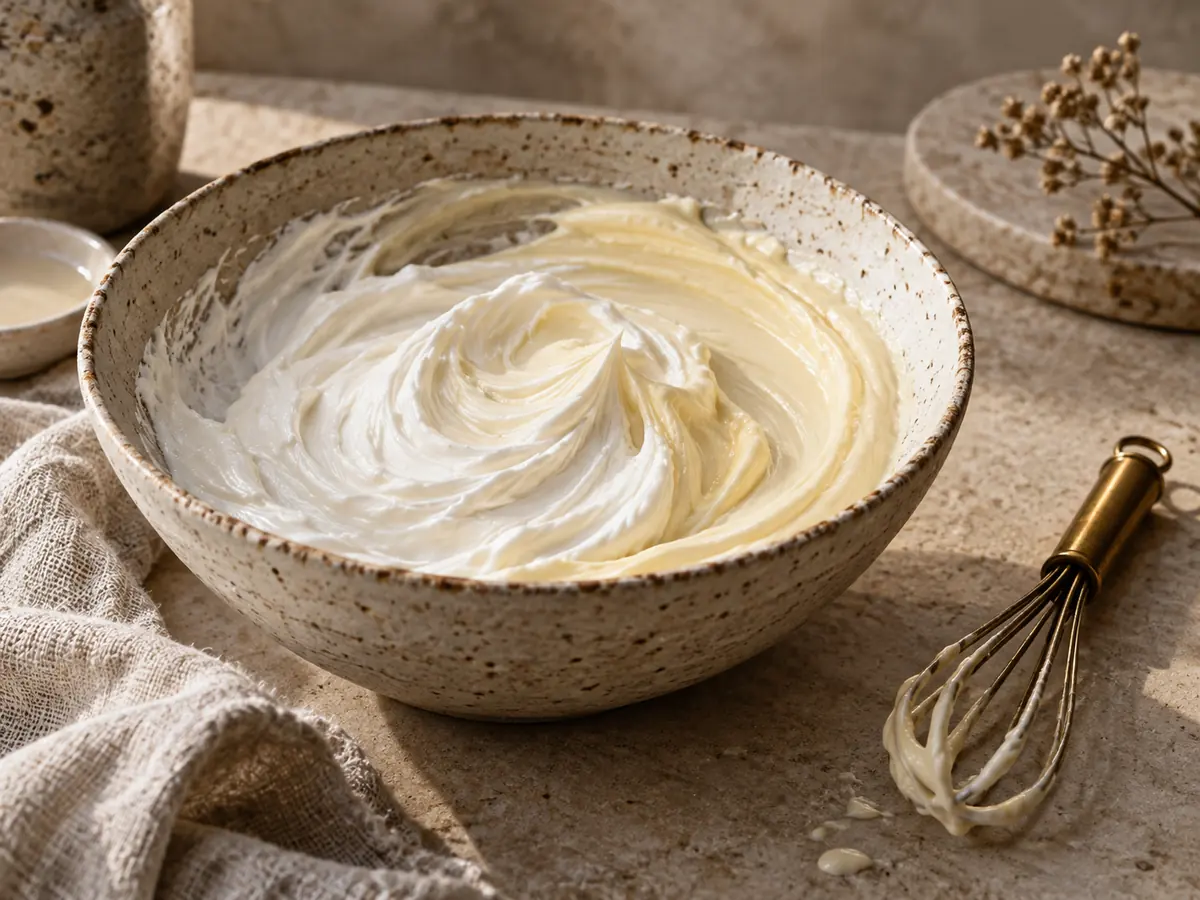
Glyceryl stearate is a fatty ester used as an emulsifier, emollient, and consistency agent. It helps stabilize creams and reduce the greasy feel of oil phases. Glyceryl Stearate SE is a self-emulsifying grade with added soap or surfactant components, so it is not automatically interchangeable with plain glyceryl stearate.2
- Built from glycerin and stearic acid1, 2
- Supports oil-in-water emulsions1, 2
- Adds body and soft slip1, 2
- SE grades contain additional emulsifying components1, 2
What is Glyceryl Stearate?
A cream needs an interfacial system to keep oil droplets distributed through water. Glyceryl stearate can occupy that interface while also influencing crystal structure and texture.1, 2
Where it comes from
Natural sources
- Glycerin and stearic-acid feedstocks may come from plant or animal fats
How it's made
The components are esterified and purified; SE grades are blended or processed for self-emulsification.
What it does in products
Benefits
More stable cream texture
moderate evidenceIt helps organize and stabilize oil-in-water emulsions when paired with the rest of the emulsifier system.2
Stability must be demonstrated in the finished formula across temperature and time.
Softer skin feel
limited evidenceThe fatty ester can reduce rough sensory drag and leave an emollient film.2
Sensory benefit is formula-dependent and does not establish treatment of barrier disease.
Evidence scope and limitations
Cosmetic glyceryl stearate and related grades are covered; food-emulsifier exposure is outside scope.
- Commercial grades differ in composition.
- Ingredient data cannot predict emulsion stability or acne outcomes.
Evidence last checked: 2026-09-28
Side effects & safety
Safety considerations
- No special warning is established for normal cosmetic use.
- Not for: Known sensitivity to the product
Amounts studied & product use
These figures describe research or common product use, not a personal dose or treatment recommendation.
In skincare studies and products
Used across a broad formula-dependent range; emulsifier selection and stability testing determine the practical amount.
Regulatory status
- A cosmetic excipient rather than an FDA-approved moisturizer active.
- INCI name on cosmetic labels: Glyceryl Stearate.
- Covered by CIR assessments of glyceryl esters.
Plain and SE grades are not synonyms
Self-emulsifying glyceryl stearate contains additional emulsifying material. Swapping grades can change pH behavior, viscosity, and stability even when the front of a supplier name looks similar.
2Frequently asked questions
The bottom line
Glyceryl stearate is structural: it helps a cream remain a cream and feel smoother, but its performance belongs to the whole emulsion.
References
- Glyceryl stearate: compound summary. PubChem, National Library of Medicine (2026) · ingredient monograph · CID 93066
- Safety Assessment of Monoglyceryl Monoesters as Used in Cosmetics. Cosmetic Ingredient Review (2026) · safety assessment
- FDA Authority Over Cosmetics: How Cosmetics Are Not FDA-Approved, but Are FDA-Regulated. U.S. Food and Drug Administration (2013) · government guidance
Revision history
- Initial publication with claim-level citations, formulation limits, safety context, and editorial evidence review.