Other Ingredients
A catch-all category for ingredients that do not fit neatly into the other groups: chelators, pH adjusters, flavorings, and specialty compounds. Browse 55 entries in this category.
Illustrated guides
Selected entries interpreted through varied editorial art and photography.
Allulose
A low-energy rare sugar with distinct U.S. labeling rules; acute glucose findings and short tolerance studies are not a diabetes treatment.
Aluminum Chlorohydrate
A specific topical antiperspirant active; a 25% ingredient limit is not 25% elemental aluminum or a DIY formulation target.
Aspartame
A dipeptide sweetener with a phenylalanine warning; hazard classification, permitted exposure and weight-control evidence answer different questions.
Benzocaine
A local anesthetic with limited short-term relief evidence and a serious methemoglobinemia warning; it is not a teething remedy.
Bismuth Subsalicylate
An oral antidiarrheal containing salicylate; relief, travel prevention and warning-sign assessment are different decisions.
Caffeine
The world's favorite stimulant — proven for performance and alertness, with clear safe limits and a hidden risk in powders.
Calamine
A topical skin protectant for defined uses; drying a weeping poison-plant rash is not the same as diagnosing or curing every itchy rash.
Camphor
A topical medicine ingredient whose allowed use depends on concentration and formulation; swallowing it can cause serious poisoning.
Citicoline
A distinct choline-containing compound with a limited memory signal, not an established general cognition or stroke treatment.
D-Mannose
A sugar marketed for urinary health; a large placebo-controlled community trial did not support recurrent-UTI prevention.
D-ribose
A pentose sugar with small cardiac feasibility studies, a glucose-lowering caution and exposure-dependent food safety assessments.
Diosmin
A phlebotonic flavonoid studied for venous symptoms; single-ingredient diosmin and micronized flavonoid mixtures are not the same intervention.
Ecamsule (Mexoryl SX)
A UVA filter with a U.S. product-specific approval history, not a blanket approval of every international sunscreen using the name.
Ensulizole
A primarily UVB-filtering sunscreen ingredient; monograph marketing conditions and requests for more safety data are different regulatory questions.
Hydroxyapatite
An oral-care calcium-phosphate material whose clinical performance and nano-particle safety must be assessed separately.
Inosine
A purine nucleoside whose urate-raising action did not deliver the hoped-for Parkinson disease benefit.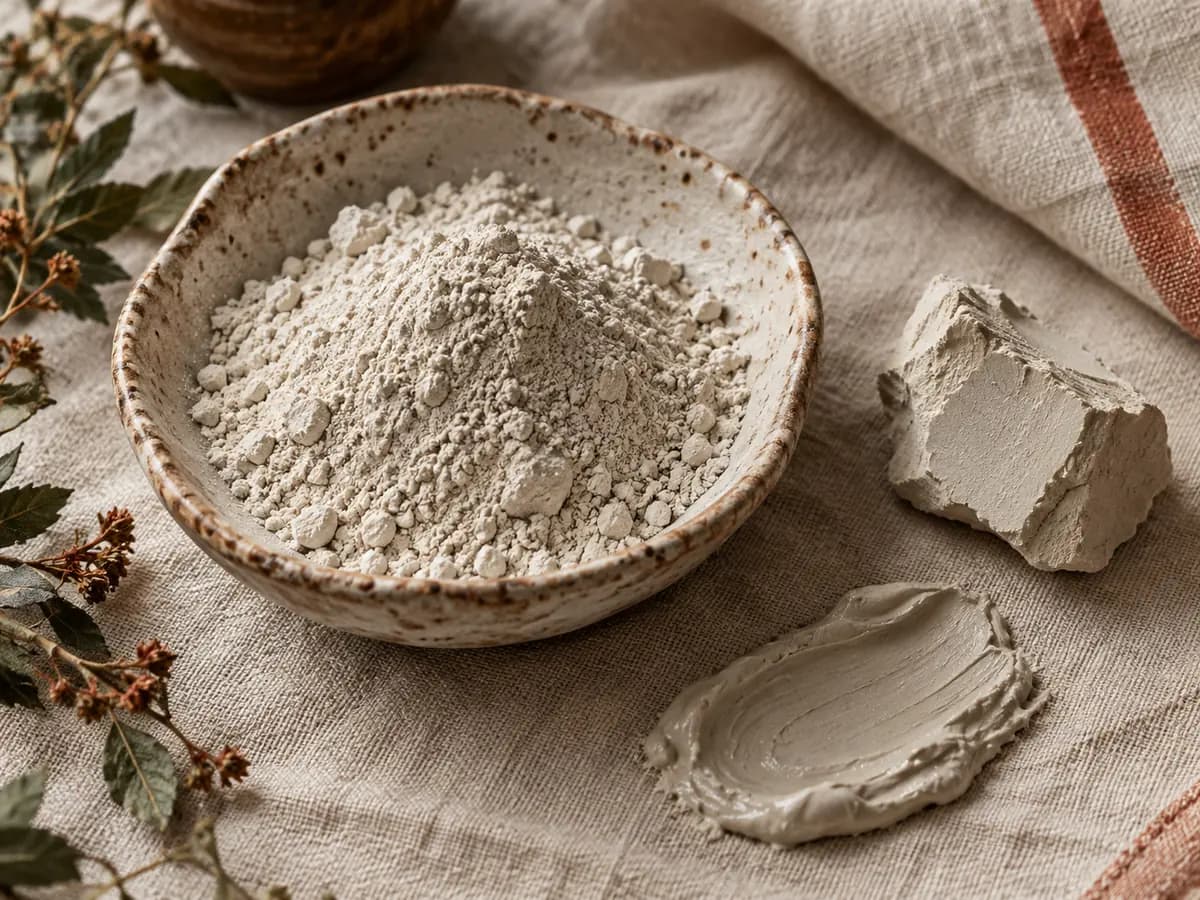
Kaolin
A mineral clay used for cosmetic absorption and texture; finished-product safety is different from chronic dust exposure or oral detox claims.
Melatonin
The sleep-wake hormone, taken as the most popular OTC sleep aid in the US — best for jet lag and falling asleep faster.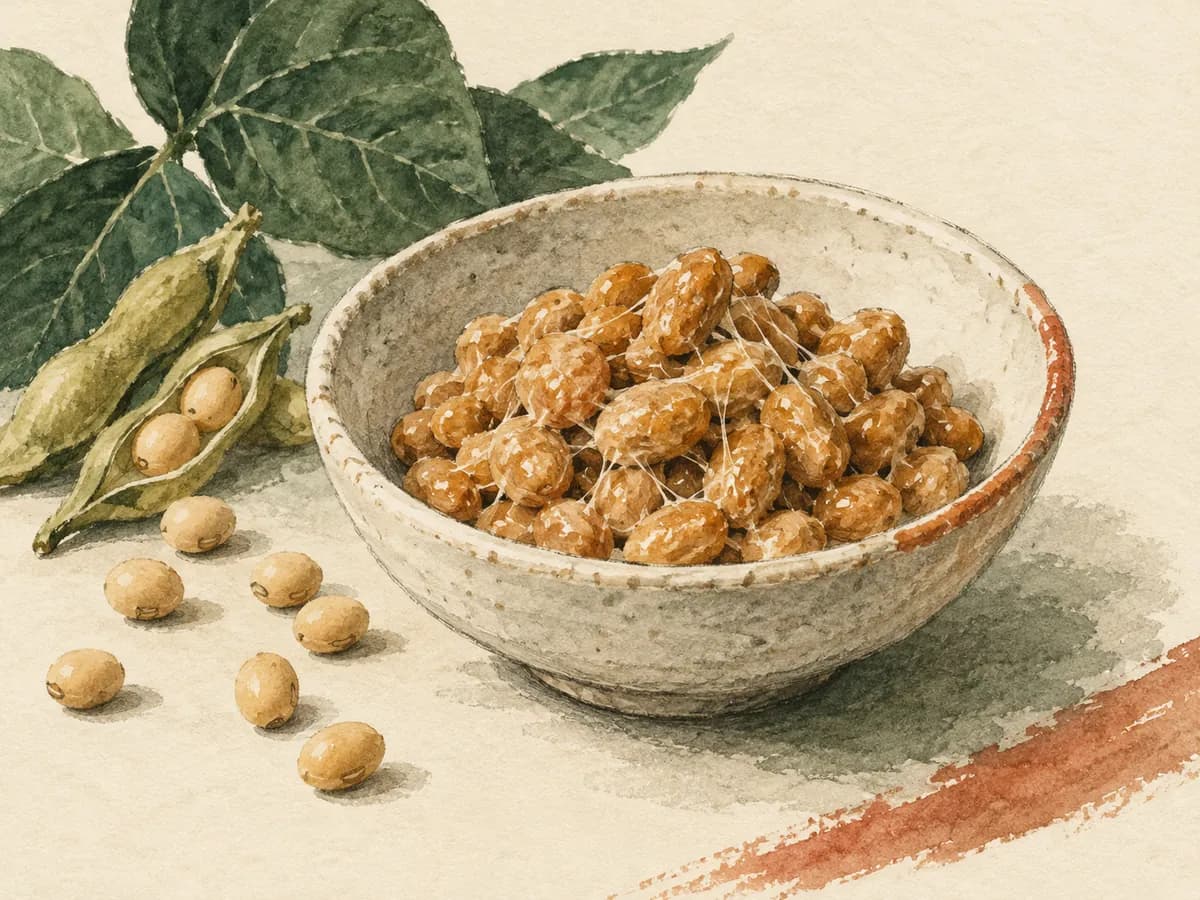
Nattokinase
A fermented-soy enzyme with limited blood-pressure signals; clot-dissolving language overstates the demonstrated oral clinical evidence.
Octisalate
An oil-soluble UVB filter that supports sunscreen formulas but does not provide broad-spectrum protection by itself.
Potassium Nitrate
A sensitivity-toothpaste active whose evidence depends on the formula, stimulus and duration—not the potassium name alone.
Povidone-Iodine
An antiseptic ingredient whose concentration, vehicle and route matter; surgical skin evidence cannot authorize a homemade nasal or oral preparation.
Saccharin
An intense sweetener whose old rat-cancer warning and conflicting short human glucose studies should not be treated as the same safety question.
Spermidine
A polyamine studied in wheat-germ extracts; cellular autophagy research is not a demonstrated memory or human-longevity benefit.
Spirulina
The protein-rich microalgae — real effects on lipids and antioxidants, but not the B12 source its reputation suggests.
Sucralose
A high-intensity sweetener; authorized-use safety, prolonged heating and long-term weight-control evidence are separate questions.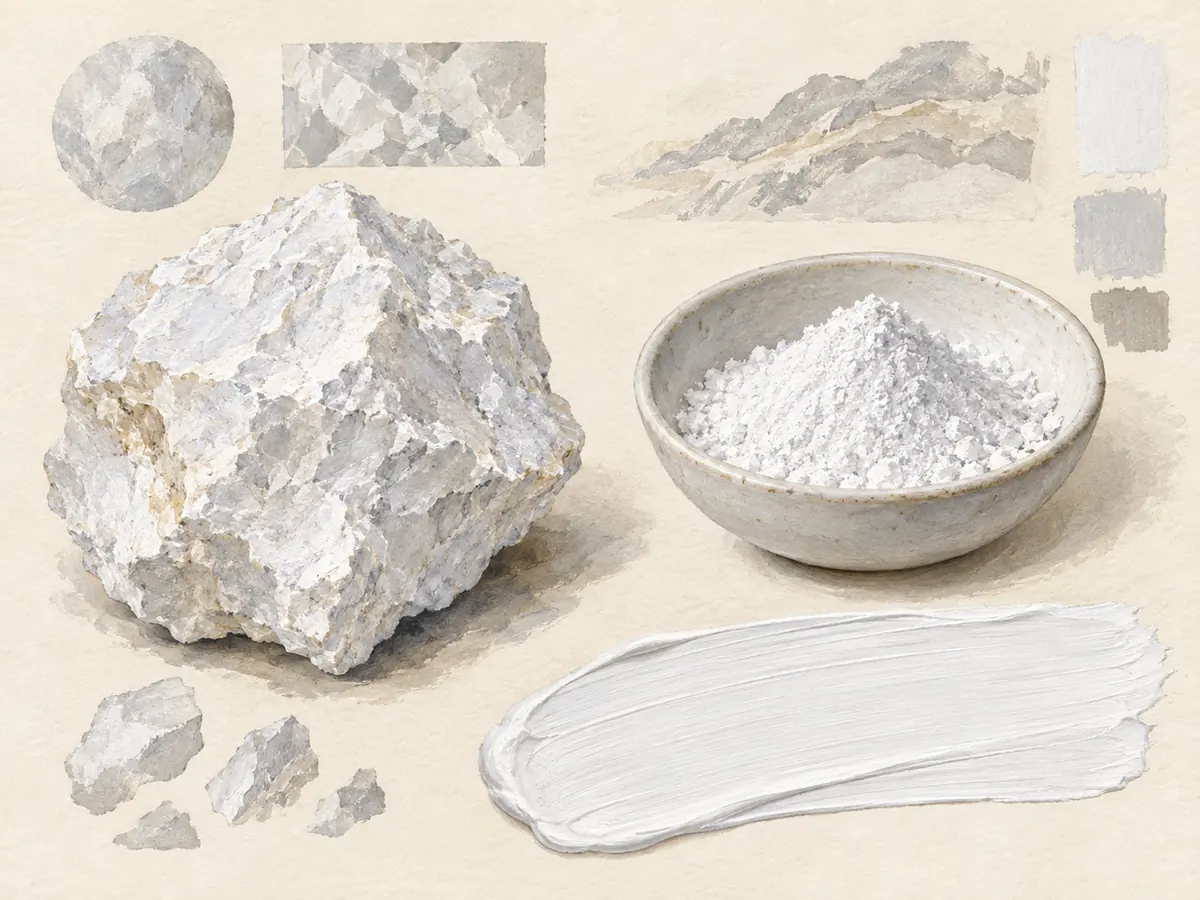
Titanium Dioxide
A mineral UV filter and white pigment whose safety context changes sharply between intact-skin use and inhalable powder.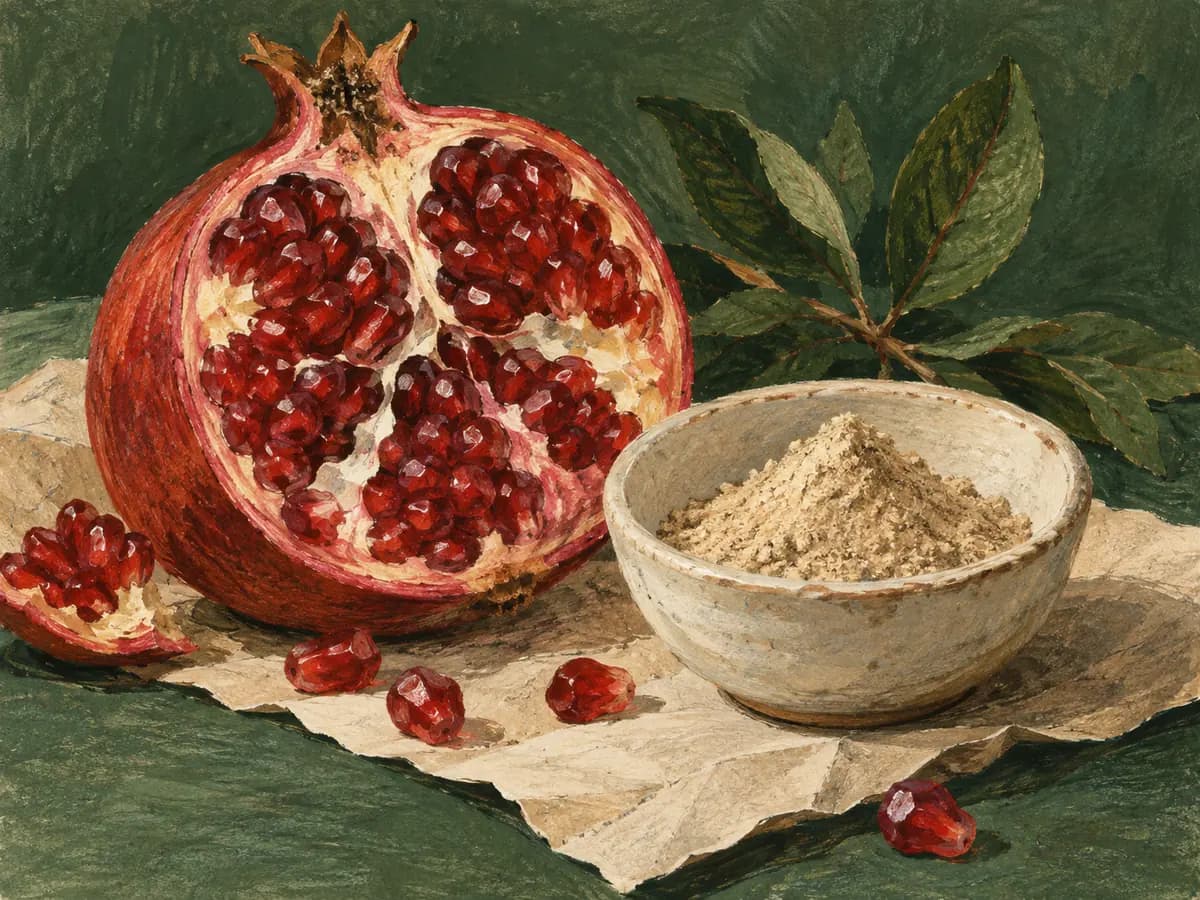
Urolithin A
A microbiota-derived metabolite with exploratory muscle findings, not established human longevity or a reproducible mobility benefit.Other Ingredients
- 01AlluloseA low-energy rare sugar with distinct U.S. labeling rules; acute glucose findings and short tolerance studies are not a diabetes treatment.
- 02Alpha-GPCThe brain-penetrant choline — a nootropic with modest attention data and a real prescription career in Europe.
- 03Aluminum ChlorohydrateA specific topical antiperspirant active; a 25% ingredient limit is not 25% elemental aluminum or a DIY formulation target.
- 04AspartameA dipeptide sweetener with a phenylalanine warning; hazard classification, permitted exposure and weight-control evidence answer different questions.
- 05AvobenzoneThe only true UVA filter in most US sunscreens — excellent long-wave protection, famously unstable unless stabilized.
- 06Bee PollenThe hive's multi-flower multivitamin — nutrient-dense pollen with thin clinical data and a serious allergy asterisk.
- 07Beetroot (Nitrates)The vegetable with a performance profile — dietary nitrates lower blood pressure and help endurance through real chemistry.
- 08BenzocaineA local anesthetic with limited short-term relief evidence and a serious methemoglobinemia warning; it is not a teething remedy.
- 09Bismuth SubsalicylateAn oral antidiarrheal containing salicylate; relief, travel prevention and warning-sign assessment are different decisions.
- 10Cacao (Cocoa)The flavanol powerhouse behind dark chocolate — real blood-pressure and vascular data, minus the sugar marketing.
- 11CaffeineThe world's favorite stimulant — proven for performance and alertness, with clear safe limits and a hidden risk in powders.
- 12CalamineA topical skin protectant for defined uses; drying a weeping poison-plant rash is not the same as diagnosing or curing every itchy rash.
- 13CamphorA topical medicine ingredient whose allowed use depends on concentration and formulation; swallowing it can cause serious poisoning.
- 14ChlorellaThe detox-marketed green algae — real nutrition, genuine metal-binding chemistry, and heavily overclaimed cleansing powers.
- 15ChondroitinCartilage's shock-absorber molecule — an osteoarthritis staple that draws water into joints, with real if modest evidence.
- 16CiticolineA distinct choline-containing compound with a limited memory signal, not an established general cognition or stroke treatment.
- 17ColostrumThe first-milk concentrate — immunoglobulins for gut and immunity, with sports-recovery data on the side.
- 18D-MannoseA sugar marketed for urinary health; a large placebo-controlled community trial did not support recurrent-UTI prevention.
- 19D-riboseA pentose sugar with small cardiac feasibility studies, a glucose-lowering caution and exposure-dependent food safety assessments.
- 20DHEAThe aging hormone — a genuine steroid with real effects and real regulatory caution; not a casual supplement.
- 21DiosminA phlebotonic flavonoid studied for venous symptoms; single-ingredient diosmin and micronized flavonoid mixtures are not the same intervention.
- 22Ecamsule (Mexoryl SX)A UVA filter with a U.S. product-specific approval history, not a blanket approval of every international sunscreen using the name.
- 23EnsulizoleA primarily UVB-filtering sunscreen ingredient; monograph marketing conditions and requests for more safety data are different regulatory questions.
- 24ErythritolThe zero-calorie sugar alcohol that behaves — near-zero glycemic impact, no tooth decay, and one contested cardiovascular study.
- 25GlucosamineThe joint-cartilage building block — osteoarthritis trials that split along a sulfate-vs-HCl fault line.
- 26HomosalateThe sunscreen solvent that also filters — ubiquitous at high concentrations, with an EU limit and absorption scrutiny.
- 27Huperzine AThe club-moss acetylcholinesterase inhibitor — an Alzheimer's drug in China, a cognitive nootropic elsewhere.
- 28HydroxyapatiteAn oral-care calcium-phosphate material whose clinical performance and nano-particle safety must be assessed separately.
- 29InosineA purine nucleoside whose urate-raising action did not deliver the hoped-for Parkinson disease benefit.
- 30KaolinA mineral clay used for cosmetic absorption and texture; finished-product safety is different from chronic dust exposure or oral detox claims.
- 31KetoconazoleThe antifungal behind Nizoral — first-line for dandruff and seborrheic dermatitis, with a quiet anti-androgen bonus for hair.
- 32MelatoninThe sleep-wake hormone, taken as the most popular OTC sleep aid in the US — best for jet lag and falling asleep faster.
- 33MinoxidilThe FDA-approved hair-loss drug — a blood-flow booster that regrows hair in most consistent users, with a famous shedding phase.
- 34Monk FruitThe monk's sweet melon — mogrosides deliver sugar-level sweetness with zero calories and no blood-sugar impact.
- 35NattokinaseA fermented-soy enzyme with limited blood-pressure signals; clot-dissolving language overstates the demonstrated oral clinical evidence.
- 36OctinoxateThe workhorse UVB filter — light, cheap, and ubiquitous in cosmetics, with endocrine questions and a reef-ban footnote.
- 37OctisalateAn oil-soluble UVB filter that supports sunscreen formulas but does not provide broad-spectrum protection by itself.
- 38OctocryleneThe stabilizer-filter hybrid — UVB absorption plus the molecule that keeps avobenzone alive, with a degradation debate.
- 39OxybenzoneThe most scrutinized sunscreen active — effective UV filtering, measurable absorption, and the reef-ban debate.
- 40Potassium NitrateA sensitivity-toothpaste active whose evidence depends on the formula, stimulus and duration—not the potassium name alone.
- 41Povidone-IodineAn antiseptic ingredient whose concentration, vehicle and route matter; surgical skin evidence cannot authorize a homemade nasal or oral preparation.
- 42Royal JellyThe queen bee's food — a protein-and-fat secretion with menopause and lipid hints, and a strict allergy asterisk.
- 43SaccharinAn intense sweetener whose old rat-cancer warning and conflicting short human glucose studies should not be treated as the same safety question.
- 44SAM-eThe body's universal methyl donor — an actual antidepressant drug in Europe, with joint and liver evidence too.
- 45Selenium SulfideThe dandruff-fighting anti-fungal with a cytotoxic bonus — an OTC staple for scalp conditions, used with respect and rinsing.
- 46Sodium BicarbonateThe kitchen chemical with a sports-science career — buffering acid is real performance ergogenics, antacid use included.
- 47SpermidineA polyamine studied in wheat-germ extracts; cellular autophagy research is not a demonstrated memory or human-longevity benefit.
- 48SpirulinaThe protein-rich microalgae — real effects on lipids and antioxidants, but not the B12 source its reputation suggests.
- 49SteviaThe sweet leaf of Paraguay — zero-calorie sweetness with real blood-pressure data and a divisive aftertaste.
- 50SucraloseA high-intensity sweetener; authorized-use safety, prolonged heating and long-term weight-control evidence are separate questions.
- 51Titanium DioxideA mineral UV filter and white pigment whose safety context changes sharply between intact-skin use and inhalable powder.
- 52Urolithin AA microbiota-derived metabolite with exploratory muscle findings, not established human longevity or a reproducible mobility benefit.
- 53XylitolThe tooth-friendly sugar alcohol — proven cavity prevention in gum and mints, and fatally toxic to dogs.
- 54Zinc OxideThe mineral shield — a broad-spectrum UV blocker that sits on skin, soothes diaper rash, and anchors reef-safe sunscreens.
- 55Zinc PyrithioneThe anti-dandruff and anti-acne antimicrobial — effective against Malassezia and more, with a European regulation twist.