Kaolin
Also known as: China clay, Kaolin clay
A mineral clay used for cosmetic absorption and texture; finished-product safety is different from chronic dust exposure or oral detox claims.
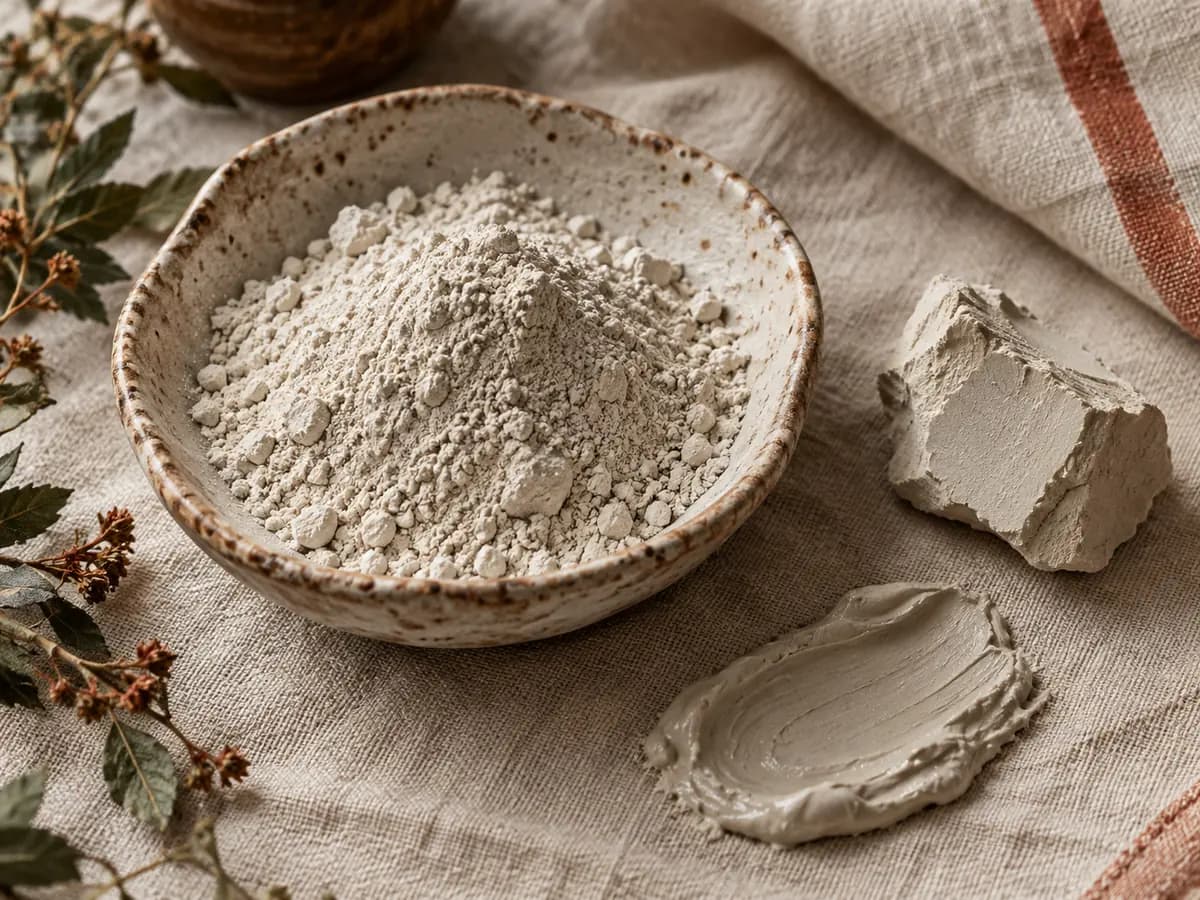
Kaolin is a mineral clay, mainly kaolinite, used in cosmetics as an absorbent and texture ingredient. CIR's final assessment supports its reported cosmetic uses and concentrations. That is not evidence that a mask treats acne, that any mined powder is cosmetic-grade, or that swallowing clay removes toxins from the body.2, 1, 4
- Kaolin's main mineral is kaolinite; natural deposits can contain other minerals.2
- CIR's amended final report was released in 2023 and published in the journal in 2026.1
- NIOSH's dust information concerns occupational exposure, not the risk from one face mask.3
What is Kaolin?
China clay is a material name, not a purity certificate. WHO describes kaolin as a mineral mixture that can also contain quartz, mica and other minerals. Mineralogy, processing and exposure route matter; the same pale appearance does not make industrial powder, a finished mask and an ingested material interchangeable.2
Where it comes from
Natural sources
- Clay deposits formed through rock weathering
How it's made
Commercial kaolin is mined and processed; a cosmetic ingredient name does not establish impurity levels or the specification of a particular batch.
What it does in products
Benefits
Absorbency and formulation texture
limited evidenceThese are reported physical formulation functions, not demonstrated treatment of an underlying acne condition or permanent pore reduction.1, 4
CIR is a safety assessment drawing on toxicology and reported cosmetic uses, not a randomized efficacy trial of a kaolin mask. Its funding comes through the cosmetics industry; it should not be presented as an independent FDA approval.
Evidence scope and limitations
Processed kaolin in described cosmetic uses and route-specific occupational guidance; not oral clay therapy, every mined clay or every aerosol application.
- CIR's cosmetic assessment does not establish acne or detox efficacy.
- Reported use concentrations are not optimized doses or specifications for all materials.
- Workplace exposures cannot estimate the risk from an individual finished cosmetic product.
- Natural mineral mixtures differ in impurities; the guide does not authenticate a supplier or batch.
Evidence last checked: 2026-10-10
Side effects & safety
Safety considerations
- Cosmetic-use evidence does not establish the safety or medicine-binding effects of intentionally ingesting clay; oral use is outside this guide's assessed scope.
- Not for: Do not breathe loose powder deliberately or use industrial material as a substitute for a tested cosmetic formula.
- Not for: Follow a finished product's directions; persistent irritation requires assessment of the formula rather than assuming all clay materials are equivalent.
Amounts studied & product use
These figures describe research or common product use, not a personal dose or treatment recommendation.
In skincare studies and products
The reported concentration depends on product type. CIR's 2022-use survey included up to 16% in leave-on face and neck products, with other categories differing. This is a historical exposure survey, not a universal safe ceiling, optimal mask percentage or DIY recipe.
Regulatory status
- FDA classifies products by intended use: cosmetic appearance or cleansing claims differ from disease-treatment claims. A CIR cosmetic safety conclusion does not approve a finished acne drug or an oral detox product.
- INCI name on cosmetic labels: Kaolin.
- The final amended clay assessment concludes kaolin is safe in the described cosmetic practices and concentrations; do not extend that to uncharacterized powders or every delivery method.
Cosmetic use and workplace dust answer different questions
Occupational kaolin reports involve repeated airborne exposure, sometimes mixed with other minerals. They are important hazard evidence, but cannot supply a consumer adverse-event percentage for a ready-mixed mask.
Our reading: ask about material specifications and how exposure occurs. A product-use safety assessment and a workplace dust limit are not contradictions or interchangeable approvals. A cosmetic label should not be used to justify swallowing the powder.
2, 3, 4Frequently asked questions
Is kaolin the same as every other clay?
No. Kaolinite-rich kaolin differs in mineral structure and properties from montmorillonite-rich bentonite. A shared clay label does not make their composition or exposure evidence identical.2
The bottom line
Treat kaolin as a specified formulation material, not a generic detox substance; keep cosmetic contact, dust inhalation and ingestion evidence separate.
References
- Burnett CL, Bergfeld WF, Belsito DV, Cohen DE, Klaassen CD, Liebler DC, Rettie AE, Ross D, Shank RC, Slaga TJ, Snyder PW, Tilton SC, Fiume MM, Heldreth B. Amended Safety Assessment of Naturally-Sourced Clays as Used in Cosmetics. International Journal of Toxicology / Cosmetic Ingredient Review (2026) · safety assessment · PMID 42313106; DOI 10.1177/10915818261455355; final CIR report released March 31, 2023; journal publication June 18, 2026
- Bentonite, Kaolin and Selected Clay Minerals. World Health Organization / International Programme on Chemical Safety (2005) · safety assessment · Environmental Health Criteria 231
- NIOSH Pocket Guide to Chemical Hazards: Kaolin. Centers for Disease Control and Prevention / NIOSH (2019) · government guidance · CAS 1332-58-7; reviewed October 30, 2019; occupational exposure scope
- Is It a Cosmetic, a Drug, or Both? (Or Is It Soap?). U.S. Food and Drug Administration · government guidance · Accessed October 10, 2026; classification depends on intended use
Revision history
- Initial AI-assisted source checks and claim-level citation mapping under the site-authorized publishing workflow. No separate human or independent medical review is claimed.