Humectants & Emollients
Humectants pull water into the skin (hyaluronic acid, glycerin), while emollients soften and smooth the surface (squalane, plant oils). They are the backbone of every moisturizer. Browse 34 entries in this category.
Illustrated guides
Selected entries interpreted through varied editorial art and photography.
Allantoin
A skin-conditioning ingredient that can also be an OTC skin-protectant active under specific U.S. labeling conditions.
Beta-Glucan
A family of polysaccharides whose skin, fiber, and immune claims depend heavily on source and molecular structure.
Butylene Glycol
A cosmetic solvent and humectant whose formulation role is better established than any standalone skin-treatment claim.
Glycerin
Skincare's hydration workhorse — the humectant in nearly everything, with barrier-repair evidence better than its humble reputation.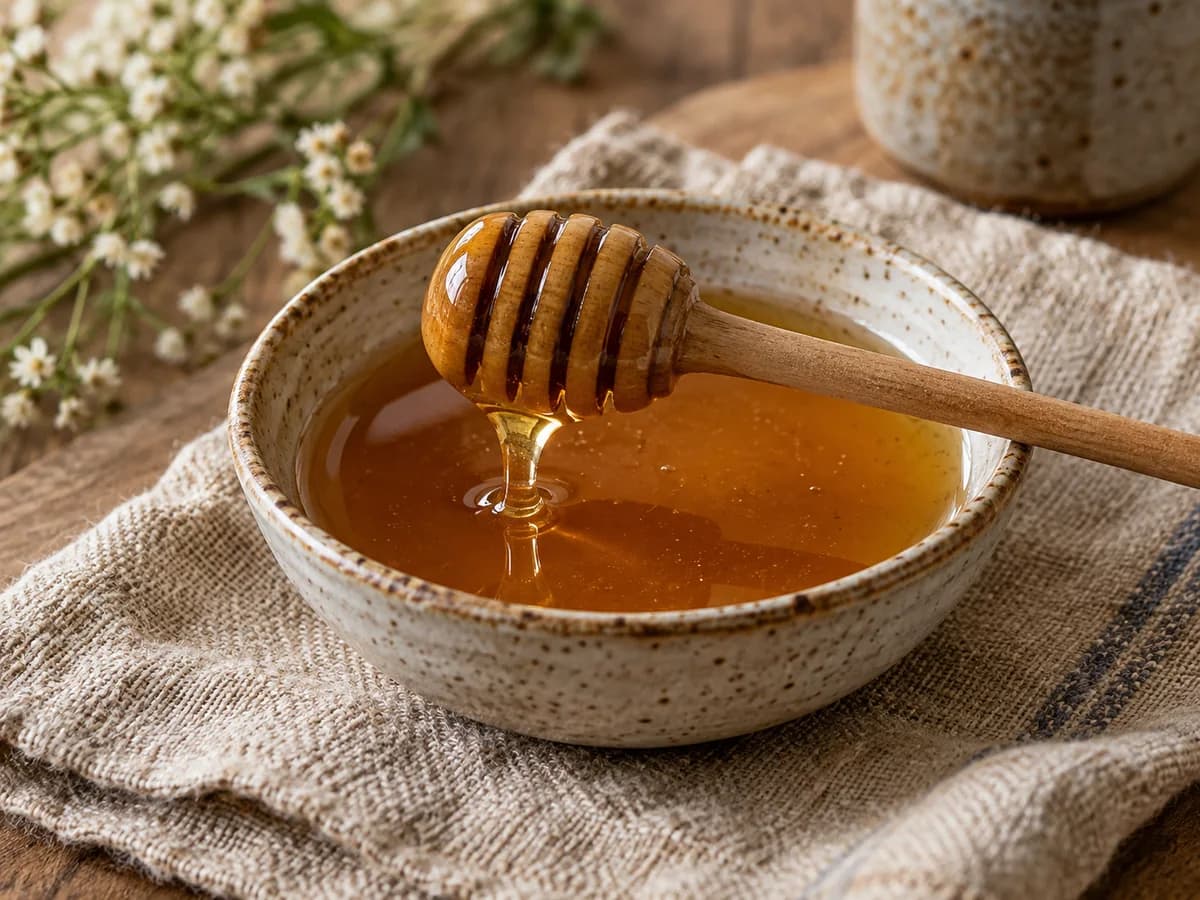
Honey (Skincare)
A sugar-rich skincare material whose wound-dressing evidence should not be transferred to kitchen honey or a rinse-off mask.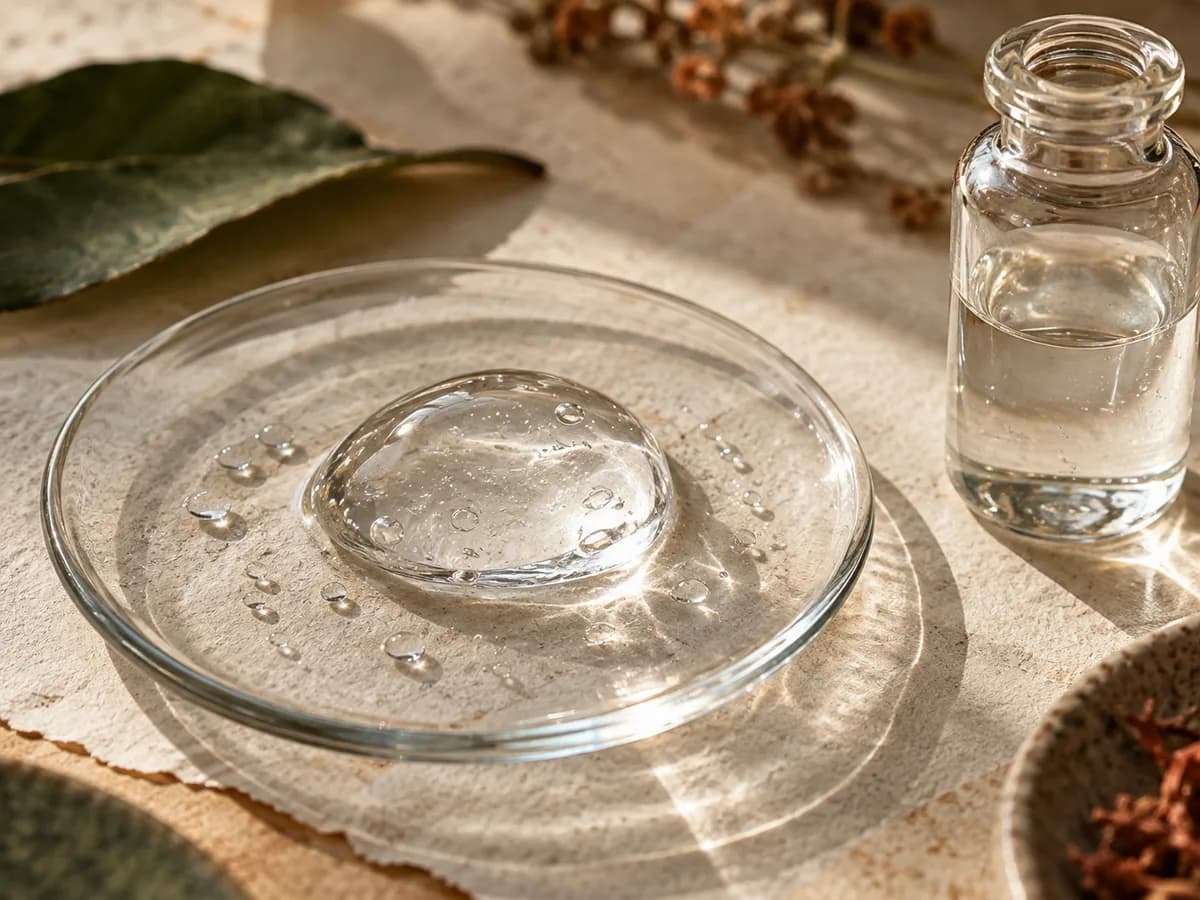
Hyaluronic Acid
A skin-identical humectant that binds up to 1,000 times its weight in water — the hydration backbone of modern skincare.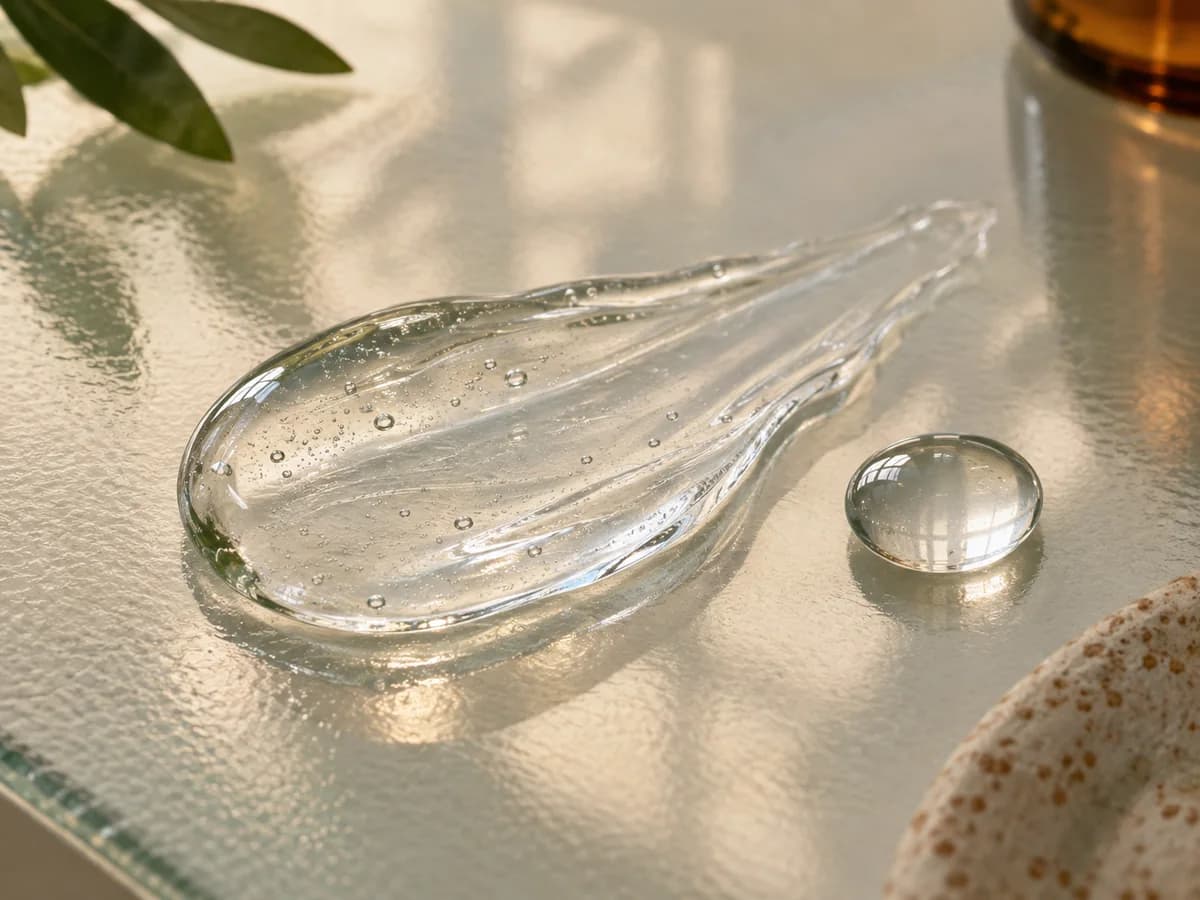
Hydrolyzed Hyaluronic Acid
Shorter hyaluronic-acid fragments; the label does not disclose a single molecular weight or prove filler-like effects.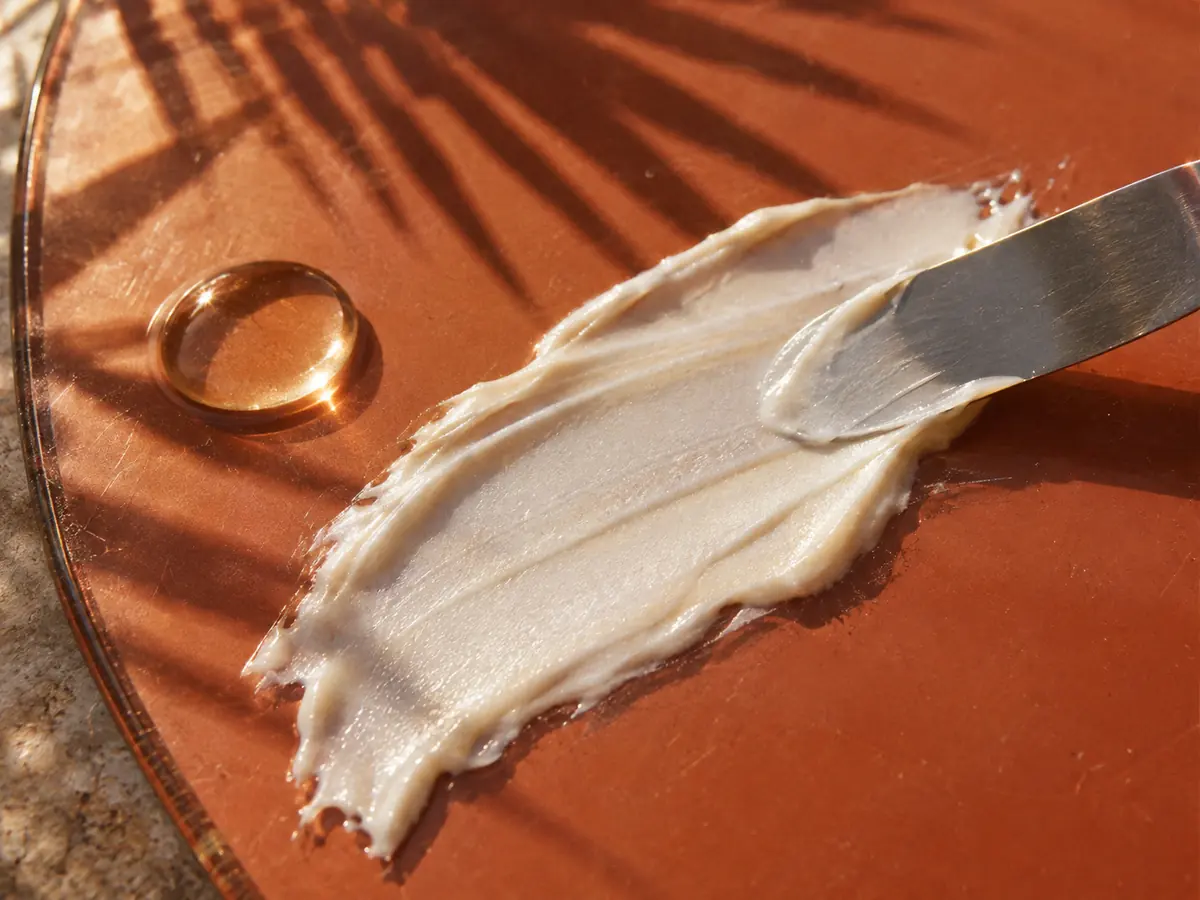
Isopropyl Palmitate
A lightweight fatty ester used for slip and softness, with breakout risk that depends on the complete formula and user.
Mineral Oil
A refined hydrocarbon emollient; cosmetic purity, industrial exposure and oral laxative use must be kept separate.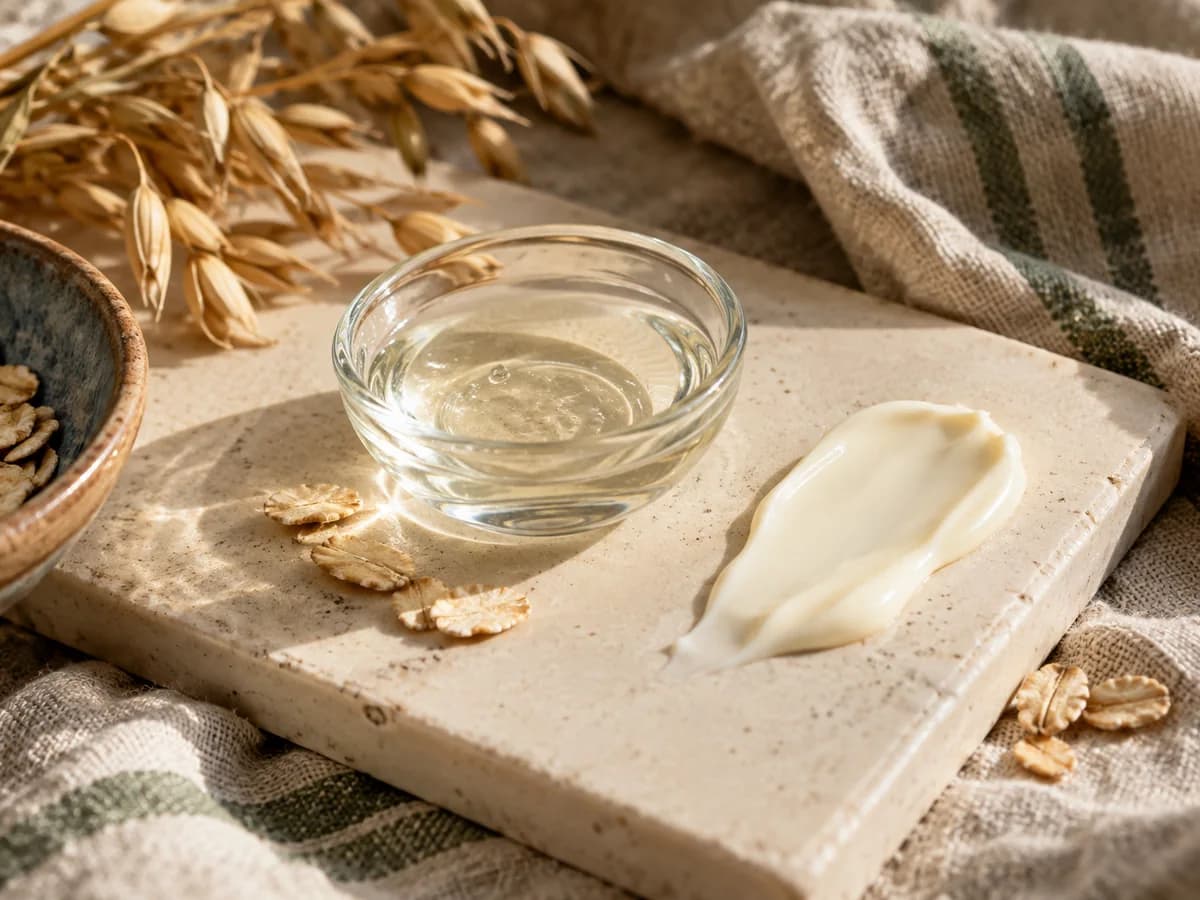
Panthenol
A provitamin B5 conditioning ingredient with short-term topical hydration evidence, not an oral B5 dose or a hair-regrowth guarantee.
Pentylene Glycol
A multifunctional diol that adds moisture and solvent power while helping cosmetic preservation systems.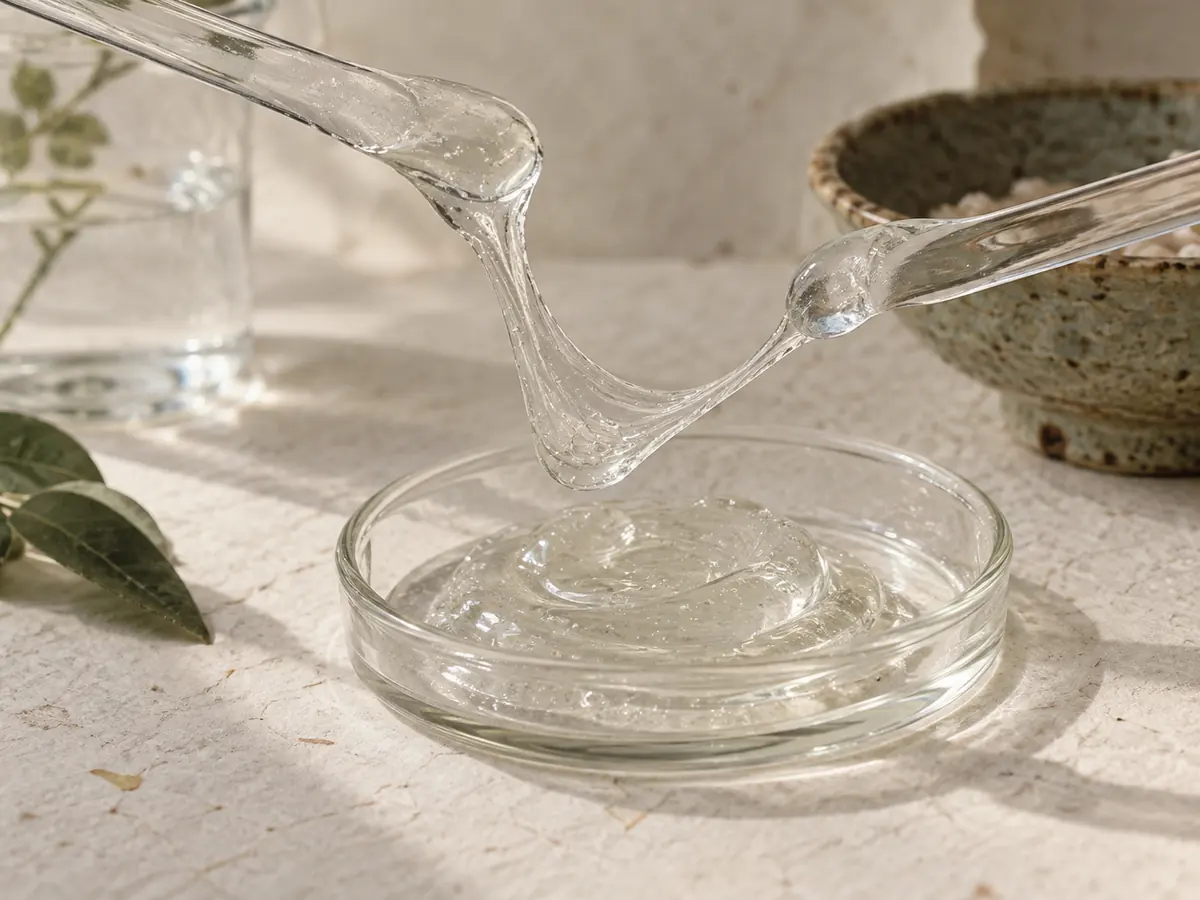
Polyglutamic Acid
A fermentation-derived water-binding polymer with promising formulation data but little direct human clinical evidence.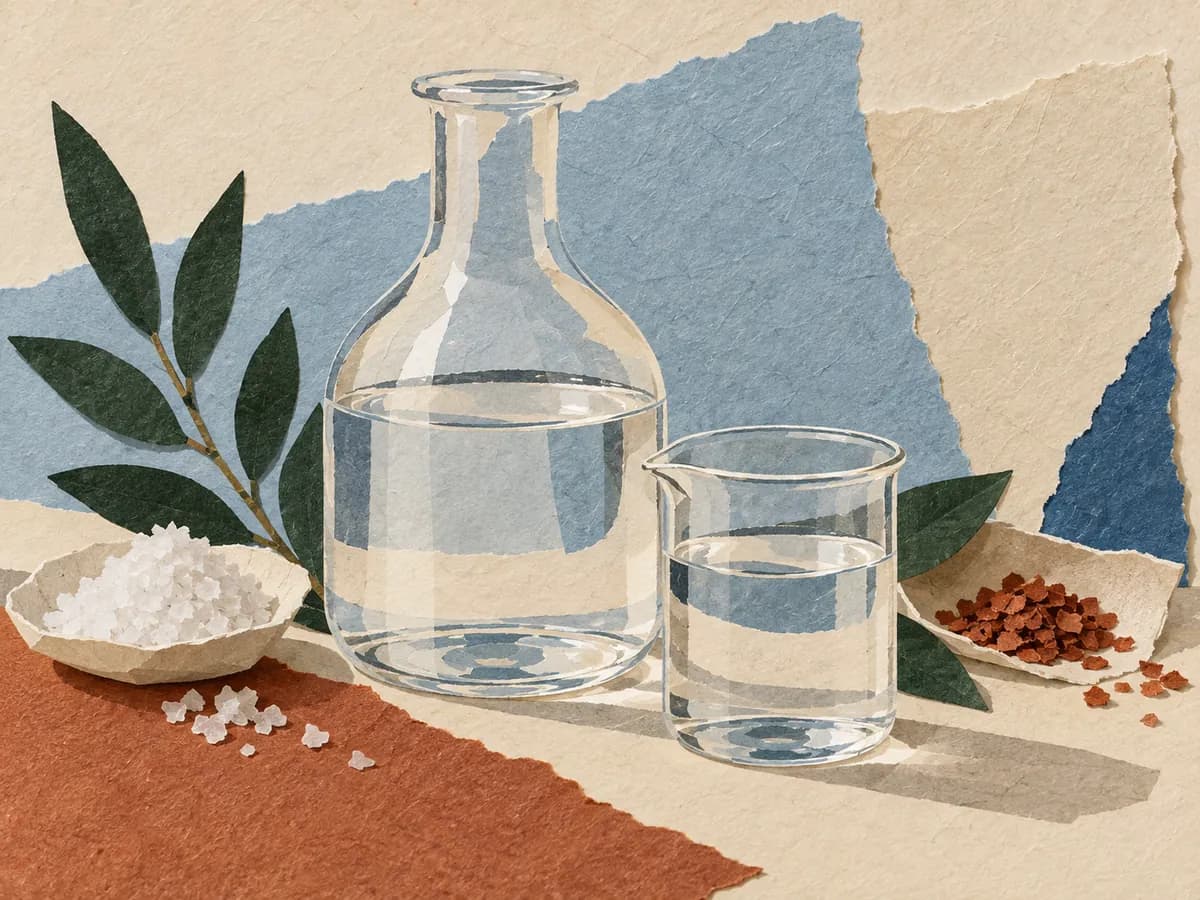
Propylene Glycol
A solvent and moisture-related formulation ingredient whose irritation and allergy require careful distinction.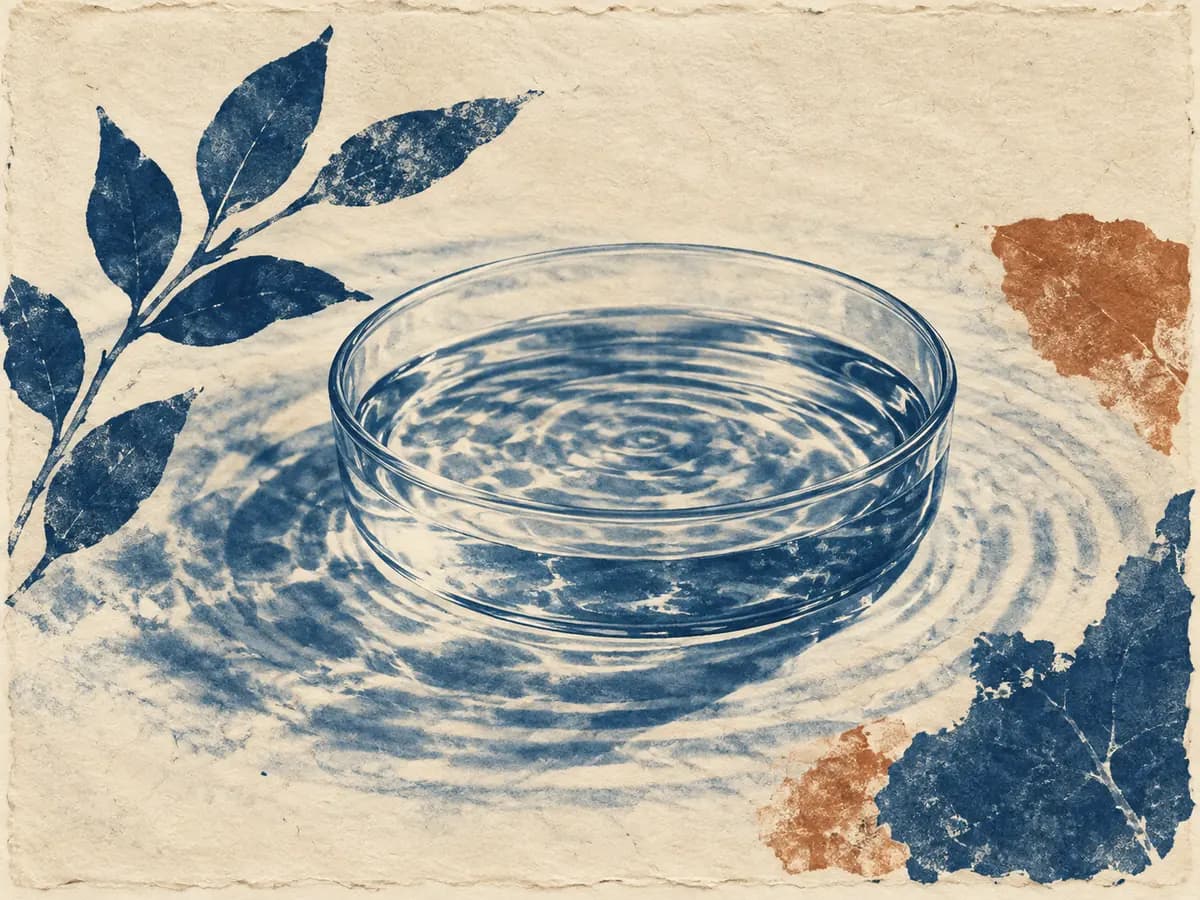
Sodium PCA
A humectant related to the skin's natural moisturizing factors, with a specific nitrosation qualification in its safety review.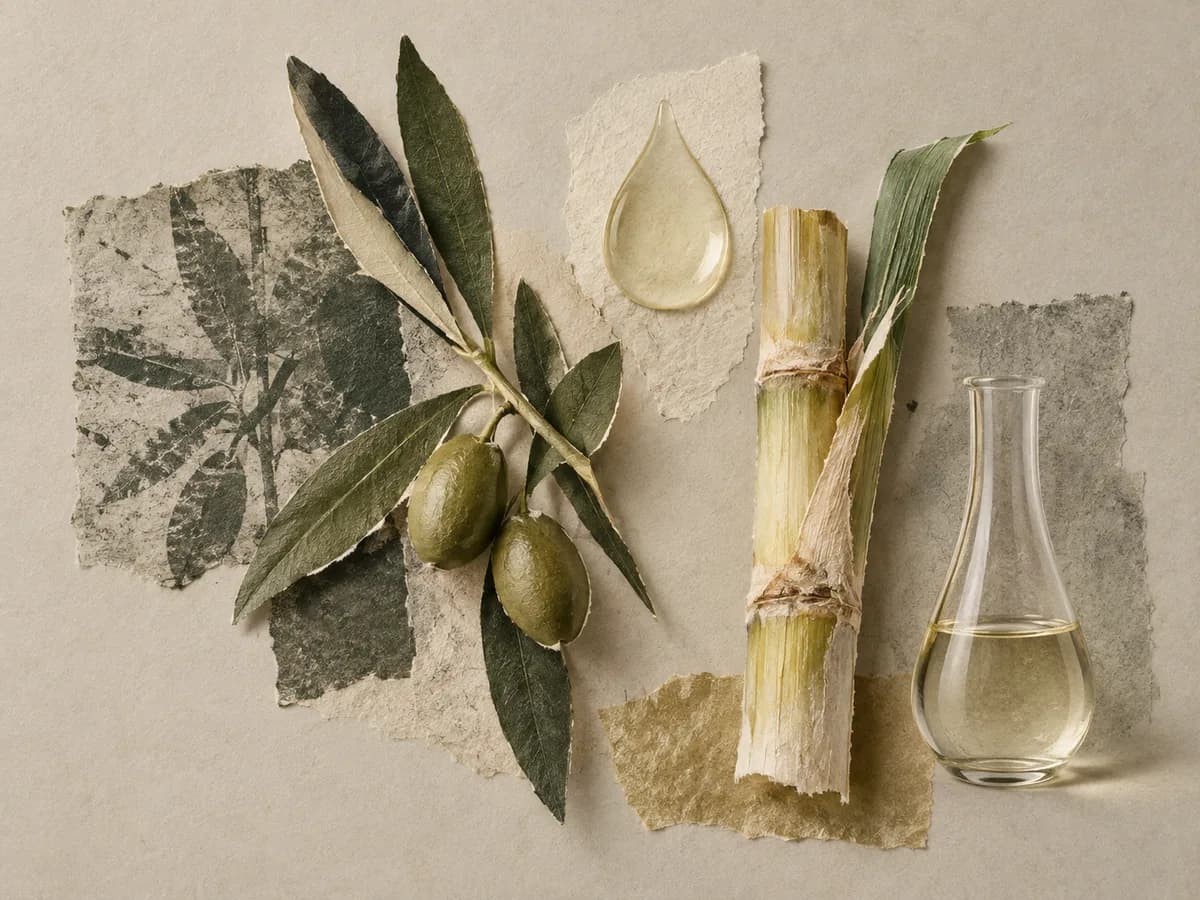
Squalane
A skin-identical, ultra-stable emollient oil that softens without clogging pores — the gentle face-oil standard.
Stearyl Alcohol
A waxy fatty alcohol that thickens and softens formulas without behaving like drying ethanol.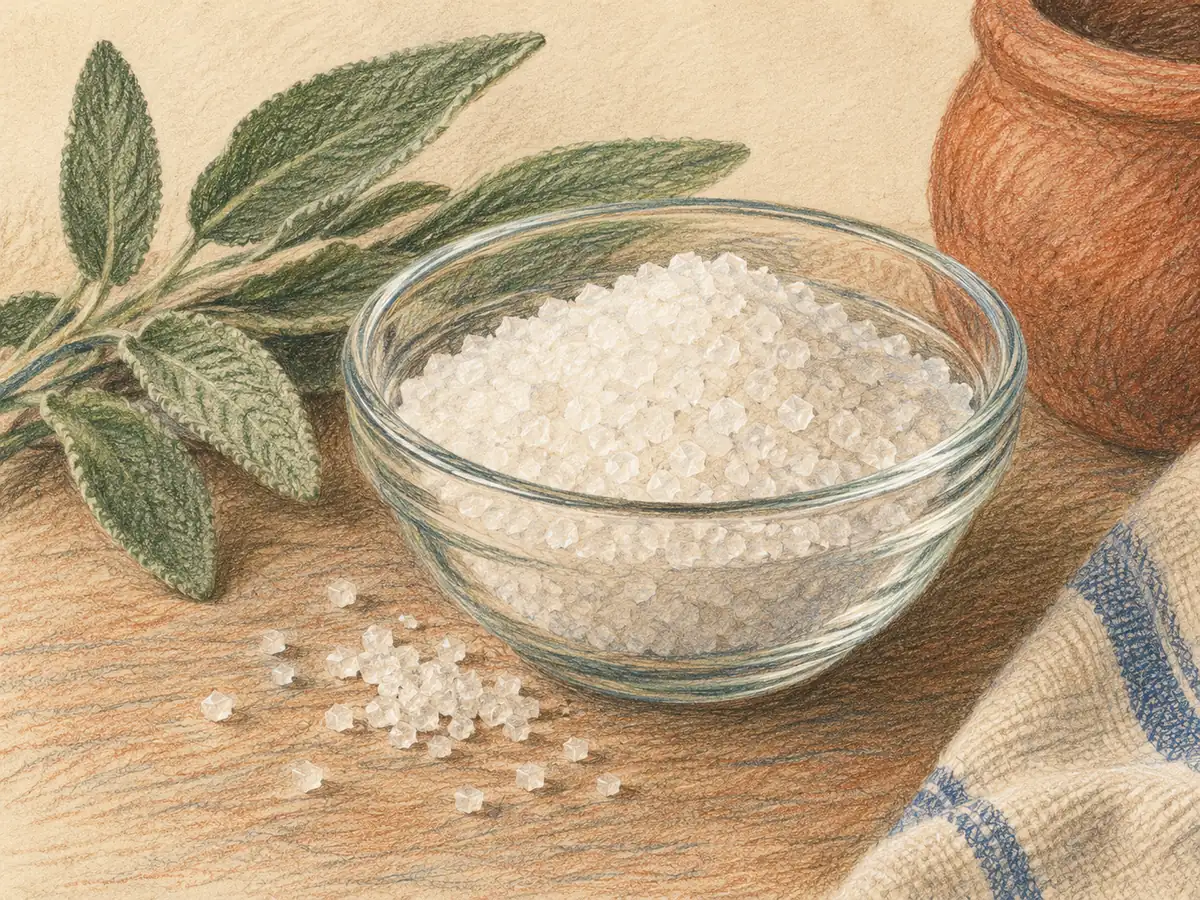
Trehalose
A disaccharide used for skin conditioning and moisture-related formulation, without a proven standalone anti-aging effect.Humectants & Emollients
- 01AllantoinA skin-conditioning ingredient that can also be an OTC skin-protectant active under specific U.S. labeling conditions.
- 02Beta-GlucanA family of polysaccharides whose skin, fiber, and immune claims depend heavily on source and molecular structure.
- 03BisabololChamomile's soothing molecule — the anti-inflammatory skin calmer backed by both tradition and mechanism.
- 04Butylene GlycolA cosmetic solvent and humectant whose formulation role is better established than any standalone skin-treatment claim.
- 05Caprylic/Capric TriglycerideCoconut oil, refined to perfection — the featherweight emollient that carries actives without grease, oxidation, or comedones.
- 06Cocoa ButterThe chocolate-scented skin butter — a rich, stable emollient beloved for stretch marks and dry skin, with modest trial data.
- 07Colloidal OatmealThe FDA-recognized skin soother — colloidal oatmeal is a regulated eczema treatment hiding in a breakfast cereal.
- 08CyclopentasiloxaneThe silky-slip silicone — the secret behind 'velvety' textures, with an environmental-persistence debate attached.
- 09DimethiconeSkincare's invisible shield — the silicone that locks in moisture, smooths skin and hair, and helps scars heal flat.
- 10GlycerinSkincare's hydration workhorse — the humectant in nearly everything, with barrier-repair evidence better than its humble reputation.
- 11Honey (Skincare)A sugar-rich skincare material whose wound-dressing evidence should not be transferred to kitchen honey or a rinse-off mask.
- 12Hyaluronic AcidA skin-identical humectant that binds up to 1,000 times its weight in water — the hydration backbone of modern skincare.
- 13Hydrolyzed Hyaluronic AcidShorter hyaluronic-acid fragments; the label does not disclose a single molecular weight or prove filler-like effects.
- 14Isopropyl MyristateThe classic fast-dry emollient — light, cheap, and effective, with a famous comedogenicity footnote worth understanding.
- 15Isopropyl PalmitateA lightweight fatty ester used for slip and softness, with breakout risk that depends on the complete formula and user.
- 16Jojoba OilThe desert 'oil' that is chemically a wax — closest match to human sebum, a moisturizing and makeup-removing staple.
- 17LanolinThe sheep-derived barrier wax — an exceptional emollient for cracked skin and nipples, with a wool-allergy asterisk.
- 18Mango ButterThe lighter shea alternative — mango kernel's non-greasy butter for skin and hair, with a subtle dry-touch finish.
- 19Mineral OilA refined hydrocarbon emollient; cosmetic purity, industrial exposure and oral laxative use must be kept separate.
- 20PanthenolA provitamin B5 conditioning ingredient with short-term topical hydration evidence, not an oral B5 dose or a hair-regrowth guarantee.
- 21Pentylene GlycolA multifunctional diol that adds moisture and solvent power while helping cosmetic preservation systems.
- 22Petrolatum (Petroleum Jelly)The ultimate occlusive barrier — the best-evidenced moisturizer ingredient in dermatology, and the star of 'slugging.'
- 23Polyglutamic AcidA fermentation-derived water-binding polymer with promising formulation data but little direct human clinical evidence.
- 24PropolisThe hive's antimicrobial resin — real laboratory antiviral activity and oral-health data, with thin human infection trials.
- 25Propylene GlycolA solvent and moisture-related formulation ingredient whose irritation and allergy require careful distinction.
- 26Rosehip OilThe scar-fading botanical oil — linoleic-rich rosehip oil with a real clinical record on scars, dryness, and tone.
- 27Shea ButterThe rich African nut butter of moisturizer fame — an emollient with genuine barrier benefits and a few myths attached.
- 28Snail MucinThe K-beauty hydration star from snail secretion — genuinely hydrating, with ethics worth checking.
- 29Sodium HyaluronateThe salt form of hyaluronic acid — smaller molecules, deeper delivery, and the real ingredient behind most 'HA' serums.
- 30Sodium PCAA humectant related to the skin's natural moisturizing factors, with a specific nitrosation qualification in its safety review.
- 31SqualaneA skin-identical, ultra-stable emollient oil that softens without clogging pores — the gentle face-oil standard.
- 32Stearyl AlcoholA waxy fatty alcohol that thickens and softens formulas without behaving like drying ethanol.
- 33TrehaloseA disaccharide used for skin conditioning and moisture-related formulation, without a proven standalone anti-aging effect.
- 34UreaThe skin's own moisturizer — a humectant at 10%, a keratolytic that dissolves rough callused skin at 20–40%.