Allantoin
A skin-conditioning ingredient that can also be an OTC skin-protectant active under specific U.S. labeling conditions.
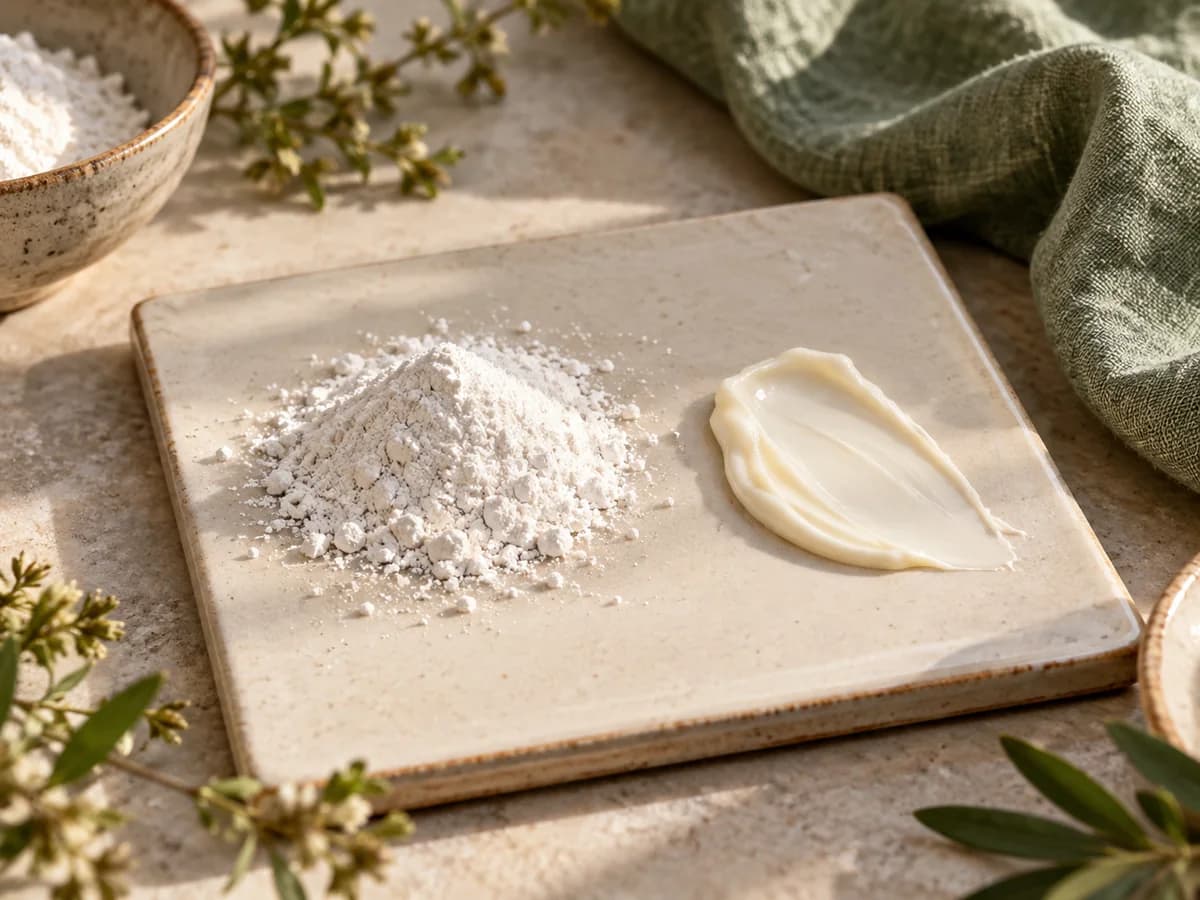
Allantoin is used as a skin-conditioning ingredient, and qualifying U.S. OTC skin-protectant products can use it at 0.5–2% under M016. That regulatory role concerns specified temporary skin-protection claims. It does not establish that every allantoin cosmetic heals wounds, treats acne or replaces medical care.1, 2
- Documented cosmetic function: skin conditioning.1
- M016 lists allantoin at 0.5–2% for qualifying OTC skin-protectant products.2
- An allantoin complex or botanical extract is not necessarily plain allantoin.1
What is Allantoin?
Allantoin appears in formulas ranging from light moisturizers to labeled skin-protectant drugs. Intended use and labeling determine which category applies. Its association with plants such as comfrey also does not make purified cosmetic allantoin equivalent to a whole botanical extract with other constituents.1
Where it comes from
Natural sources
- Occurs in some biological and botanical materials
How it's made
Purified commercial allantoin is commonly manufactured; its specification differs from whole plant extracts.
What it does in products
Benefits
Specified temporary skin protection
moderate evidenceQualifying OTC products can use allantoin within M016's conditions for the stated skin-protection indications.2
A monograph establishes conditions for specified claims, not broad evidence of scar removal, accelerated wound healing or superiority over all moisturizers. A cosmetic without those drug conditions does not inherit the indication.
Evidence scope and limitations
Topical allantoin, CIR cosmetic safety context and U.S. M016 skin-protectant conditions; not whole-comfrey extract safety.
- A monograph indication is not a head-to-head moisturizer trial.
- No chronic-wound, scar-removal or disease-treatment benefit is inferred.
Evidence last checked: 2026-10-01
Side effects & safety
Safety considerations
- Purified allantoin data should not be used to establish the safety of an uncharacterized comfrey extract.
- Not for: Follow the Drug Facts warnings on a skin-protectant product; deep or serious wounds are not ordinary cosmetic use.
Amounts studied & product use
These figures describe research or common product use, not a personal dose or treatment recommendation.
In skincare studies and products
M016 specifies 0.5–2% allantoin for qualifying OTC skin-protectant products. This is a regulatory range with accompanying conditions, not a universal best percentage for a cosmetic or an instruction to mix raw powder.
Regulatory status
- Can be a cosmetic skin-conditioning ingredient or an OTC skin-protectant active under M016; intended use, formula and labeling determine the product category.
- INCI name on cosmetic labels: Allantoin.
- The 2010 CIR report assessed allantoin and named related complexes under reported use conditions.
Protectant is narrower than a wound-healing promise
Temporary protection of minor irritation is not the same claim as closing a chronic ulcer, preventing infection or removing a scar. The drug monograph's indications and warnings set the scope.
A moisturizing formula may be comfortable without being a drug. Conversely, an OTC Drug Facts panel is not evidence that every ingredient in the product independently provides its labeled effect.
2, 3Frequently asked questions
Is every allantoin cream an FDA-approved drug?
No. Some are cosmetics, and qualifying OTC skin-protectants follow monograph conditions rather than each receiving individual approval. The percentage alone does not determine the category.2, 3
Is allantoin the same as comfrey?
No. Purified allantoin and a whole botanical extract are different materials. Evidence for one should not be copied to the other.1
The bottom line
Allantoin's protectant role is useful but bounded. Read the intended use and label instead of expanding it into a general healing claim.
References
- Becker LC, Bergfeld WF, Belsito DV et al.. Final report of the safety assessment of allantoin and its related complexes. International Journal of Toxicology / Cosmetic Ingredient Review (2010) · safety assessment · PMID 20448269; DOI 10.1177/1091581810362805
- OTC Monograph M016: Skin Protectant Drug Products for OTC Human Use. U.S. Food and Drug Administration (2021) · government guidance · M016.10(a), (l)
- FDA Authority Over Cosmetics: How Cosmetics Are Not FDA-Approved, but Are FDA-Regulated. U.S. Food and Drug Administration (2013) · government guidance · Page updated August 3, 2013; accessed October 1, 2026
Revision history
- Initial AI-assisted evidence compilation with source-linked claims, formulation distinctions and explicit research limitations; not independent medical review.