Isopropyl Palmitate
Also known as: Palmitic acid isopropyl ester, IPP
A lightweight fatty ester used for slip and softness, with breakout risk that depends on the complete formula and user.
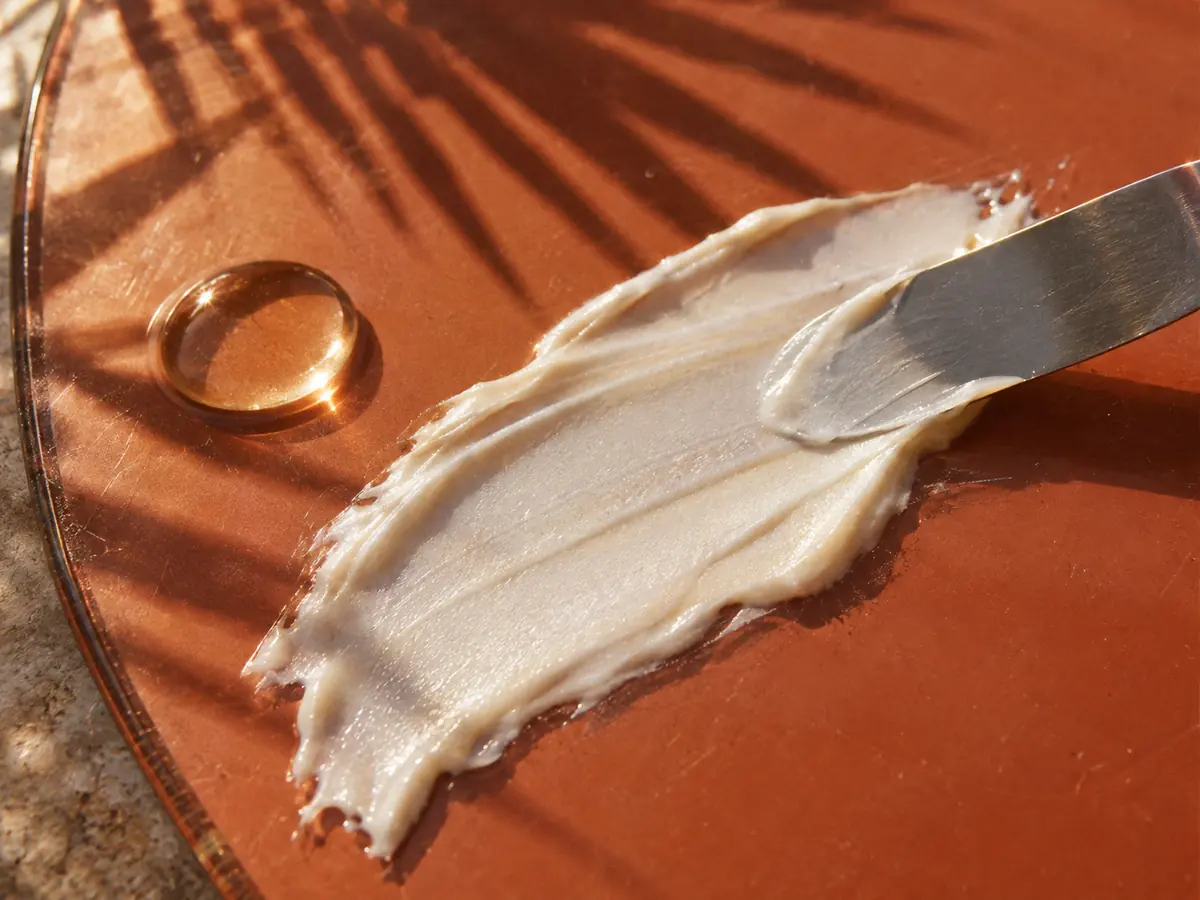
Isopropyl palmitate is the ester of isopropyl alcohol and palmitic acid. It is used to make creams, makeup, and hair products spread easily and feel less greasy. It is often labeled comedogenic online, but simple ingredient rankings do not reliably predict acne from a finished product; dose, vehicle, other ingredients, and individual skin all matter.1, 2
- A fatty ester rather than palm oil itself1, 2
- Improves slip and reduces drag1, 2
- Can feel light despite its long fatty chain1, 2
- Comedogenic lists are weak predictors of real-world breakouts1, 2
What is Isopropyl Palmitate?
Formulators use isopropyl palmitate to alter texture and dissolve oil-soluble materials. Its sensory role is clear; claims that it universally clogs pores are much less certain.1, 2
Where it comes from
Natural sources
- Palmitic-acid feedstocks may come from palm or other vegetable oils
How it's made
Palmitic acid is esterified with isopropyl alcohol and purified for cosmetic use.
What it does in products
Benefits
Softer feel and easier spread
moderate evidenceThe ester reduces drag and changes the sensory profile of creams and color cosmetics.2
This is a formulation function, not a treatment for dryness or barrier disease.
Suitability for acne-prone skin
insufficient evidenceIngredient-only comedogenic ratings cannot establish whether a finished product will cause breakouts.2
Older model tests and high-concentration exposure do not reproduce every commercial vehicle or user's skin.
Evidence scope and limitations
Topical cosmetic use is covered; industrial aerosol exposure and ingestion are outside scope.
- Finished-product acne outcomes are poorly predicted by ingredient-only tests.
- Commercial concentrations and vehicles vary.
Evidence last checked: 2026-09-28
Side effects & safety
Safety considerations
- No special warning is established for ordinary topical cosmetic use.
- Not for: Known sensitivity
- Not for: Continuing a product that consistently worsens acne
Amounts studied & product use
These figures describe research or common product use, not a personal dose or treatment recommendation.
In skincare studies and products
Used at formula-dependent levels as an emollient or solvent; the finished product, not a universal pore-clogging score, is the relevant exposure.
Regulatory status
- A cosmetic excipient rather than an FDA-approved acne or moisturizer active.
- INCI name on cosmetic labels: Isopropyl Palmitate.
- Included in CIR safety assessments of cosmetic fatty-acid esters.
Why comedogenic charts overpromise
Many charts turn an ingredient's result in a model, often at high concentration, into a universal zero-to-five score. They rarely account for dilution, vehicle, cleansing, exposure time, or individual acne biology.
2Frequently asked questions
The bottom line
Isopropyl palmitate is a texture ingredient. Let repeated experience with the finished formula guide acne decisions, not a decontextualized comedogenic score.
References
- Isopropyl palmitate: compound summary. PubChem, National Library of Medicine (2026) · ingredient monograph · CID 8907
- Final Report on the Safety Assessment of Octyl Palmitate, Cetyl Palmitate and Isopropyl Palmitate. Cosmetic Ingredient Review (2026) · safety assessment
- FDA Authority Over Cosmetics: How Cosmetics Are Not FDA-Approved, but Are FDA-Regulated. U.S. Food and Drug Administration (2013) · government guidance
Revision history
- Initial publication with claim-level citations, formulation limits, safety context, and editorial evidence review.