Sorbitol
Also known as: D-glucitol, E420, Sorbitol solution
A sugar alcohol used in food and oral laxatives, with formulation-dependent gut effects and important metabolic and drug-interaction warnings.
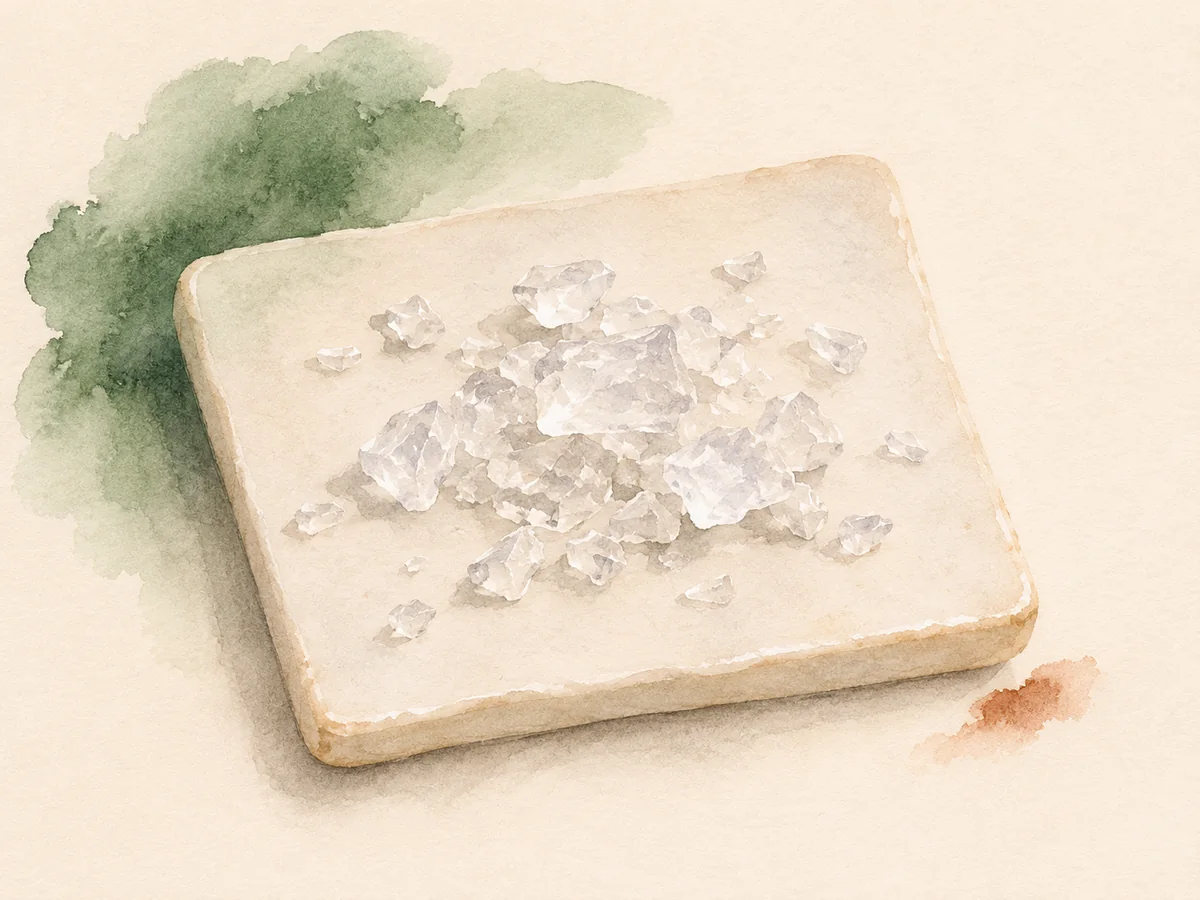
Sorbitol is a sugar alcohol used as a sweetener, humectant and oral laxative ingredient. Its gastrointestinal effects depend on amount and preparation. People with hereditary fructose intolerance must avoid sorbitol exposure. A separate prescribing warning discourages combining it with sodium polystyrene sulfonate because of serious intestinal injury risk.1, 3, 4, 5
- The food rule requires a laxative-effect warning when foreseeable consumption may result in 50 g/day of sorbitol.1
- A 1990 crossover trial compared oral sorbitol and lactulose in 30 men aged 65–86, with four weeks on each treatment.2
- GeneReviews identifies sorbitol among the exposures to avoid in hereditary fructose intolerance.4
What is Sorbitol?
U.S. food rules define sorbitol as a sugar-derived hexahydric alcohol produced by reducing glucose or fructose. A food ingredient and a concentrated oral laxative solution share the compound but create different exposures and labeling obligations.1, 3
Where it comes from
Natural sources
- Glucose and fructose are starting sugars described in the food regulation.
How it's made
Reduction of those sugars produces commercial sorbitol for specified food uses.
What it does in products
Benefits
Short-term constipation treatment evidence
limited evidenceAn older active-comparator study gives a narrow clinical context.2
In 30 older men, weekly bowel-movement averages were similar with sorbitol and lactulose. The trial used a crossover design with four-week treatment periods and a washout. Its small, all-male sample and absence of a placebo arm leave broader comparative effectiveness and long-term outcomes uncertain.
Evidence scope and limitations
Specified food uses, one oral laxative label, a small older constipation trial and two clinically important safety contexts.
- The 1990 efficacy study was checked through its original abstract. It involved older men and short crossover periods.
- The oral sorbitol listing was updated in 2018. The accessed sodium polystyrene sulfonate listing is dated April 2024. Their dates are retained separately from today's check.
- Hereditary fructose intolerance is a defined inherited disorder. Ordinary gastrointestinal intolerance and its diagnostic workup require separate assessment.
Evidence last checked: 2026-11-15
Side effects & safety
Safety considerations
- The cited oral laxative label advises asking a health professional before use during pregnancy or breastfeeding.
- Sodium polystyrene sulfonate prescribing information discourages concomitant sorbitol because it may contribute to intestinal necrosis. Medication review should include liquid medicines and other sorbitol-containing preparations.
- Not for: People with hereditary fructose intolerance, for whom GeneReviews recommends avoidance of sorbitol.
Amounts studied & product use
These figures describe research or common product use, not a personal dose or treatment recommendation.
In an older oral constipation trial
The 1990 trial titrated a 70% oral solution within 0–60 mL/day under its protocol. The cited oral product label supplies its own age-specific directions and duration warnings. Concentration, route and indication determine how an amount should be interpreted. These figures describe research exposure.
Regulatory status
- 21 CFR 184.1835 sets conditions for specified food uses, including category-dependent levels and a foreseeable-consumption warning. The separate DailyMed record documents one oral laxative's label. Its presence in DailyMed establishes a label record, with product approval status requiring separate verification.
The warning threshold cannot define individual tolerance
The food rule's 50 g/day figure determines when a foreseeable intake calls for a laxative-effect statement. It supplies a labeling criterion. Gastrointestinal symptoms at an individual's actual exposure still depend on the preparation and tolerance.
Hereditary fructose intolerance has a different safety basis. Its metabolic consequences require avoidance rather than symptom-based experimentation. The sodium polystyrene sulfonate interaction supplies another distinct reason to examine sorbitol across foods, excipients and medicines.
1, 2, 4, 5Frequently asked questions
Does a sorbitol-containing liquid medicine need review in hereditary fructose intolerance?
Yes. GeneReviews includes medicinal preparations in its exposure precautions. The treating team or pharmacist should check excipients as well as the named active ingredient.4
The bottom line
Read sorbitol through the exact amount, preparation and individual metabolic or medication context.
References
- 21 CFR 184.1835 — Sorbitol. U.S. Food and Drug Administration / eCFR · government guidance · Current food regulation checked November 15, 2026; identity, category-specific use conditions and foreseeable 50 g/day laxative-warning criterion
- Lederle FA, Busch DL, Mattox KM, West MJ, Aske DM. Cost-effective treatment of constipation in the elderly: a randomized double-blind comparison of sorbitol and lactulose. The American Journal of Medicine (1990) · randomized trial · PMID 2122724; DOI 10.1016/0002-9343(90)90177-f; November 1990, 89(5):597–601; original abstract checked, full text unavailable
- Sorbitol solution — 70% oral laxative Drug Facts. Geritrex LLC / DailyMed (2018) · ingredient monograph · SPL set ID ae9a1c12-8662-4f5d-8435-e51dc2b45780; listing updated January 17, 2018; oral product directions and warnings checked November 15, 2026
- Gaughan S, Ayres L, Baker PR II. Hereditary Fructose Intolerance. GeneReviews, University of Washington / NCBI Bookshelf (2021) · ingredient monograph · PMID 26677512; NBK333439; updated February 18, 2021, initially published December 17, 2015; clinical summary and dietary exposure precautions checked
- Sodium polystyrene sulfonate powder for suspension — prescribing information. Sunrise Pharmaceutical Inc. / DailyMed (2024) · ingredient monograph · SPL set ID 03a0b525-5e48-4e76-b1fa-700eab10d20a; accessed listing updated April 12, 2024; sections 5.1 and 7.3 checked for sorbitol coadministration warning
Revision history
- Initial AI-assisted source compilation with claim-level citations, formulation distinctions and explicit evidence limitations; not independent medical review.