Isomalt
Also known as: E953, Hydrogenated isomaltulose
A polyol sugar replacer with conditional dental-label claims and dose-dependent gastrointestinal tolerance limits.
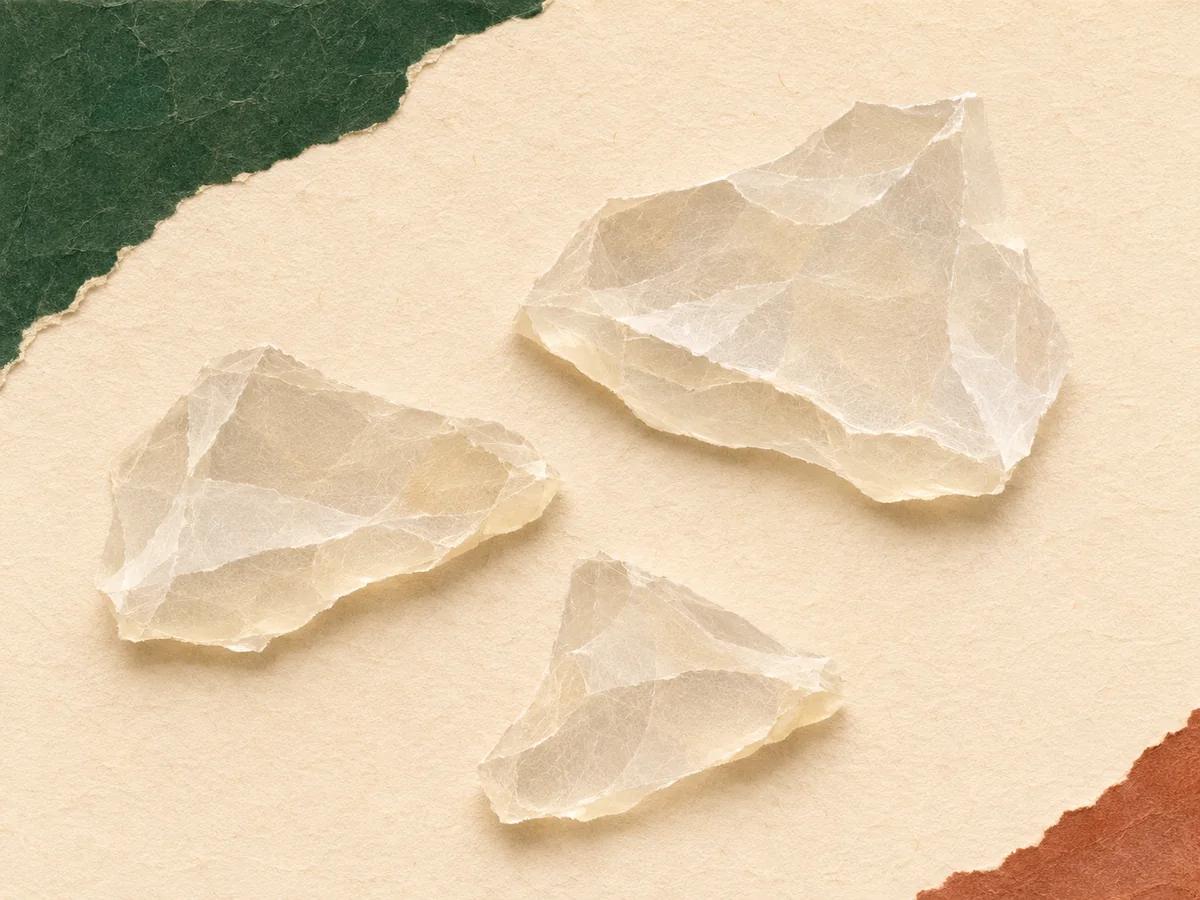
Isomalt, or E953, is a manufactured sugar-alcohol mixture used to replace sugar. Evidence assessments support defined dental and post-meal glucose comparisons when sugar is replaced under specified food conditions. Gastrointestinal symptoms can occur with larger amounts. A finished food's composition and an individual's tolerance remain important.1, 3, 4
- The E953 specification identifies isomalt as a mixture and lists hydrogenated isomaltulose as a synonym.1
- U.S. rules include isomalt among sweeteners eligible for a dental-caries health claim when the finished food meets the required conditions.2
- A crossover study in 59 healthy young adults found more gastrointestinal symptoms after 40 g isomalt in milk chocolate than after the sucrose comparator.4
What is Isomalt?
European specifications define isomalt as a mixture whose principal components are glucosyl-sorbitol and glucosyl-mannitol. Production converts sucrose to isomaltulose and then hydrogenates it. The precursor and resulting polyol therefore have distinct identities, despite similar names.1
Where it comes from
Natural sources
- Sucrose is the starting material described in the food-additive specification.
How it's made
Enzymatic conversion followed by catalytic hydrogenation produces the specified isomalt mixture.
What it does in products
Benefits
Dental effects depend on sugar replacement
moderate evidenceThe evidence concerns how a qualifying food affects tooth demineralization.3, 2
EFSA's 2011 opinion supports reduced demineralization when specified replacers take the place of sugar and the food avoids erosive effects. U.S. claim rules also impose finished-food requirements. These conditions limit how far an ingredient-level claim can travel to a confectionery product.
Evidence scope and limitations
E953 identity, specified sugar-replacement claims, one human gastrointestinal challenge study and current EFSA review status.
- The 1996 study was checked through its original abstract. It involved single breakfast challenges in healthy young adults, limiting conclusions about daily use, children and gastrointestinal disease.
- The legal identity text was checked through its indexed EUR-Lex record after a live verification challenge. Its 2026 consolidation date is retained separately from the 2012 regulation.
- The 2011 health-claim opinion is distinct from the ongoing additive re-evaluation. Neither establishes every finished product's clinical effects.
Evidence last checked: 2026-11-14
Side effects & safety
Amounts studied & product use
These figures describe research or common product use, not a personal dose or treatment recommendation.
In food specifications and tolerance studies
Isomalt is a food-formulation ingredient. The cited study used 30 or 40 g within 100 g milk-chocolate challenges taken at breakfast, with products spaced one week apart. Those challenge amounts describe the experiment and cannot establish a daily intake target for an individual.
Regulatory status
- 21 CFR 101.80 includes isomalt in specified U.S. dental-caries health-claim rules, subject to the finished food meeting their conditions. European specifications identify it as E953. EFSA's current sweeteners table lists its additive re-evaluation as ongoing as of this check, so the older health-claim opinion and the current safety-review status retain separate dates.
A replacement claim needs its comparator
The 2011 EFSA glucose conclusion compares foods in which the specified ingredients replace sugar with sugar-containing foods. Applying it to a product requires attention to its actual sugar replacement and complete composition.
A lower post-meal glucose response under those conditions leaves diabetes treatment, long-term disease prevention and a person's tolerance unresolved. The human tolerance experiment supplies a separate, food-specific reason to read the amount of polyol alongside the claim.
3, 4Frequently asked questions
Can research on isomaltulose be applied directly to isomalt?
Isomaltulose is the precursor in the specified manufacturing route. Hydrogenation yields isomalt's glucosyl-sorbitol and glucosyl-mannitol mixture. Check the tested ingredient's identity before transferring a result between the two names.1
The bottom line
Read isomalt claims with the sugar comparator, finished-food conditions and gastrointestinal exposure in view.
References
- Commission Regulation (EU) No 231/2012 — E 953 Isomalt specifications. European Union / EUR-Lex (2012) · government guidance · 2012 regulation, consolidated May 9, 2026; E953 identity and production definition checked through indexed original text after live verification challenge
- 21 CFR 101.80 — Health claims: dietary noncariogenic carbohydrate sweeteners and dental caries. Electronic Code of Federal Regulations · government guidance · Current rule checked November 14, 2026; isomalt eligibility, finished-food conditions and plaque-pH criteria
- EFSA Panel on Dietetic Products, Nutrition and Allergies. Scientific Opinion on sugar replacers and maintenance of tooth mineralisation and reduction of post-prandial glycaemic responses. EFSA Journal (2011) · safety assessment · DOI 10.2903/j.efsa.2011.2076; 9(4):2076; final 2011 health-claim opinion, sugar-substitution and non-erosion conditions checked
- Koutsou GA, Storey DM, Lee A, et al.. Dose-related gastrointestinal response to the ingestion of either isomalt, lactitol or maltitol in milk chocolate. European Journal of Clinical Nutrition (1996) · randomized trial · PMID 8617186; 50(1):17–21; original abstract checked, 59 healthy adults aged 18–24, single-breakfast crossover challenges; full text unavailable
- Sweeteners — current re-evaluation status. European Food Safety Authority (2026) · government guidance · Agency page last reviewed October 27, 2026; dynamic table checked November 14, 2026; E953 re-evaluation listed as ongoing
Revision history
- Initial AI-assisted source compilation with claim-level citations, formulation distinctions and explicit evidence limitations; not independent medical review.