Acesulfame Potassium
Also known as: Acesulfame K, Ace-K, E950
A high-intensity sweetener with defined food-use conditions and an exposure-based safety assessment separate from weight-control evidence.
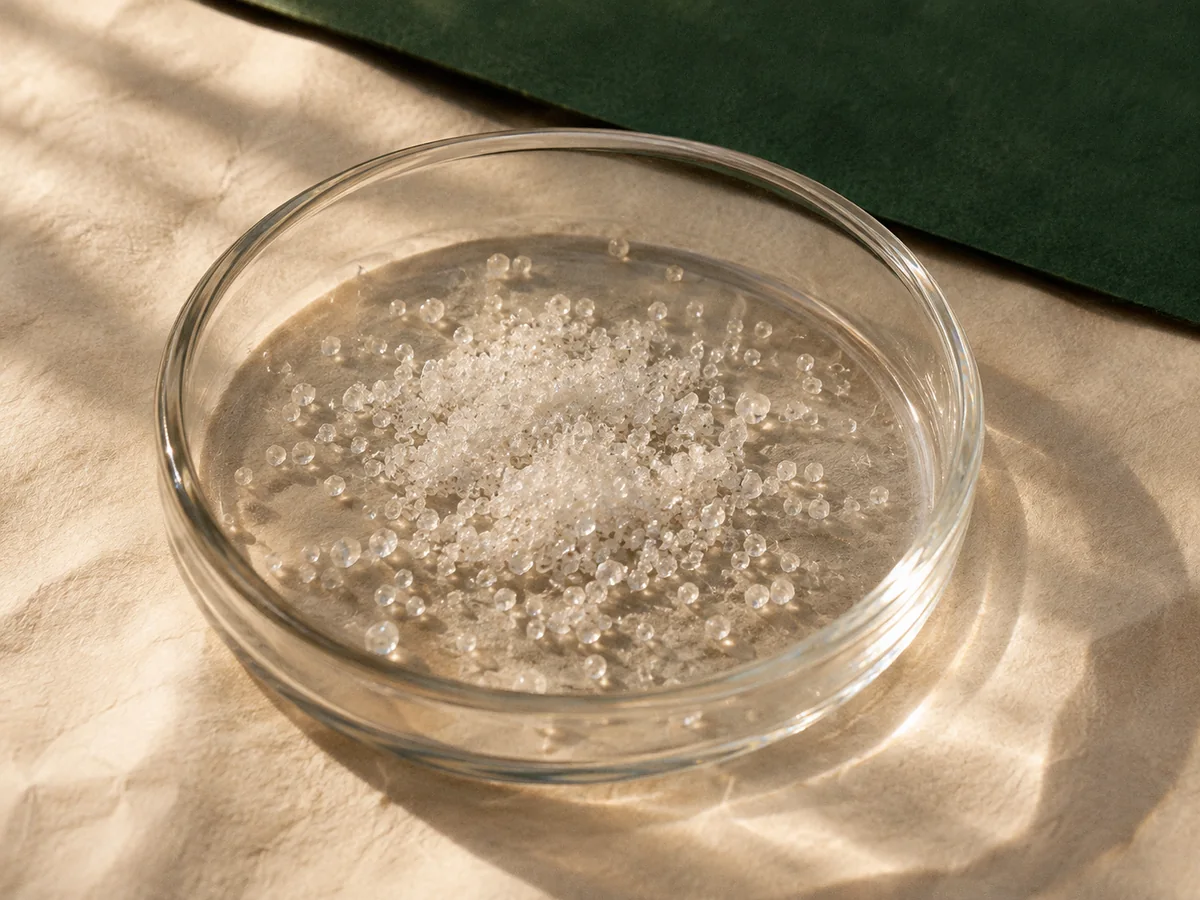
Acesulfame potassium, also called Ace-K or E950, is a high-intensity sweetener used in foods. EFSA's 2025 reassessment established an acceptable daily intake of 15 mg per kilogram of body weight per day. That exposure benchmark and the evidence for long-term weight control address different questions.2, 3, 4
- U.S. rules permit acesulfame potassium as a general-purpose sweetener and flavor enhancer under specified conditions, with meat and poultry products excluded from this provision.1
- EFSA's 2025 ADI is 15 mg/kg body weight/day, replacing the earlier European benchmark of 9 mg/kg/day.3
- WHO's 2023 weight-control guidance is conditional, covers non-sugar sweeteners as a group and excludes people with pre-existing diabetes.4
What is Acesulfame Potassium?
FDA describes acesulfame potassium as about 200 times as sweet as sucrose and heat-stable. It is often used in blends. Reading the complete ingredient list matters because the other sweeteners in a blend bring their own properties and labeling requirements.2, 1
Where it comes from
Natural sources
- Commercial acesulfame potassium is manufactured by synthesis.
How it's made
A high-intensity sweetener identified as acesulfame potassium in U.S. food regulations.
What it does in products
Benefits
Long-term weight benefit remains unestablished
insufficient evidenceAn ingredient's ability to supply sweetness does not establish a lasting weight-management effect.4, 2
WHO conditionally advises against using non-sugar sweeteners for long-term weight control in its covered population. The guidance combines evidence across sweeteners and cannot supply an Ace-K-only effect estimate. It also does not answer treatment questions for people with established diabetes.
Evidence scope and limitations
Acesulfame potassium food use, the final 2025 EFSA safety reassessment, FDA identity guidance and WHO's 2023 population-level weight-control guidance.
- The ADI relies on toxicology and uncertainty factors. It does not establish an individual's intake requirement or therapeutic benefit.
- WHO's guidance concerns a class of sweeteners and excludes pre-existing diabetes. Confounding and certainty limitations underlie its conditional recommendation.
- Impurity recommendations in a scientific opinion are not assumed to have become binding specifications. This is not an exhaustive review of all Ace-K-only human trials.
Evidence last checked: 2026-11-12
Side effects & safety
Safety considerations
- The cited food-use assessments are not a complete individual medicine-interaction review. Blended products need evaluation using their full ingredient lists.
- Not for: An acceptable daily intake is a population-level safety benchmark for repeated exposure. It is not a daily target or a personalized allowance for someone with a medical condition.
Amounts studied & product use
These figures describe research or common product use, not a personal dose or treatment recommendation.
In foods and exposure assessments
Ace-K is used in small amounts because of its high sweetness intensity. The U.S. provision limits use to the amount reasonably needed for the intended effect. EFSA's 15 mg/kg/day ADI is an exposure-assessment benchmark, not an amount to seek or a supplement regimen.
Regulatory status
- 21 CFR 172.800 authorizes specified food uses subject to good manufacturing practice and applicable food-standard conditions. EFSA's 2025 opinion is an EU scientific assessment. Its recommendations about impurity specifications should not be presented as already enacted U.S. or EU amendments.
What the ADI can answer
The 2025 EFSA ADI derives from a chronic rat study and an uncertainty factor. This is a toxicological safety assessment of exposure. It does not demonstrate improved glucose control or a favorable long-term weight outcome in a human randomized trial.
The same opinion recommended follow-up on impurity data and specifications. A careful account can acknowledge those open questions while stating the assessment's actual conclusion and date. Broad sweetener guidance and ingredient-specific toxicology should each retain their original scope.
3, 4Frequently asked questions
Does an Ace-K blend have the same labeling concerns as pure Ace-K?
The answer depends on every ingredient in the blend. FDA lists separate properties and warnings for different sweeteners, including phenylalanine labeling for aspartame. Check the complete product label before transferring a warning or assurance between ingredients.2
The bottom line
Use the food label to identify the whole blend, and keep exposure safety and expected health outcomes as separate assessments.
References
- 21 CFR 172.800: Acesulfame potassium. Electronic Code of Federal Regulations · government guidance · Current U.S. general-purpose sweetener and flavor-enhancer conditions checked November 12, 2026
- Aspartame and Other Sweeteners in Food. U.S. Food and Drug Administration · government guidance · Undated agency resource checked November 12, 2026 for acesulfame potassium identity, sweetness and approved-use context
- EFSA Panel on Food Additives and Flavourings. Re-evaluation of acesulfame K (E 950) as food additive. EFSA Journal (2025) · safety assessment · DOI 10.2903/j.efsa.2025.9317; final opinion published April 30, 2025; ADI basis and impurity-data recommendations checked
- WHO advises not to use non-sugar sweeteners for weight control in newly released guideline. World Health Organization (2023) · government guidance · May 15, 2023; conditional population-level guidance, separate from toxicological ADIs and excluding pre-existing diabetes
Revision history
- Initial AI-assisted source compilation with claim-level citations, formulation distinctions and explicit evidence limitations; not independent medical review.