Vanadium
Also known as: Vanadyl sulfate, Vanadate, Vanadium supplements
A trace element studied for insulin-like effects but not established as an essential human nutrient or safe diabetes supplement.
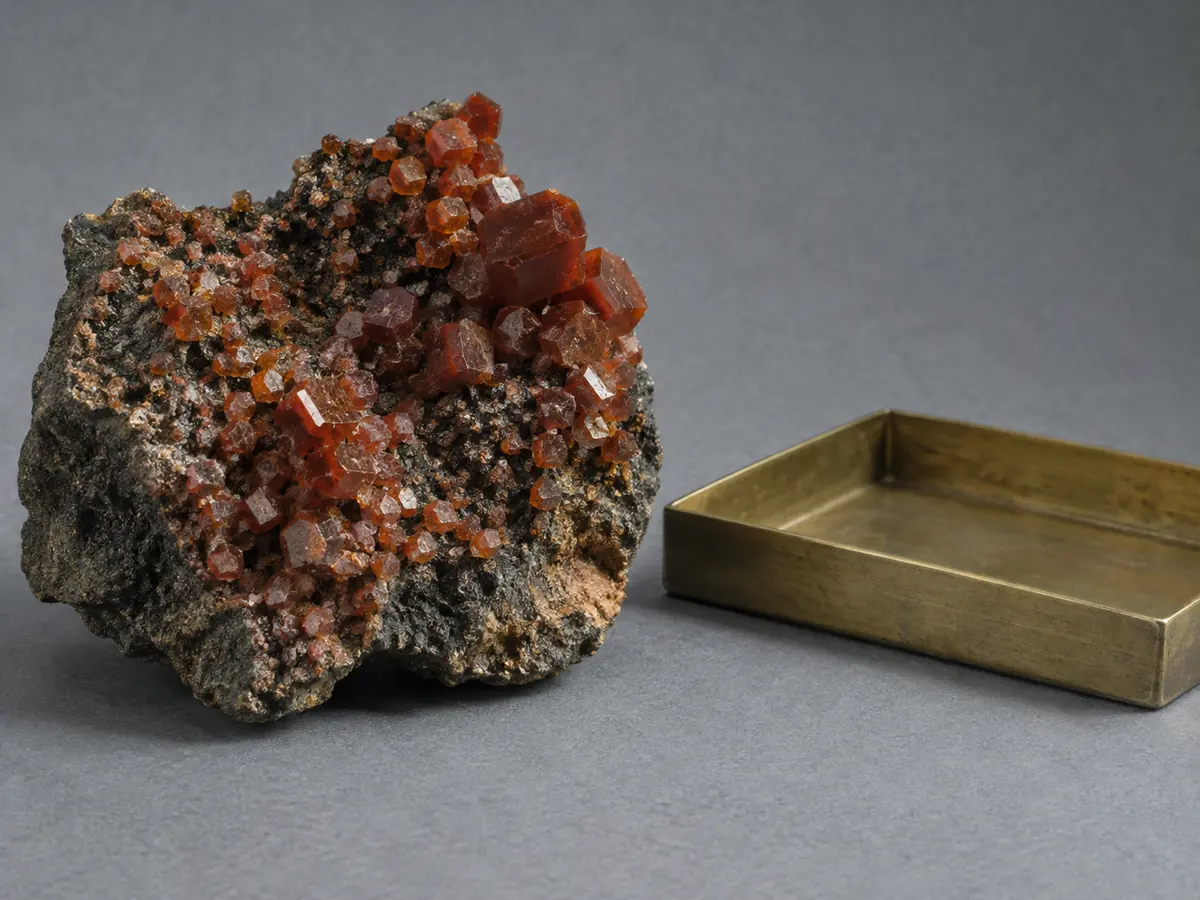
Vanadium is a naturally occurring element present in food and the environment. Although vanadium compounds can affect insulin signaling and were tested in small diabetes studies, systematic review evidence does not establish a useful or safe treatment. Vanadium has no U.S. dietary reference intake, and supplemental doses can cause gastrointestinal effects and raise longer-term toxicity concerns.2, 3
- No established essential role in humans1, 3
- Different vanadium compounds are not dose-equivalent1, 3
- Small diabetes studies do not establish treatment1, 3
- Food exposure is far lower than many supplement protocols1, 3
What is Vanadium?
Vanadium shifts among oxidation states and appears in multiple chemical forms. Those forms differ in absorption and toxicity, so milligrams of vanadyl sulfate cannot be treated as milligrams of elemental vanadium without conversion.1, 3
Where it comes from
Natural sources
- Soil, water, and trace amounts in foods
- Combustion particles and some occupational settings
How it's made
Supplements usually contain manufactured vanadyl sulfate or another defined salt.
What it does in products
Benefits
Blood-glucose control
insufficient evidenceA systematic review found the human evidence too limited and methodologically weak to recommend vanadium for diabetes.2
Studies were small, short, and used different compounds and high exposures; standard diabetes outcomes and safety remain uncertain.
Essential mineral supplementation
insufficient evidenceAn essential dietary requirement has not been established for humans.3
Trace presence in tissues or food does not by itself prove deficiency or a need for supplements.
Evidence scope and limitations
Oral vanadium supplements and dietary exposure are covered; occupational inhalation has a distinct risk profile.
- Clinical trials are small and short.
- Vanadium compounds differ in elemental content, absorption, and toxicity.
Evidence last checked: 2026-09-28
Side effects & safety
Safety considerations
- Avoid vanadium supplements during pregnancy and breastfeeding because benefit is unproven and safety data are inadequate.
- Insulin and glucose-lowering medicines
- Medicines affected by kidney function
- Not for: Kidney or liver disease without specialist oversight
- Not for: Using it instead of established diabetes care
Amounts studied & product use
These figures describe research or common product use, not a personal dose or treatment recommendation.
In supplement studies and products
No recommended dietary allowance or evidence-based self-care dose exists. Research has used compound-specific milligram doses that should not be copied because elemental content and toxicity differ.
Regulatory status
- Sold in some dietary supplements but not FDA-approved to prevent or treat diabetes.
A pharmacologic effect does not create a nutrient requirement
Vanadium can alter enzymes and signaling at sufficiently high exposure. That is a drug-like observation, not proof that common symptoms reflect deficiency or that routine supplementation is beneficial.
2, 3Frequently asked questions
The bottom line
Vanadium is a biologically active element without a proven human requirement; its diabetes marketing is ahead of both efficacy and long-term safety evidence.
References
- Vanadium: compound summary. PubChem, National Library of Medicine (2026) · ingredient monograph · CID 23990
- A systematic review of vanadium oral supplements for glycaemic control in type 2 diabetes mellitus. QJM (2008) · systematic review · PMID 18319296
- Toxicological Profile for Vanadium. Agency for Toxic Substances and Disease Registry (2012) · government guidance · ATSDR TP-58
- Dietary Supplements. U.S. Food and Drug Administration (2025) · government guidance
Revision history
- Initial publication with claim-level citations, formulation limits, safety context, and editorial evidence review.