Sulforaphane
Also known as: SFN
A broccoli-derived isothiocyanate whose conversion, preparation and modest glucose findings limit broad supplement claims.
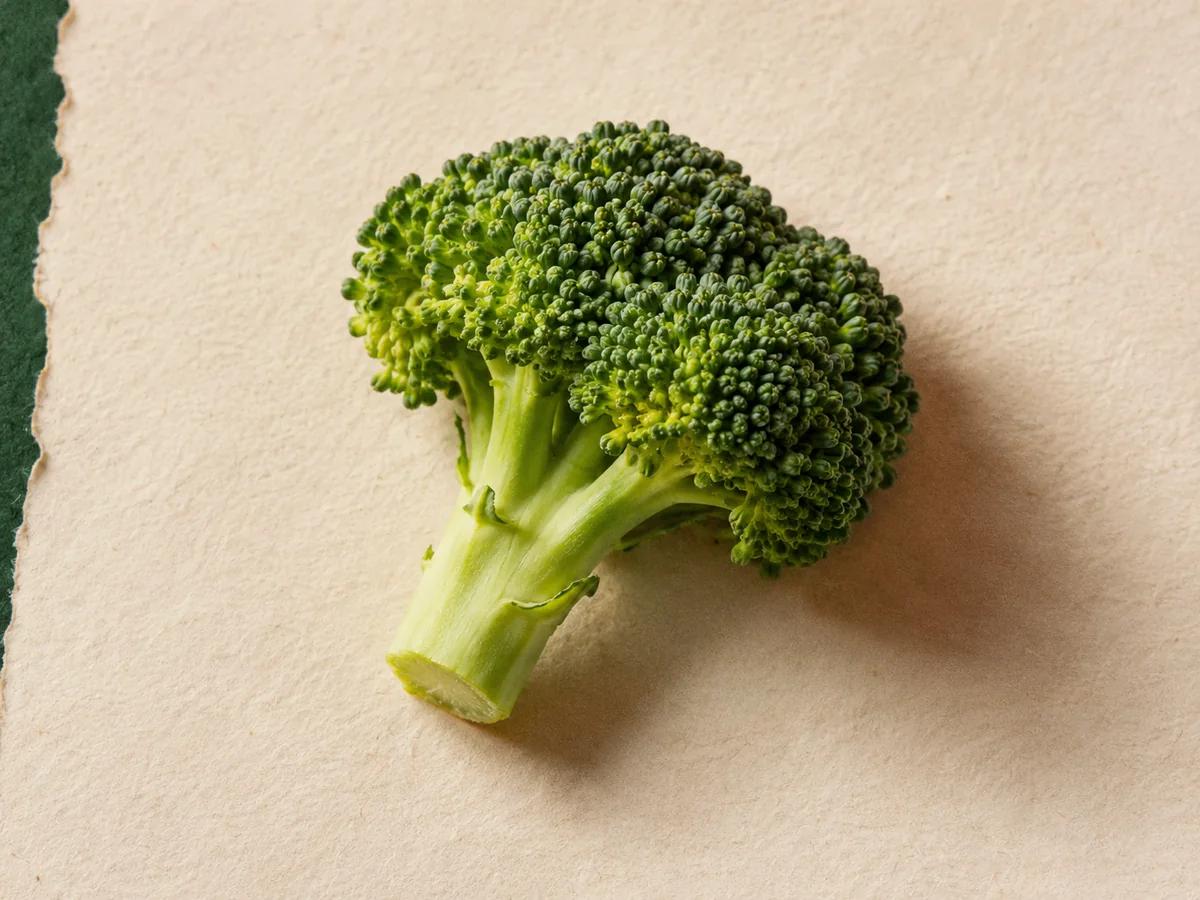
Sulforaphane is formed from glucoraphanin in broccoli through enzyme activity. Concentrated broccoli preparations have produced glucose signals in selected human studies. In the 2025 prediabetes trial, the average reduction fell short of the prespecified effect target. Differences in conversion and preparation make a product's actual exposure important when interpreting its claims.3, 1, 2
- The 2025 prediabetes study randomized 89 adults, with 74 completing full clinical follow-up.1
- Its average fasting-glucose difference was about 0.2 mmol/L, below the prespecified 0.3 mmol/L target.1
- A 16-person crossover study found higher sulforaphane conversion with added mustard-seed myrosinase, measured through urinary metabolites.3
What is Sulforaphane?
Glucoraphanin is a precursor, and myrosinase helps convert it into sulforaphane. Plants and some gut microbes supply relevant enzyme activity. A broccoli extract's precursor content, active-compound yield and enzyme preparation therefore describe different aspects of the ingredient.3, 1
Where it comes from
Natural sources
- Broccoli contains glucoraphanin, which can yield sulforaphane through myrosinase activity.
How it's made
Studies use specified seed or sprout extracts with measured precursor content, sulforaphane yield or added enzyme.
What it does in products
Benefits
A limited glucose signal in selected populations
limited evidenceTrial endpoints and the metabolic population affect the interpretation.2, 1
The 2017 report described improvement in obese patients with dysregulated type 2 diabetes. In the later prediabetes trial, a small fasting-glucose difference had P = 0.04 but missed its prespecified magnitude. Subgroup findings were exploratory. Durable diabetes prevention remains unresolved.
Evidence scope and limitations
Selected oral broccoli preparations, glucose outcomes and a single-dose conversion study.
- The 2017 trial and 2026 conversion study were checked through original abstracts and accessible disclosures. Full text access was limited.
- The prediabetes trial's complete follow-up analysis included 74 people, and the prespecified effect size was missed. Some authors disclosed relevant patents and commercial relationships, and industry co-financed the study.
- The conversion study included commercial affiliations. Urinary metabolites and mechanistic cell or animal findings leave long-term clinical benefit unresolved.
Evidence last checked: 2026-11-16
Side effects & safety
Safety considerations
- FDA recommends professional consultation before taking supplements. Discuss the exact broccoli extract, enzyme source and existing glucose-management medicines with the treating team.
Amounts studied & product use
These figures describe research or common product use, not a personal dose or treatment recommendation.
In broccoli-extract research
The prediabetes trial used a measured sprout preparation delivering 150 micromoles of sulforaphane once daily for 12 weeks. The conversion experiment used single doses of precursor-rich seed extract with or without mustard-seed enzyme, both with ascorbic acid. These protocols leave a universal capsule amount or kitchen-broccoli equivalent unestablished.
Regulatory status
- A U.S. dietary supplement follows the supplement framework, with manufacturers responsible for safety and lawful claims. FDA generally provides no premarket efficacy approval for such products. A preparation's identity and any new dietary ingredient obligations still matter.
Read conversion results alongside the clinical endpoint
In the 2026 single-dose study, urinary-metabolite estimates averaged 39.8% conversion with mustard enzyme and 18.6% without it. That establishes a preparation-dependent exposure difference. A treatment effect on symptoms or disease still requires clinical testing.
The earlier diabetes paper combines cell, animal and human work. Its human glucose finding has a narrower population scope than its mechanistic experiments. The prediabetes study's later subgroup analyses also need confirmation before they can guide clinical selection.
3, 2, 1Frequently asked questions
Does a glucoraphanin amount specify how much sulforaphane reaches the body?
Conversion varies with enzyme activity and the preparation. The 16-person experiment measured substantially different metabolite recovery from two precursor preparations. Its result supports checking how yield was measured for the actual formulation.3
The bottom line
Tie sulforaphane claims to the measured preparation, conversion method and actual clinical endpoint.
References
- Dwibedi C, Axelsson AS, Abrahamsson B, et al.. Effect of broccoli sprout extract and baseline gut microbiota on fasting blood glucose in prediabetes: a randomized, placebo-controlled trial. Nature Microbiology (2025) · randomized trial · PMID 39929977; DOI 10.1038/s41564-025-01932-w; NCT03763240; March 2025, 10:681–693, online February 10; full primary outcome, preparation, attrition and competing-interest statements checked
- Axelsson AS, Tubbs E, Mecham B, et al.. Sulforaphane reduces hepatic glucose production and improves glucose control in patients with type 2 diabetes. Science Translational Medicine (2017) · randomized trial · PMID 28615356; DOI 10.1126/scitranslmed.aah4477; NCT02801448; June 14, 2017, 9(394):eaah4477; original abstract checked, full text unavailable
- Mastaloudis A, Holcomb L, Fahey JW, et al.. Exogenous myrosinase from mustard seed increases bioavailability of sulforaphane from a glucoraphanin-rich broccoli seed extract in a randomized clinical study. Scientific Reports (2026) · randomized trial · PMID 41692762; DOI 10.1038/s41598-026-39389-4; February 15, 2026, 16:9162; indexed original abstract and commercial affiliations checked, full text access limited
- Questions and Answers on Dietary Supplements. U.S. Food and Drug Administration · government guidance · Undated current agency guidance checked November 16, 2026 for premarket review, manufacturer responsibility and professional consultation
Revision history
- Initial AI-assisted source compilation with claim-level citations, formulation distinctions and explicit evidence limitations; not independent medical review.