Phytic Acid
Also known as: Inositol hexaphosphate, IP6, Phytate, Sodium phytate
A grain-associated compound with dietary iron-binding effects and distinct cosmetic chelation uses, including its phytate salts.
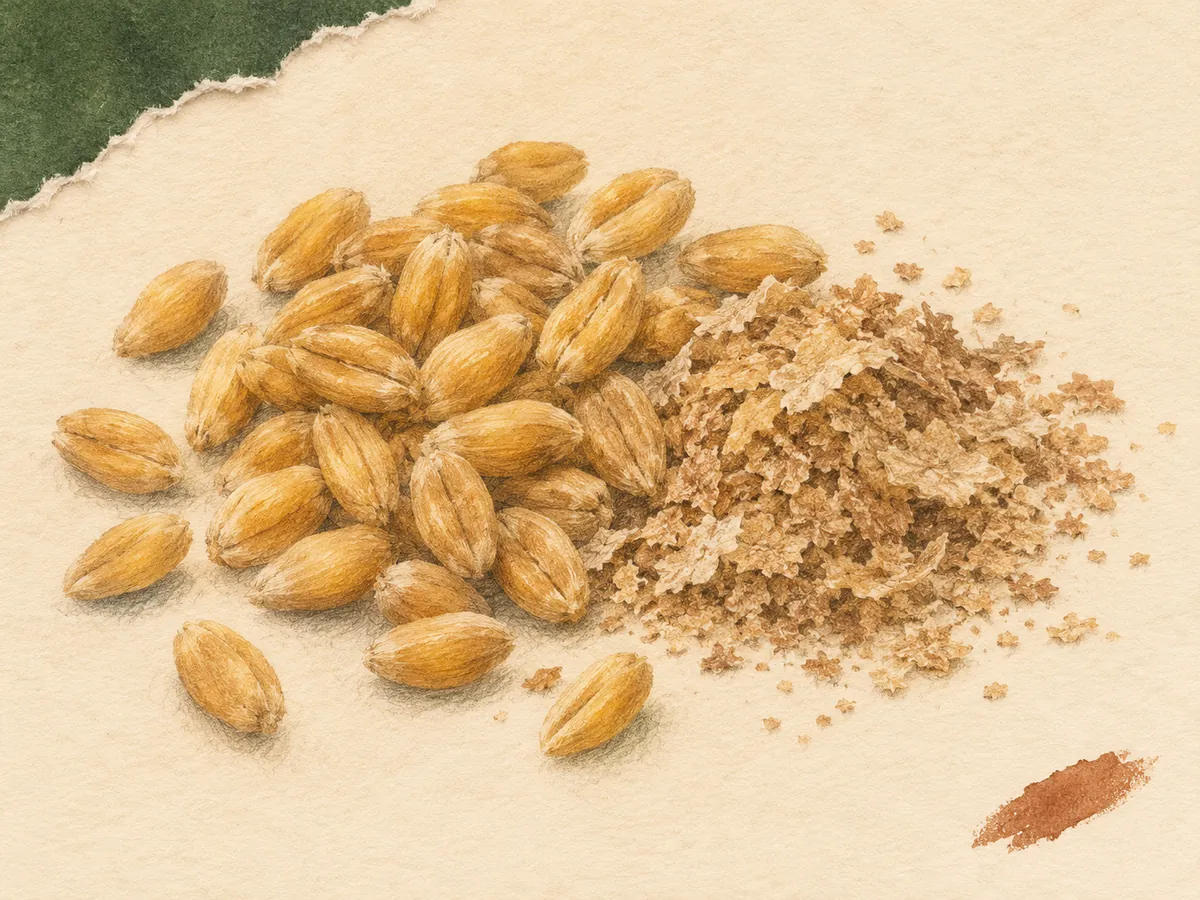
Phytic acid and its phytate salts occur in plant foods and have cosmetic formulation uses. Dietary phytate can reduce nonheme iron absorption, with the effect shaped by the whole meal. The final CIR assessment supports specified cosmetic uses of phytic acid and sodium phytate. Evidence for a standalone skin-treatment benefit remains insufficient in the sources assessed here.1, 3, 2
- NIH identifies phytate in grains and beans as an inhibitor of nonheme iron absorption.1
- An adult meal experiment found that degrading phytate improved iron absorption from several cereal porridges, with important milk and tannin exceptions.2
- CIR's 2024 final assessment found phytic acid and sodium phytate safe under the cosmetic uses and concentrations described.3
What is Phytic Acid?
Phytic acid is also called inositol hexaphosphate or IP6. Cosmetic ingredient lists may name its sodium salt separately. This guide keeps the parent compound and related phytate forms together while retaining the form and exposure used in each source.3, 1
Where it comes from
Natural sources
- Phytate is present in grains and beans.
How it's made
Cosmetic preparations can use purified phytic acid or a named phytate salt.
What it does in products
Benefits
Skin-treatment claims need direct clinical support
insufficient evidenceA technical ingredient role leaves treatment effectiveness unresolved.3
CIR assessed cosmetic safety and described chelation and formulation uses. That assessment alone leaves independent pigment-treatment efficacy unestablished. Multi-acid peel descriptions also leave phytic acid's individual contribution uncertain.
Evidence scope and limitations
Dietary nonheme iron absorption and selected cosmetic uses of phytic acid and phytate salts.
- The adult meal experiment was checked through its original indexed abstract, with full text unavailable. It measures absorption after test meals.
- CIR is a final published safety assessment sponsored by the Cosmetic Ingredient Review, financially supported by the Personal Care Products Council. It is not a standalone efficacy trial.
- The named salts and parent acid have form-specific evidence. Supplement disease-treatment claims and high-strength peel protocols are outside this guide's assessment.
Evidence last checked: 2026-11-14
Side effects & safety
Safety considerations
- Dietary phytate can influence nonheme iron absorption. People with iron deficiency need their whole diet and treatment assessed in context.
Amounts studied & product use
These figures describe research or common product use, not a personal dose or treatment recommendation.
Across food and cosmetic research
CIR reported phytic acid concentrations up to 2% in certain leave-on products in a 2016–2017 industry survey. This describes reported use. The food experiment instead altered phytate during cereal processing and measured iron absorption after test meals. Neither source establishes a personal oral intake or home-peel protocol.
Regulatory status
- FDA determines cosmetic and drug status by intended use and claims. Claims to treat disease or affect body structure or function bring drug requirements into consideration. CIR provides a cosmetic safety assessment within that broader regulatory context.
- INCI name on cosmetic labels: Phytic Acid / Sodium Phytate.
- Safe in the present cosmetic practices and concentrations described in the final 2024 assessment.
A meal result has a limited reach
The porridge experiment measured iron absorption in adults after specially prepared meals. Removing phytate improved absorption from several water-based cereals, while milk and high-tannin sorghum changed the response. Food preparation and the meal's other constituents materially affected the result.
The experiment addresses an absorption mechanism. It leaves long-term iron status and the health effects of removing whole food groups unresolved. NIH's whole-diet discussion gives that narrow meal result a broader nutritional context.
2, 1Frequently asked questions
The bottom line
Keep dietary absorption findings, named phytate forms and finished cosmetic formulations tied to their own evidence.
References
- Iron — Health Professional Fact Sheet. NIH Office of Dietary Supplements · government guidance · Current agency resource checked November 14, 2026 for dietary phytate, nonheme absorption and whole-diet context; access date is not publication date
- Hurrell RF, Reddy MB, Juillerat MA, Cook JD. Degradation of phytic acid in cereal porridges improves iron absorption by human subjects. The American Journal of Clinical Nutrition (2003) · primary study · PMID 12716674; DOI 10.1093/ajcn/77.5.1213; 77(5):1213–1219; indexed original abstract checked, adult radioiron meal study, full text unavailable
- Johnson W Jr, Bergfeld WF, Belsito DV, et al.. Safety Assessment of Polyol Phosphates as Used in Cosmetics. International Journal of Toxicology (2024) · safety assessment · DOI 10.1177/10915818241259699; 43(Suppl 4):78S–107S; final published assessment, concentration survey, conclusion and PCPC financial support checked
- Is It a Cosmetic, a Drug, or Both? (Or Is It Soap?). U.S. Food and Drug Administration · government guidance · Current intended-use and claims framework checked November 14, 2026; source publication year not assigned
Revision history
- Initial AI-assisted source compilation with claim-level citations, formulation distinctions and explicit evidence limitations; not independent medical review.