L-Proline
Also known as: Proline
A collagen-building amino acid whose biological importance does not establish a benefit from extra standalone supplements.
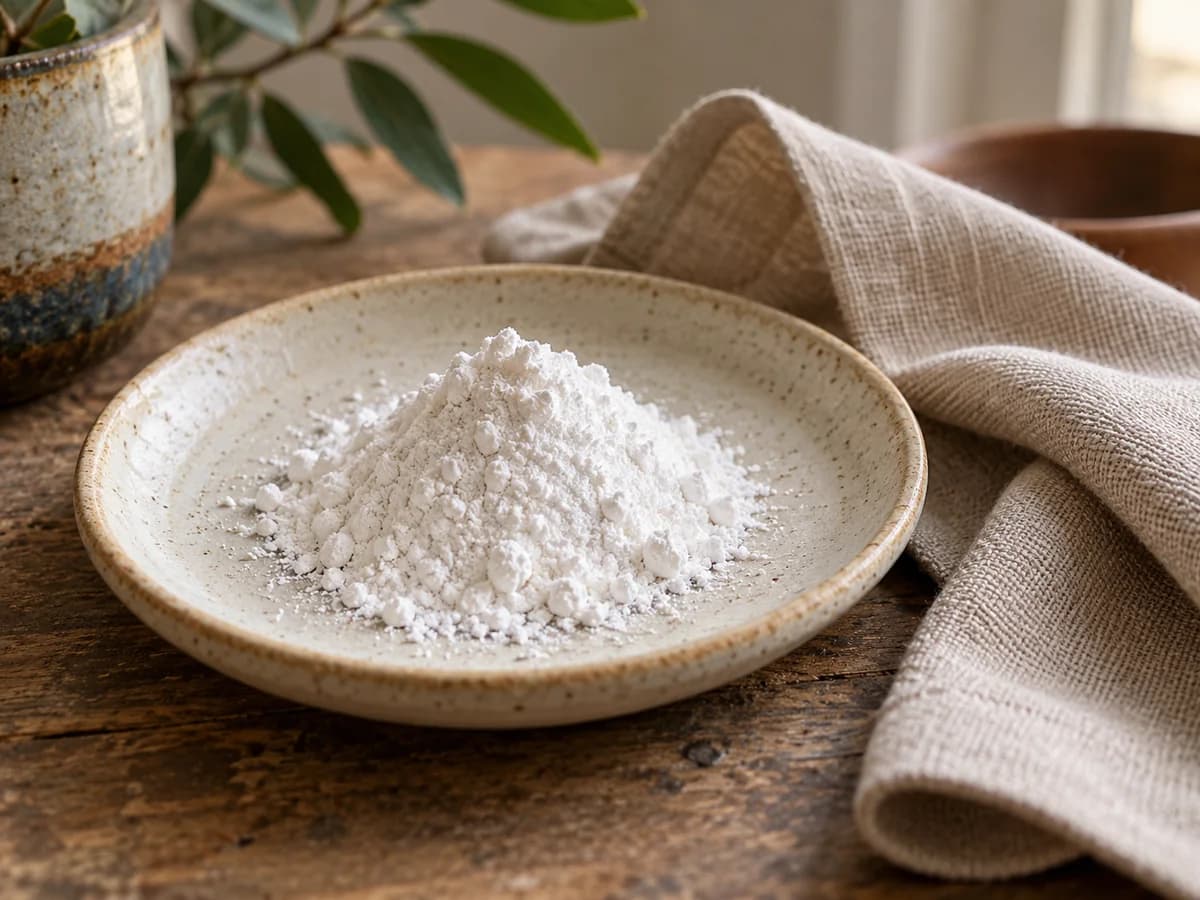
L-proline is an amino acid used to make proteins, including collagen. Humans can synthesize it, and protein foods also supply it. Its role in tissue biology is established, but that does not prove that adding an isolated L-proline supplement improves wrinkles, joints or wound healing in a well-nourished adult.1, 2
- An amino acid, not a vitamin or a collagen peptide.2
- People can make proline from other metabolic precursors.2
- Animal feeding results are not an adult human supplement dose.2, 1
What is L-Proline?
Proline's shape helps give proteins their structure. In collagen, some proline residues are converted to hydroxyproline after the protein is made. That biochemical step is different from swallowing hydroxyproline or a bottle labeled collagen support. The nutritional question is whether a particular person is limited by proline availability, not simply whether collagen contains proline.2
Where it comes from
Natural sources
- Collagen-rich animal proteins and other dietary proteins
- Human amino-acid metabolism
How it's made
Commercial isolated L-proline is manufactured and purified, including through fermentation processes.
What it does in products
Benefits
Collagen-support supplement claims
insufficient evidenceProline is required for collagen synthesis, but the evidence reviewed does not establish a standalone supplement benefit for healthy adults.1, 2
The cited reviews discuss metabolism, animal studies and nutritional barriers to wound healing. They do not supply a replicated clinical trial of isolated L-proline for skin aging.
Evidence scope and limitations
Isolated oral L-proline, human collagen metabolism and limits of nutritional wound-healing research; not collagen-peptide efficacy.
- Much of the mechanistic evidence comes from animal models.
- No established dose-response or long-term safety threshold for healthy-adult beauty supplementation was identified in these sources.
Evidence last checked: 2026-10-01
Side effects & safety
Safety considerations
- Safety of concentrated standalone supplements during pregnancy or breastfeeding is not established by these reviews.
- A lack of documented interactions in these sources is not proof of compatibility with every medicine.
- Not for: Amino-acid supplementation in kidney disease or a metabolic disorder needs a clinician's assessment rather than a generic collagen protocol.
Amounts studied & product use
These figures describe research or common product use, not a personal dose or treatment recommendation.
In supplement studies and products
No clinically established standalone dose for skin or joint benefits emerges from the cited reviews. Percentages tested in animal diets cannot be translated into a human gram dose.
Regulatory status
- Sold as a dietary supplement ingredient in the U.S.; supplement marketing does not establish FDA approval to heal wounds or treat joint disease.
Why more building material may not mean more collagen
Collagen production also depends on energy intake, other amino acids, oxygen, enzymes and the state of the wound or tissue. Intestinal and liver metabolism can change how much of an oral amino acid reaches the intended site. A biochemical pathway is therefore a rationale for research, not a clinical result.
Evidence about complete nutritional formulas or collagen peptides should stay attached to those interventions. It cannot be transferred to isolated proline merely because proline appears in their ingredient lists.
1, 2Frequently asked questions
Is L-proline the same as collagen?
No. L-proline is one amino acid; collagen is a large protein and collagen peptides are mixtures of shorter protein fragments. A trial of one does not establish the effect of the other.1
Does nonessential mean unimportant?
No. It means the body can synthesize the amino acid, not that the molecule is dispensable. Extra supplementation still requires a separate clinical justification.2
The bottom line
Separate an essential biological role from a proven supplement benefit. The reviewed evidence does not justify a universal standalone proline dose.
References
- Albaugh VL, Mukherjee K, Barbul A. Proline Precursors and Collagen Synthesis: Biochemical Challenges of Nutrient Supplementation and Wound Healing. The Journal of Nutrition (2017) · other · PMID 28978679; DOI 10.3945/jn.117.256404
- Wu G, Bazer FW, Burghardt RC et al.. Proline and hydroxyproline metabolism: implications for animal and human nutrition. Amino Acids (2011) · other · PMID 20697752; DOI 10.1007/s00726-010-0715-z
- Dietary Supplements. U.S. Food and Drug Administration · government guidance · Undated live resource; accessed October 1, 2026
Revision history
- Initial AI-assisted evidence compilation with source-linked claims, formulation distinctions and explicit research limitations; not independent medical review.