L-Ornithine
Also known as: Ornithine, L-Ornithine hydrochloride, Ornithine HCl
A non-protein amino acid in the urea cycle, marketed for fatigue and recovery on limited human evidence.
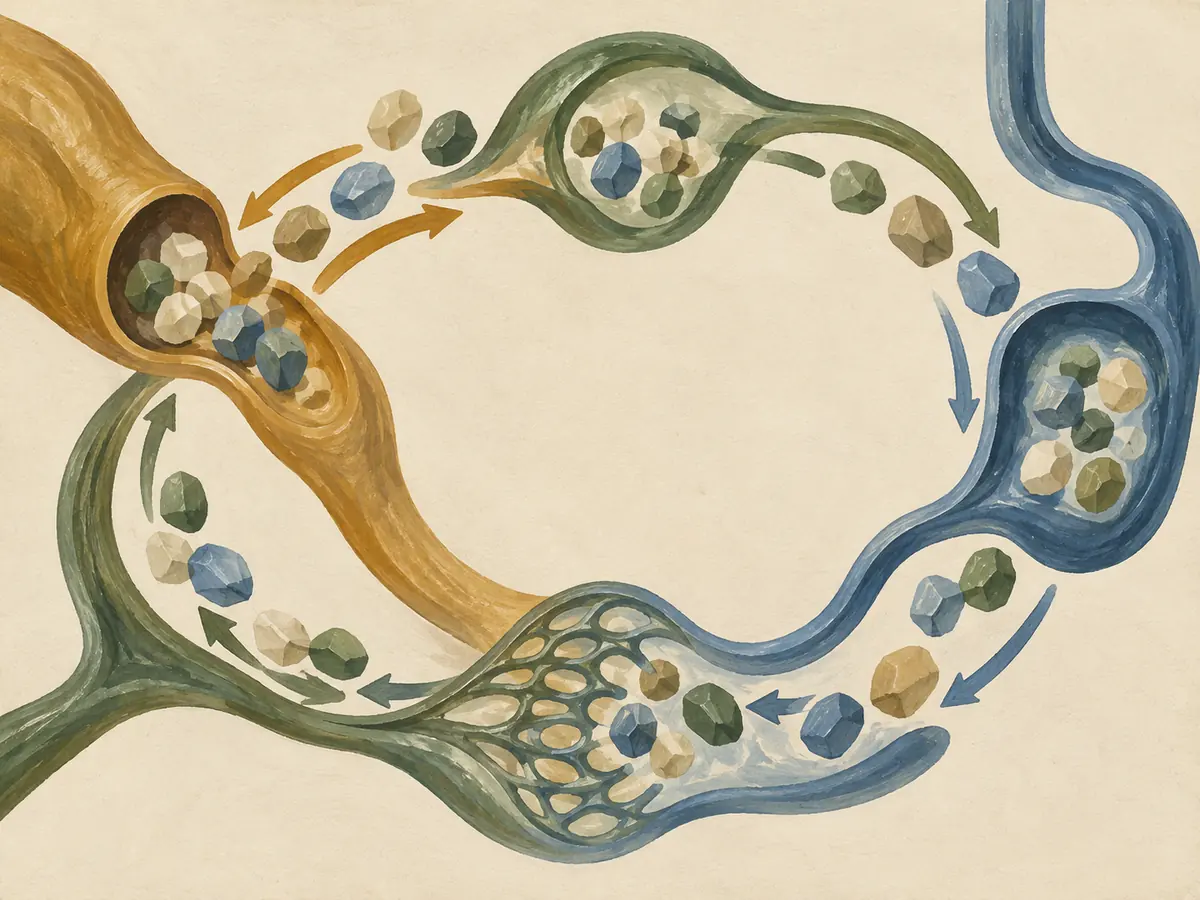
L-ornithine is an amino acid the body uses in the urea cycle to help dispose of nitrogen. It is sold for exercise recovery, fatigue, sleep, and liver support, but human trials are small and product-specific. It should not be used to self-treat high ammonia or serious liver disease.1, 2
- Participates in the urea cycle1
- Not one of the amino acids built into proteins1
- Supplement claims exceed the size of the clinical evidence1
- Medical hyperammonemia requires supervised treatment1
What is L-Ornithine?
Ornithine is produced when arginine is split by arginase. Supplements provide it as the free amino acid or a salt, sometimes paired with aspartate or alpha-ketoglutarate—distinct interventions that should not be conflated.1
Where it comes from
Natural sources
- Produced in human amino-acid metabolism
- Present in small amounts in some foods
How it's made
Commercial L-ornithine is commonly made by controlled fermentation and purified as a free amino acid or hydrochloride salt.
What it does in products
Benefits
Stress and fatigue symptoms
limited evidenceOne small randomized trial reported changes in perceived stress and sleep-related measures in healthy workers.2
The sample and outcome set were modest and do not establish a general anti-fatigue treatment.
Athletic recovery or performance
insufficient evidenceEvidence is insufficient to conclude that ornithine reliably improves performance or recovery.2
Products and protocols vary, and mechanistic urea-cycle reasoning is not a performance outcome.
Evidence scope and limitations
Oral L-ornithine supplements in generally healthy adults are separated from prescription combination products and treatment of hyperammonemia.
- Trials are small and use subjective outcomes.
- Different ornithine salts and combinations are not interchangeable.
Evidence last checked: 2026-09-28
Side effects & safety
Safety considerations
- Avoid supplemental doses during pregnancy and breastfeeding unless prescribed because safety data are limited.
- Therapies for liver disease or ammonia disorders
- Not for: Using supplements instead of urgent care for confusion or suspected hyperammonemia
- Not for: Known urea-cycle disorder without specialist guidance
Amounts studied & product use
These figures describe research or common product use, not a personal dose or treatment recommendation.
In supplement studies and products
Small studies have used gram-range daily doses, often around 2 g; this is a research range, not an individualized recommendation.
Regulatory status
- Sold as a dietary supplement; not FDA-approved to treat fatigue, sleep disorders, or liver disease.
Ornithine is not the same intervention as LOLA
L-ornithine L-aspartate is a specific medical formulation studied in hepatic encephalopathy. Evidence for that combination cannot be assigned to ordinary L-ornithine capsules.
1, 2Frequently asked questions
The bottom line
Ornithine has a real biochemical role, while consumer fatigue, sleep, and performance claims remain supported by limited human research.
References
- L-Ornithine: compound summary. PubChem, National Library of Medicine (2026) · ingredient monograph · CID 6262
- Randomised controlled trial of the effects of L-ornithine on stress markers and sleep quality in healthy workers. Nutrition Journal (2014) · randomized trial · PMID 24889392
- Dietary Supplements. U.S. Food and Drug Administration (2025) · government guidance
Revision history
- Initial publication with claim-level citations, formulation limits, safety context, and editorial evidence review.