Fucoidan
Also known as: Fucoidans
Brown-seaweed polysaccharides with extract-specific food specifications and inconsistent human metabolic and immune findings.
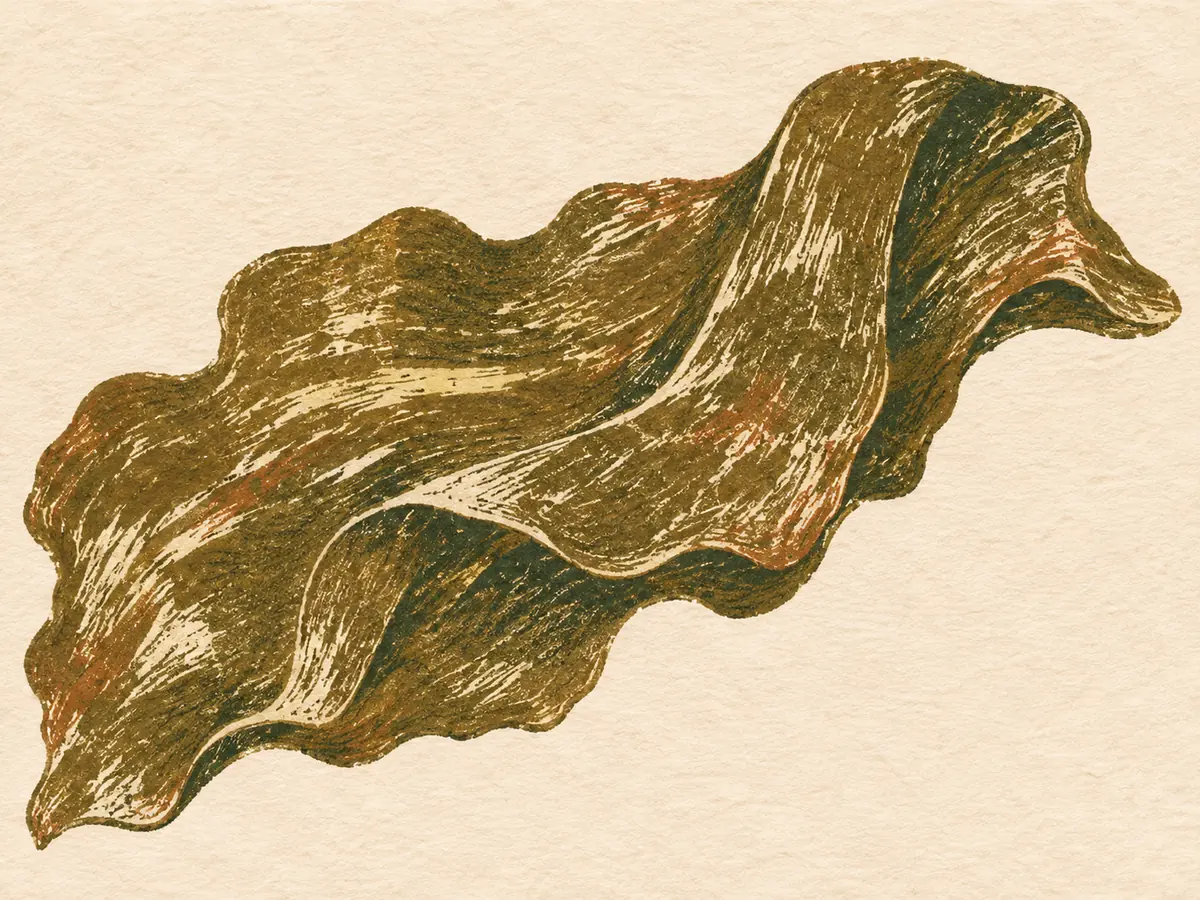
Fucoidan describes sulfated, fucose-rich polysaccharides extracted from brown seaweeds. Human studies report selected metabolic or immune-marker changes, with inconsistent replication. A 2026 systematic review judged clinical efficacy uncertain. Source species, purity and the tested extract matter, and a food-safety response has a defined scope of use.1, 4, 2
- A 70-person Chinese prediabetes trial used 1,000 mg/day for 12 weeks and reported selected biomarker and microbiome changes.2
- A 20-person resistance-training trial found no significant additional back-squat strength effect from its fucoidan blend.3
- FDA's GRN 000661 response concerns a specified concentrate at up to 30 mg per serving in named food categories.4
What is Fucoidan?
Fucoidans vary across seaweed sources and preparations. FDA's GRN 000661 response describes one Fucus vesiculosus concentrate, including its manufacture and specifications. A clinical study using another extract or a blend needs its own preparation details.4, 1
Where it comes from
Natural sources
- Brown seaweeds are sources of these sulfated polysaccharides.
How it's made
The specified Fucus concentrate is extracted, filtered, dried and milled, with purity and contaminant specifications.
What it does in products
Benefits
Preliminary metabolic and inflammatory-marker findings
limited evidenceLaboratory changes supply a narrow human signal.2, 1
The prediabetes trial reported a smaller rise in glycated serum protein and reductions in selected inflammatory markers versus placebo. Its 12-week design leaves diabetes prevention unresolved. The 2026 review found five heterogeneous studies within its scope and inconsistent replication, preventing a pooled efficacy conclusion.
Evidence scope and limitations
Selected oral fucoidan trials, a 2026 human anti-inflammatory review and a source-specific FDA food response.
- The metabolic trial and 2026 review were checked through their original indexed abstracts because full texts were unavailable. Detailed molecular characterization could not be independently compared across every preparation.
- The training paper's full results distinguish within-group changes from treatment and interaction effects. Its small sample leaves effect estimates unstable.
- The five-study review covers its own selected inflammatory and related clinical outcomes. Cancer-treatment efficacy, pregnancy use and a complete interaction profile remain outside the conclusions supported here.
Evidence last checked: 2026-11-16
Side effects & safety
Safety considerations
- The cited evidence does not define a comprehensive medication-interaction profile. FDA recommends professional consultation before supplement use, with the exact extract and other medicines available for review.
Amounts studied & product use
These figures describe research or common product use, not a personal dose or treatment recommendation.
In separate human extract trials
The prediabetes trial tested 1 g/day for 12 weeks. The training trial tested 1 g/day of a fucoidan blend for six weeks alongside resistance exercise. These are preparation-specific research amounts. The FDA food response instead describes up to 30 mg per serving in named categories.
Regulatory status
- In 2017 FDA raised no questions about the notifier's GRAS conclusion for the specified Fucus vesiculosus concentrate under its intended food uses. The letter retains manufacturer responsibility and a defined scope. U.S. supplement efficacy claims have their own regulatory requirements.
A within-group gain needs a between-group comparison
Both groups in the training trial improved their squat strength, with no significant fucoidan treatment effect. Some power and lean-mass findings came from improvements within the fucoidan group, while their treatment or interaction tests were nonsignificant. Body-fat percentage did show an interaction signal.
These mixed results leave an established muscle-building benefit unresolved. The small sample, six-week exposure and differing endpoints matter when interpreting the abstract's favorable wording.
3Frequently asked questions
The bottom line
Read fucoidan through the source species, concentrate specification and replicated human outcome.
References
- Anari ES, Wang T, Fang Z, Zhang P, Celentano A. Fucoidan as an anti-inflammatory and immunomodulatory agent in humans: a systematic review of clinical evidence and translational potential. Food & Function (2026) · systematic review · PMID 42806726; DOI 10.1039/d6fo01559j; November 2, 2026, 17(21):9389–9400; indexed original abstract checked, full text unavailable
- Liu Y, Xu Z, Zhang D, et al.. Effect of fucoidan supplementation on glycolipid metabolism, systemic inflammation and gut microbiota in prediabetes: A randomized controlled trial. International Journal of Biological Macromolecules (2025) · randomized trial · PMID 39645105; DOI 10.1016/j.ijbiomac.2024.138415; January 2025, 287:138415, online December 5, 2024; original abstract checked, full text unavailable
- Cousins SD, Kucewicz STC, Wundersitz DWT, et al.. Investigating fucoidan blend supplementation and resistance training in humans: a parallel randomized controlled trial design. Scientific Reports (2025) · randomized trial · PMID 41249370; DOI 10.1038/s41598-025-24066-9; November 17, 2025, 15:40249; full abstract and results checked, including between-group versus within-group analyses
- GRAS Notice GRN 000661 — Agency response for fucoidan concentrate from Fucus vesiculosus. U.S. Food and Drug Administration (2017) · government guidance · GRN 000661; February 10, 2017; specified source, manufacture, purity/contaminant specifications, intended food uses and agency-response scope checked
- Questions and Answers on Dietary Supplements. U.S. Food and Drug Administration · government guidance · Undated current agency guidance checked November 16, 2026 for premarket review, manufacturer responsibility and professional consultation
Revision history
- Initial AI-assisted source compilation with claim-level citations, formulation distinctions and explicit evidence limitations; not independent medical review.