Citric Acid
Also known as: Anhydrous citric acid, Citric acid monohydrate
A food acid and cosmetic pH/chelation ingredient whose role, finished formulation and small topical studies need separate interpretation.
Citric acid occurs in foods and is used in cosmetic formulations for pH adjustment and chelation. CIR's final assessment supports the described cosmetic uses. A small topical study found biopsy changes after a high-concentration lotion, leaving broad visible anti-aging benefits uncertain. The finished product's purpose, concentration and pH remain essential context.3, 1, 2, 4
- The 2014 final CIR report assessed citric acid together with specified salts and esters under the cosmetic practices described.1
- The 1997 lotion study compared treated skin with vehicle-treated skin and took biopsies after three months.2
- FDA explains that AHA product action depends on acid type, concentration, pH and the other formulation ingredients.4
What is Citric Acid?
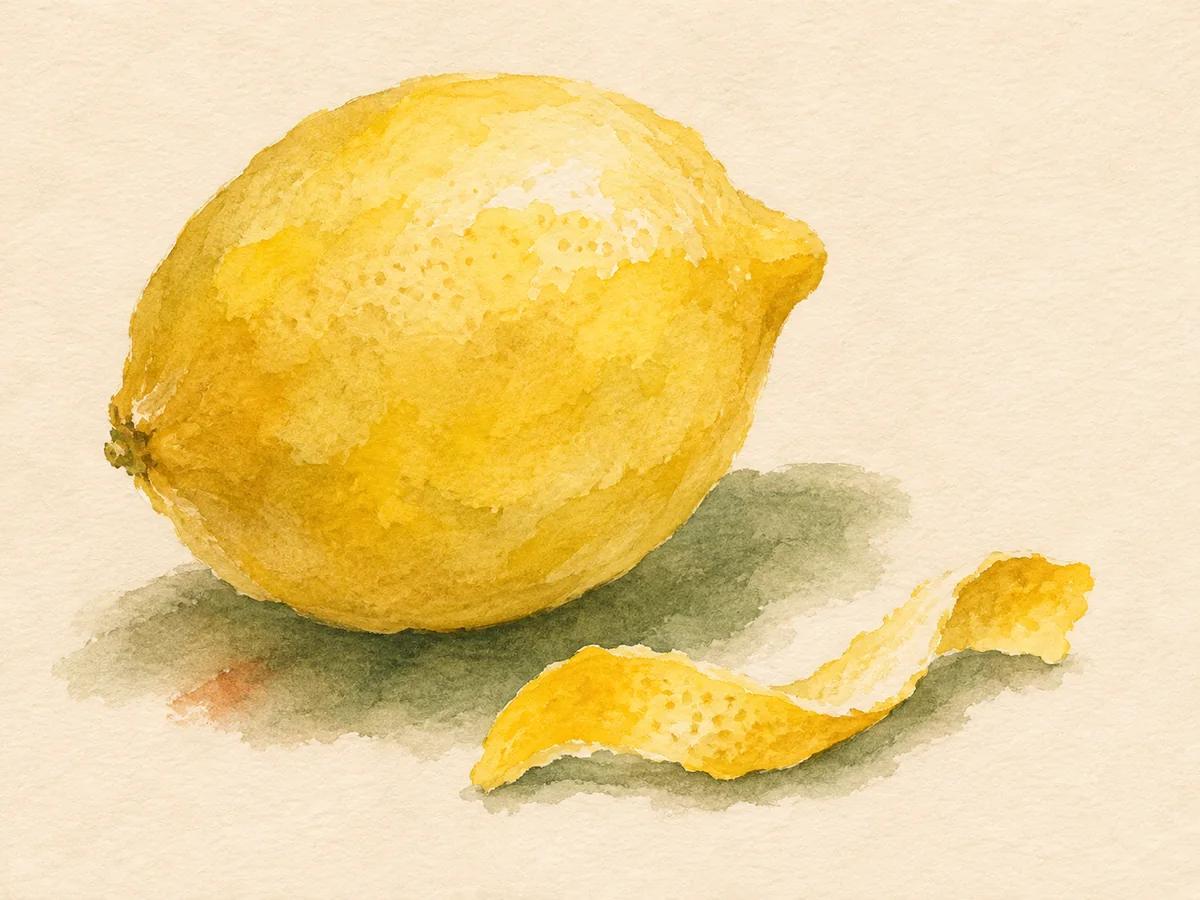
Food specifications describe citric acid as anhydrous material or a monohydrate. It can be recovered from sources such as lemon juice or made through defined fermentation processes. A familiar food source and a purified ingredient have different formulation and exposure contexts.3, 1
Where it comes from
Natural sources
- A naturally occurring constituent of plant and animal tissues, with lemon and pineapple juice listed as recovery sources.
How it's made
Food specifications also describe defined fungal-fermentation and recovery processes.
What it does in products
Benefits
Limited evidence for topical skin changes
limited evidenceThe directly cited experiment assessed tissue measurements.2, 1
The 1997 study used a 20% citric-acid lotion for three months and found increased viable epidermal thickness and glycosaminoglycans in biopsies. The final CIR report describes six female participants. This small tissue study leaves the size and durability of visible cosmetic improvement uncertain.
Evidence scope and limitations
Specified cosmetic and food uses, a small high-concentration topical experiment and FDA's class-level AHA guidance.
- The 1997 primary paper was checked through its original abstract. Its six-person sample is described in CIR's final report. Biopsy endpoints leave visible benefit and durability uncertain.
- CIR's final published report was sponsored by CIR, which is financially supported by the Personal Care Products Council. Its conclusion concerns safety under described practices.
- FDA's broader AHA advice is a formulation and labeling framework. It supplies no individual citric-acid risk percentage or home-formulation recipe.
Evidence last checked: 2026-11-16
Side effects & safety
Safety considerations
- FDA advises following finished-product directions and sun-protection warnings for AHA products. The warning context depends on the actual product and intended use.
Amounts studied & product use
These figures describe research or common product use, not a personal dose or treatment recommendation.
In cosmetic use reports and a small skin study
CIR reported citric acid use up to 4% in leave-on cosmetics in its assessed practices. The older clinical experiment used a 20% lotion for three months. These describe different evidence contexts. FDA emphasizes that pH and other formulation ingredients also determine AHA action.
Regulatory status
- 21 CFR 184.1033 permits citric acid food use subject to current good manufacturing practice and identity/purity specifications. FDA evaluates therapeutic skin claims under drug requirements. Cosmetic pH adjustment and a disease-treatment claim have different intended-use implications.
- INCI name on cosmetic labels: Citric Acid.
- Safe in the present cosmetic practices and concentrations described in the final 2014 assessment.
Read the purpose and the final pH
An acid on an ingredient list can serve formulation pH adjustment. FDA's AHA discussion also describes exfoliating products whose activity depends on concentration, pH and the whole formula. An ingredient name alone leaves that finished-product behavior incompletely specified.
CIR considered citric acid's chemistry separately from the glycolic/lactic-acid assessment. Transferring another acid's concentration rule or a small biopsy result to every citric-acid product would exceed the evidence. The relevant product's directions and warning statements retain importance.
4, 1, 2Frequently asked questions
Does the monohydrate name mean a different plant extract?
The food specification describes citric acid with or without one molecule of water per acid molecule. The form name identifies hydration state. Manufacture can involve recovery from juice or fermentation, so that name alone leaves the source unresolved.3
The bottom line
Interpret citric acid through the finished product's role, route and formulation, with clinical claims tied to measured outcomes.
References
- Fiume MM, Heldreth BA, Bergfeld WF, et al.. Safety Assessment of Citric Acid, Inorganic Citrate Salts, and Alkyl Citrate Esters as Used in Cosmetics. International Journal of Toxicology (2014) · safety assessment · PMID 24861367; DOI 10.1177/1091581814526891; May 2014, 33(2 Suppl):16S–46S; final published safety conclusion, tested formulations and discussion checked
- Bernstein EF, Underhill CB, Lakkakorpi J, et al.. Citric acid increases viable epidermal thickness and glycosaminoglycan content of sun-damaged skin. Dermatologic Surgery (1997) · primary study · PMID 9256916; DOI 10.1111/j.1524-4725.1997.tb00391.x; August 1997, 23(8):689–694; original abstract checked, full text unavailable; six-person sample described in the final CIR assessment
- 21 CFR 184.1033 — Citric acid. U.S. Food and Drug Administration / eCFR · government guidance · Current food regulation checked November 16, 2026 for anhydrous/monohydrate identity, food sources, manufacturing routes and current good manufacturing practice condition
- Alpha Hydroxy Acids. U.S. Food and Drug Administration · government guidance · Undated current agency resource checked November 16, 2026 for formulation-dependent action, therapeutic-claim classification and class-level sun-protection labeling
Revision history
- Initial AI-assisted source compilation with claim-level citations, formulation distinctions and explicit evidence limitations; not independent medical review.